 By Ethan Brooks
Updated November 2026
The shokz openmove wireless bone conduction headphones are built for people who want to hear music, calls, or prompts without sealing their ears. Shokz (formerly AfterShokz) sends sound through the cheekbones rather than through the ear canal, so your ears stay open to traffic, training partners, and the sounds around you. This review is based on manufacturer specifications and patterns in owner feedback rather than hands-on testing. It is a good fit for runners, cyclists, and anyone who needs situational awareness. It is a weaker choice for listeners who want deep bass, strong noise isolation, or a pair that fits all day in an office.

Aftershokz OpenMove (Rebranded as Shokz OpenMove) Wireless Bone Conduction Open-Ear Bluetooth Headphones Includes Pack
Product Overview
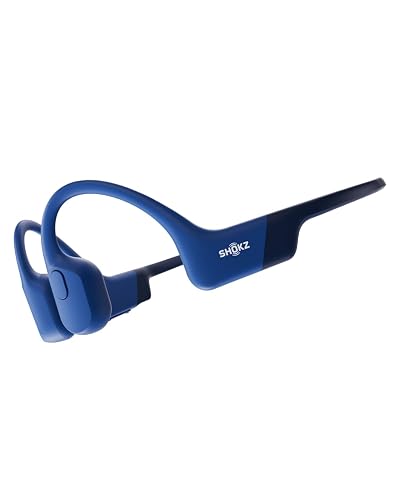
The OpenMove is Shokz’s entry-level open-ear sport model. The listing for this product (ASIN B08BZF5W7N) is titled as an Aftershokz OpenMove, rebranded as Shokz OpenMove, and includes a pack of accessories. The design follows the same core idea as the rest of the Shokz lineup: a band or loop that rests behind the head, with two small transducer pads that sit just in front of the ears on the cheekbones. Because the pads transmit vibration rather than blocking the ear canal, the headphones are described as open-ear.
The product is aimed at casual and recreational athletes. Owners commonly describe it as a practical everyday pair for walking, jogging, and light gym sessions. Its appeal is less about audiophile fidelity and more about a comfortable, secure fit and the ability to keep environmental sound audible. Shokz positions the OpenMove as a more accessible option than its higher-end siblings, with a lighter feature set focused on the basics of wireless listening.
Because bone conduction works differently from conventional earbuds, the experience feels different from the first use. Many people need a short adjustment period to get used to the sensation of sound coming from the cheeks, and to find the position that gives the clearest output without discomfort.
Key Features & Specifications
The table below lists specifications that Shokz publishes or that are consistently associated with this model family. Where a figure varies by listing or firmware version, check the current product page before buying.
| Feature | What It Means for You |
|---|---|
| Design | Open-ear bone conduction with a rear band; sound travels through the cheekbones |
| Connectivity | Bluetooth wireless connection to phones and other compatible devices |
| Sweat resistance | Marketed as sweatproof for running and workouts |
| Ear canal | Left open; does not seal the ear, which keeps ambient sound audible |
| Accessories | Listing includes a pack of extras (commonly described as sticker and accessory items) |
| Charging | Rechargeable battery with a USB charging cable; check the listing for the exact runtime |
Shokz generally states battery life in hours of playback, and owners tend to report figures in a range that is adequate for typical workouts. Verify the stated runtime on the current listing, because battery claims can differ between regional versions and revisions.
Pros & Cons
Pros
- Open-ear design keeps traffic, announcements, and nearby people audible, which many runners and cyclists value for safety.
- Bone conduction avoids pressure inside the ear canal, so some owners find it more comfortable over longer sessions.
- Sweat-resistant construction suits training in humid conditions.
- Bluetooth pairing is straightforward for common phones and tablets.
- The rear-loop style tends to stay in place during movement for many users once positioned correctly.
Cons
- Bass response is thinner than in sealed in-ear or over-ear headphones, which is inherent to the technology.
- Open design leaks sound outward, so it is not ideal in quiet offices or shared spaces.
- Background noise is not blocked, so loud environments can mask quieter passages of music.
- Fit is individual; some owners need adjustment to find a position that sounds clear without pressing too hard on the cheeks.
- Battery life and feature depth are modest compared with more expensive models in the range.
Performance Analysis
Performance with bone conduction is best judged by use case rather than by a single fidelity score. Owners of open-ear sport headphones tend to focus on three things: clarity of voice and podcasts, how well the pair holds position during exercise, and how much the open design affects listening at higher volumes.
For spoken content such as podcasts, audiobooks, navigation prompts, and phone calls, bone conduction typically performs well because speech sits comfortably in the frequency range the technology reproduces. Music is more mixed. Midrange and vocals are usually clear, while low-end weight and fine detail are less pronounced than with a sealed design. Listeners who prioritize bass should set expectations accordingly.
Isolation is the defining trade-off. Because the ear canal is open, the OpenMove does not reduce outside noise. In a park or on a quiet road this is an advantage, since you hear what is around you. On a busy street, a train platform, or a loud gym floor, you may need to raise the volume, and that can make the sound leak to people nearby. Owners often recommend keeping volume moderate for this reason.
Stability during movement depends heavily on fit. Owners who report secure performance during running usually describe taking time to set the band and pads correctly. Those who report slippage often mention adjusting the band tension or re-seating the pads after the first few uses. Sweat resistance is a practical strength for training, though long immersion or heavy rain is outside the scope of a sweatproof rating.
Who Should Buy This Product?
The OpenMove suits a specific set of users well. It is a strong match for runners and walkers who want to keep their ears open for cars and cyclists, for commuters who cross busy streets, and for outdoor exercisers in parks and trails. It also works for people who use bone conduction for hearing-related reasons, since keeping the ear canal open can be more comfortable for some individuals. Consult an audiologist or healthcare professional if you have a specific hearing condition or ear health concern before relying on any listening device.
It is a weaker match for anyone who wants immersive music, strong bass, or silence in a noisy environment. Office workers, students in libraries, and people who listen for hours in a quiet room will likely find the sound leakage and thinner low end limiting. Buyers who want features like advanced noise cancellation or a long battery for travel should look at other categories entirely.
Buying Guide
Before buying any bone conduction headset, decide what you will mostly use it for. If safety and awareness come first, an open-ear design such as the OpenMove is a reasonable fit. If sound quality matters more, a sealed in-ear or over-ear model may serve you better. Check the current listing for battery runtime, charging method, and included accessories, and confirm the device will pair with your phone.
Fit is the next consideration. Look for user reports about head size and band adjustment, and plan to spend a few minutes positioning the pads before your first real workout. Because the pads press lightly on the cheekbones, sensitivity to pressure varies, so consider a trial period if the retailer offers one.
If the OpenMove is not quite right, consider these well-known alternatives:
- Shokz OpenMove with a different colorway or bundle (ASIN B09BVX8ZXF):

SHOKZ (AfterShokz OpenMove – Open-Ear Bluetooth Sport Headphones – Bone Conduction Wireless Earphones – Sweatproof for Running and Workouts, with Sticker Pack
View on Amazon. A listing variant of the same product family, useful if you want to compare included extras.
- Shokz OpenMove grey edition (ASIN B09BW29FJS):

SHOKZ OpenMove – Open-Ear Bluetooth Sport Headphones – Bone Conduction Wireless Earphones – Sweatproof for Running and Workouts, with Sticker Pack (Grey)
View on Amazon. The same core design in a different finish, worth checking if you prefer its appearance or packaging.
Compare these listings side by side on specifications, included accessories, and owner feedback before deciding. Because listings can differ in packaging and revision, reading the full product description is important.
For more context on choosing a pair, see Shokz Bone Conduction Headphones: How to Choose the Right Pair and Shokz Bone Conduction Headphones for Running: 6 Best Picks (2026). If you swim, Shokz Bone Conduction Headphones Swimming: Choosing and Using a Pair in the Pool covers the different requirements. For a fuller look at the Shokz range, Shokz Openmove Bone Conduction Wireless Headphones Gray: A Practical Guide (2026) is a useful companion.
FAQ
Are shokz openmove wireless bone conduction headphones waterproof?
The OpenMove is marketed as sweatproof for workouts. Sweatproof and waterproof are different ratings. Sweat and light rain are generally fine, but submersion or swimming is not what this model is designed for. Check the official specification before using it in wet conditions.
Can I hear traffic while wearing them?
Yes, that is the main purpose of the open-ear design. Because the ear canal is not sealed, ambient sound reaches your ears. You should still keep the volume at a level where you can hear your surroundings clearly.
Do bone conduction headphones damage hearing?
Bone conduction avoids direct pressure in the ear canal, but any listening device can contribute to hearing strain at high volume over long periods. Keep the volume moderate and take breaks. If you have concerns about your hearing, consult an audiologist or doctor.
Will they stay in place while running?
Many owners report a secure fit once the band and pads are positioned correctly. Taking a few minutes to adjust before your first run helps. Fit varies with head shape, so results differ from person to person.
Are they good for phone calls?
They can work for calls, though the microphone and call quality depend on the specific configuration and your environment. In noisy outdoor settings, owners sometimes report that the other person has trouble hearing them, so test calls before relying on them in important situations.
How do I pair them with my phone?
Turn the headphones on in pairing mode, open your phone’s Bluetooth settings, and select the device from the list. Once paired, they usually reconnect automatically. Refer to the manual included with your pack for button sequences.
Do they work with glasses or hats?
Most users with glasses report comfortable use, since the cheek pads sit below the temples. Hats and headbands can affect fit, so check the position after putting on headwear.
Final Verdict
The OpenMove is a practical, safety-minded choice for people who want to keep their ears open while exercising or moving through busy places. Its strengths are the open-ear design, comfortable bone conduction listening, and sweat resistance for training. Its limits are thinner bass, no noise blocking, and sound leakage at higher volumes. If awareness of your surroundings matters more to you than immersive audio, it is worth a close look. If you need strong isolation or a quiet listening experience, another category will serve you better. Review the current listing before you buy: View on Amazon.
Before you buy: helpful guides
Related reading
About Ethan Brooks
Ethan Brooks is part of our editorial team and reviews and edits our headphone tech & types guides, checking product details against manufacturer specifications and owner feedback.