 By Ethan Brooks
Updated November 2026
The Aiwa Prodigy bone conduction headphones are a sport-focused wireless pair built around an IP68 waterproof rating, onboard 8GB MP3 storage and an open-ear design that keeps you aware of your surroundings. They are aimed at swimmers, runners and gym-goers who want music without earbuds sealing the ear canal. Buyers who mainly want refined sound quality for commuting or home listening, or who need strong bass, will probably be better served by conventional earbuds or over-ear models. Anyone with a tight budget should compare the listing details carefully before committing, since bone conduction designs vary widely in fit and build.

Aiwa Bluetooth Headphones, Prodigy Swim Bone Conduction, Wireless Waterproof IP68 Sports Headset with 8GB MP3 Storage, 12-Hour Playtime, Open-Ear Design for Swimming, Running & Workouts (Red)
Product Overview
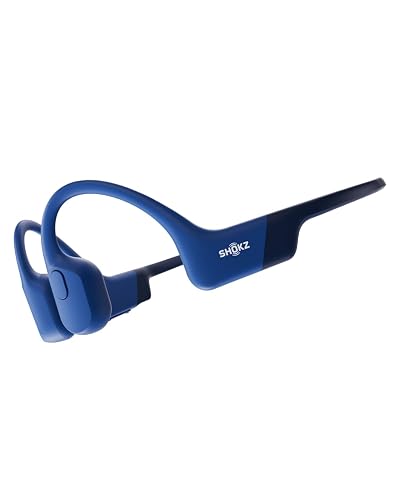
This Aiwa model is listed under the name Aiwa Bluetooth Headphones, Prodigy Swim Bone Conduction, and it is sold in a red colorway. It belongs to the category of bone conduction headphones, which transmit sound through vibrations at the cheekbones and jaw rather than through the ear canal. Because the ear stays open, you can hear traffic, coaches and training partners while you listen, which is one of the main reasons people choose this type for running and cycling.
The product is positioned as a swim-capable headset. The listing emphasizes an IP68 rating, a wireless connection and built-in storage, so it can play music stored on the device even when your phone is not in range. That combination is less common than standard Bluetooth bone conduction, where most models rely entirely on a paired phone. Storage-equipped designs are particularly relevant for swimmers, who cannot easily carry a phone to the pool deck or into the water.
Because this review is based on published specifications and patterns in owner feedback rather than personal testing, the picture below reflects what the manufacturer states and what buyers commonly describe. Anything not clearly named in the listing is treated with caution.
Key Features & Specifications
The table below lists the specifications that the product name and listing make clear. Items the listing does not state confidently have been left out rather than guessed.
| Feature | What the Listing Indicates | What It Means for You |
|---|---|---|
| Design type | Bone conduction, open-ear | Sound travels through the cheekbones, leaving the ear canal open for ambient sound |
| Water resistance | IP68 rating | The IP68 standard indicates protection against dust and continuous submersion beyond 1 meter, as defined by the IEC; check the manufacturer’s depth and time limits for swimming |
| Storage | 8GB onboard MP3 storage | Lets you play stored music without a phone, useful for swimming and gym sessions |
| Battery life | Up to 12 hours of playtime | Typically enough for several training sessions between charges; actual runtime depends on volume and connection |
| Connectivity | Wireless Bluetooth | Pairs with phones and other Bluetooth sources for streaming |
| Intended use | Swimming, running, workouts | Designed around active use rather than office or travel listening |
| Color | Red | Listed colorway for this specific ASIN |
Specifications such as driver size, exact Bluetooth version, charging connector type and audio codec support are not confirmed in the product name, so they are not listed here. Check the full product page before purchase if any of those details matter to you.
Pros & Cons
Pros
- Open-ear design keeps you aware of traffic, trail noise and people nearby.
- IP68 water resistance suits swimming and sweaty workouts, which many standard Bluetooth headsets cannot handle.
- Onboard 8GB storage allows playback without carrying a phone into the pool or on a run.
- Up to 12 hours of listed playtime covers multiple training sessions between charges.
- Wireless design avoids the cable snagging that affects wired bone conduction models.
Cons
- Bone conduction audio generally has less bass and lower overall fidelity than sealed earbuds.
- Storage at 8GB is modest, so large music libraries will need to be curated.
- Open-ear designs can leak sound at higher volumes, which may bother people nearby.
- Fit depends on individual anatomy; owners sometimes report needing to adjust the band for a secure seal on the cheekbones.
- Specifications beyond the headline features are not clearly stated in the listing, which makes detailed comparison harder.
Performance Analysis
Performance in bone conduction headphones comes down to three things: how well the transducers couple to your skin, how much low-frequency energy they can produce, and how consistent the wireless link stays during movement. Owners of bone conduction models in general often report that clarity of voices and rhythmic music is good, while deep bass and full-range sound are weaker than with in-ear designs. That tradeoff is inherent to the technology, not a flaw unique to this model.
The IP68 rating means the body is designed to resist water ingress during submersion, which is the main reason to choose this model over a standard sport headset. Buyers using the headphones in pools should still follow the manufacturer’s stated depth and duration limits and rinse them with fresh water after saltwater or chlorinated use, as recommended for most sealed electronics. Water resistance ratings describe lab conditions and can be compromised by damage, worn seals or charging-port exposure.
The 12-hour playtime figure is a useful benchmark for training schedules. Real-world battery life varies with volume, Bluetooth range and whether music is played from storage or streamed. Streaming from a phone typically draws more power than playback from local memory, so runtime will differ by use case. Users planning long endurance sessions should treat the 12-hour figure as an upper estimate and test their own routine.
The 8GB onboard storage is the feature that separates this model from many competitors. It lets you load a limited set of tracks for swimming or gym sessions. At typical compressed file sizes, 8GB can hold a substantial playlist, but it is not a large library, so planning matters. Owners who want to listen to podcasts, audiobooks or extensive catalogs should weigh that limit carefully.
Who Should Buy This Product?
This model suits swimmers who want music in the pool and runners or cyclists who need to hear their surroundings. It also fits people in gyms or on trails who dislike earbuds that block sound, and anyone who wants a single headset that works both on land and in water. If you already own a phone-dependent bone conduction headset and mainly want better water handling or onboard playback, this design addresses those specific needs.
You should skip this product if your priority is audiophile sound, strong bass or noise isolation. Commuters on loud trains or office workers who need quiet focus will also find open-ear designs less suitable. Buyers who want very high storage capacity, or who require detailed codec and driver specifications before purchase, may prefer models with more fully documented listings.
Buying Guide
Before buying any bone conduction headset, consider how you plan to use it. For swimming, confirm the water rating and check whether storage playback is included. For running on roads, prioritize open-ear comfort, a secure band and reasonable volume. For gym use, look for sweat resistance and a fit that stays put during lateral movement.
Fit is more important with bone conduction than with most headphones. The transducers must press lightly against the cheekbones or temples to transmit sound. Position the unit just in front of the ear, adjust the band snugly, and test volume before a full workout. Our guide on Where to Place Bone Conduction Headphones: A Step-by-Step Fit Guide walks through the process in more detail.
Consider these alternatives if the Aiwa model does not match your needs:
- Raycon Bone Conduction Headphones, an open-ear running model with sweat and water resistance and a built-in microphone, suited to people who want Bluetooth streaming with calls.

Raycon Bone Conduction Headphones – Open Ear Running Headphones & Bluetooth Earbuds, Sweat & Water-Resistant with Mic (Gray)
- Bluetooth 6.0 Open-Ear Bone Conduction Headphones with LED Power Display, a lightweight IPX5-rated option with an LED battery indicator and microphone, aimed at runners, cyclists and walkers.

Bone Conduction Headphones, Bluetooth 6.0 Open-Ear Headphones with LED Power Display, 12-Hour Playtime Earbuds with Mic, IPX5 Waterproof Earphones Ultra-Light for Running, Cycling, Walking Black
For broader comparisons of bone conduction types, see Open-Ear and Bone Conduction Headphones Explained and Aiwa Bone Conduction Headphones: A Buyer’s Guide for 2026.
FAQ
Are Aiwa Prodigy bone conduction headphones waterproof enough for swimming?
The listing states an IP68 rating, which indicates protection against submersion beyond 1 meter under the IEC standard. Follow the manufacturer’s stated depth and time limits, and rinse the unit with fresh water after use in chlorinated or salt water.
How much music can the 8GB storage hold?
Capacity depends on file format and bitrate. Compressed MP3 files at moderate bitrates let 8GB hold a substantial playlist, but it is a limited library compared with a phone. Check the file formats the device supports before loading tracks.
How long does the battery last?
The listing gives up to 12 hours of playtime. Real runtime varies with volume, streaming versus local playback and connection quality, so expect less during high-volume sessions.
Can I use these headphones while running on the street?
Yes, the open-ear design is intended for this. Keep the volume moderate so you can still hear traffic, and check local rules about headphone use while cycling or in traffic.
Do bone conduction headphones sound as good as earbuds?
Generally, no. Bone conduction typically delivers less bass and lower fidelity than sealed in-ear designs. Voices and rhythmic music usually come through clearly, which suits training and spoken content.
Will the fit work for everyone?
Fit varies with head shape, cheekbone structure and how the band is tightened. Many owners report needing to adjust position before getting consistent sound, so test the headphones at home before a long session.
Should people with hearing conditions use bone conduction headphones?
Bone conduction can be an option for some people with certain hearing conditions, but suitability depends on the type of hearing loss. Consult an audiologist or hearing professional before relying on any device for hearing support.
Final Verdict
The Aiwa Prodigy bone conduction headphones make the most sense for swimmers and active users who want waterproof construction, onboard storage and an open-ear design in one wireless package. Their strengths are water resistance, playback without a phone and situational awareness during exercise. Their limitations are the ones shared by bone conduction in general: modest bass, limited isolation and a fit that must be dialed in. If those tradeoffs suit your training, this is a focused option. If you want full-range sound or a large library, look elsewhere.
Before you buy: helpful guides
Related reading
- 5 Best Aiwa Prodigy Swim Bone Conduction Wireless Headphones Reviews (2026)
- 7 Best Aiwa Bone Conduction Wireless Headphones for Workouts and Swimming
- Open-Ear and Bone Conduction Headphones Explained
- Best Bone Conduction Headphones for Sports: 3 Models Compared
About Ethan Brooks
Ethan Brooks is part of our editorial team and reviews and edits our headphone tech & types guides, checking product details against manufacturer specifications and owner feedback.