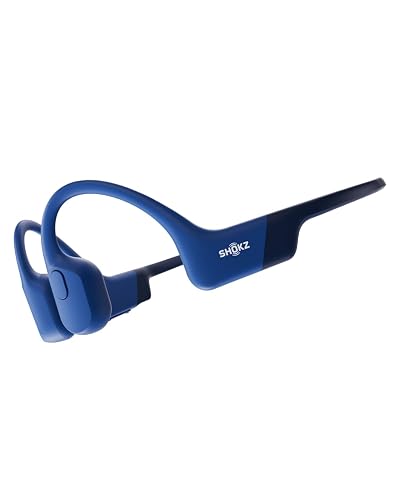
 By Ethan Brooks
Updated November 2026
Shoppers searching for aiwa prodigy swim bone conduction wireless headphones reviews usually want one thing: a pair that stays in place during laps, runs, and workouts, and sends clear audio without blocking the ears. This list compares five bone conduction models that match that need, using the criteria below. Each pick is judged on manufacturer-stated specifications, the brand’s track record in sport audio, the waterproof rating, battery claims, onboard storage, and the kinds of feedback owners commonly describe.
Our top picks at a glance
- 1
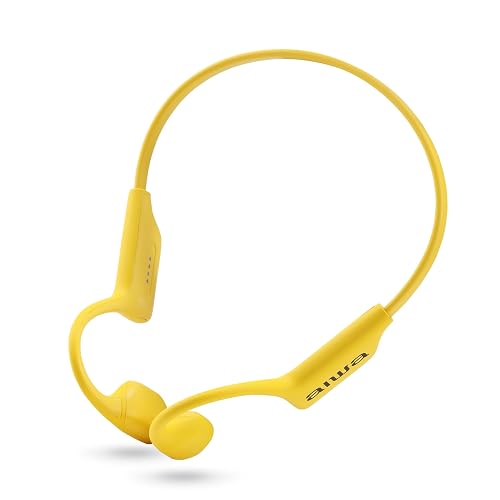 TOP CHOICEBest overallAiwa Bluetooth Headphones, Prodigy Swim Bone ConductionView on Amazon
- 2
 TOP CHOICEBest for long daily runsRayconIP67 Waterproof Bone Conduction Headphones, 2nd GenView on Amazon
- 3
 TOP CHOICEBest for bass loversPSIERBone-Air Conduction Dual Driver HeadphonesView on Amazon
- 4
 Best budget pickAiwa Bone Conducting Wireless Headphones, PinkView on Amazon
- 5
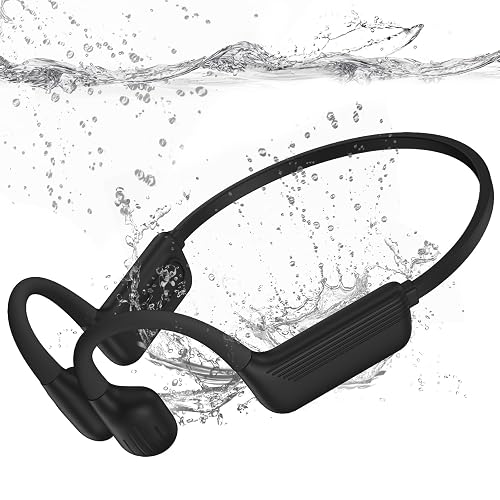 Best for lap pool swimmingBluetooth 6.0 Bone Conduction Swimming Headphones, IP68View on Amazon
Our Top Picks
Quick Comparison
| Product | Best for | Key feature |
|---|---|---|
| Aiwa Prodigy Swim Bone Conduction | Swimmers who also want music storage | IP68 waterproofing with 8GB MP3 storage |
| RayconIP67 Bone Conduction Headphones, 2nd Gen | Daily runners and commuters | 16-hour battery and dual microphones |
| PSIERBone-Air Conduction Dual Driver Headphones | Listeners who want more low-end punch | Dual drivers with 32GB memory |
| Aiwa Bone Conducting Wireless Headphones | Gym-goers on a tighter budget | Open-ear design with IPX5 rating |
| Bluetooth 6.0 Bone Conduction Swimming Headphones | Lap swimmers | IP68 rating with soft silicone band |
Aiwa Bluetooth Headphones, Prodigy Swim Bone Conduction
Aiwa Bluetooth Headphones, Prodigy Swim Bone Conduction, Wireless Waterproof IP68 Sports Headset with 8GB MP3 Storage, 12-Hour Playtime, Open-Ear Design for Swimming, Running & Workouts (Yellow)
Best for: Swimmers and multisport athletes who want offline music without carrying a phone.
This is the most swim-oriented model in the group, built around the Aiwa name and an IP68 rating. It suits people who train in the pool and on land and want one device for both.
Key specs
- IP68 waterproof rating (per listing)
- 8GB onboard MP3 storage (per listing)
- Up to 12 hours of playtime (per listing)
- Bluetooth wireless connection, open-ear bone conduction design
Pros
- Onboard storage means no phone is needed in the water.
- IP68 rating suits swimming and heavy sweat.
- Open-ear design keeps ambient sound audible for safety.
Cons
- Storage is limited compared with phone-based streaming.
- Owners often mention that the fit takes a few adjustments to feel secure.
Bottom line: Pick this if you want a swim-first design with built-in music. It is the most direct answer to the search for aiwa prodigy swim bone conduction wireless headphones reviews.
RayconIP67 Waterproof Bone Conduction Headphones, 2nd Gen
IP67 Waterproof; 16H Battery Life; Dual Mic Call Clarity; Lightweight, Open-Ear Design; Running/Cycling/Commuting Raycon Everyday Bone Conduction Headphones, 2nd Gen, Black
Best for: Daily runners, cyclists, and commuters who need long battery life.
This second-generation model leans toward everyday use outdoors, with a focus on call clarity and a battery rated for a full work week of short sessions.
Key specs
- IP67 waterproof rating (per listing)
- Up to 16 hours of battery life (per listing)
- Dual microphones for calls
- Lightweight open-ear design
Pros
- Long battery life suits multi-day use between charges.
- Dual microphones help with phone calls in wind.
- Lightweight frame is often described as comfortable for long wear.
Cons
- IP67 is rated lower than IP68, so prolonged submersion is not the intended use.
- Bass response is generally lighter than the dual-driver models.
Bottom line: A strong choice for road running and commuting where battery life and call quality matter more than deep submersion.
PSIERBone-Air Conduction Dual Driver Headphones
PSIERBone-Air Conduction Dual Driver Deep Bass, MP3 Mode 32GB Memory, 12H Playtime, Bluetooth 6.0 Underwater Headphones for Sports Bone Conduction Swimming Headphones IP68 Waterproof Headphones
Best for: Listeners who want fuller low frequencies from a bone conduction design.
The dual-driver layout and large onboard memory make this model a fit for people who listen to music during workouts and value a richer sound than most open-ear designs provide.
Key specs
- Dual driver design (per listing)
- 32GB onboard memory with MP3 mode (per listing)
- Up to 12 hours of playtime (per listing)
- Bluetooth 6.0 connectivity and IP68 rating (per listing)
Pros
- Dual drivers are marketed for stronger bass than single-driver models.
- Large memory allows an extensive offline library.
- IP68 rating covers swimming and sweaty sessions.
Cons
- Owners sometimes note that bass can feel heavy at high volume.
- The brand is less widely reviewed than some established names.
Bottom line: Choose this if you prioritize low-end response and offline storage in an IP68 design.
Aiwa Bone Conducting Wireless Headphones, Pink
Aiwa Bone Conducting Wireless Headphones – Open-Ear Wireless Bluetooth 5.0 Sports Headphones, 6 Hours Playtime, IPX5 Waterproof Earphones for Gym, Running, Hiking, and Cycling, Pink
Best for: Gym-goers and hikers who want a dependable open-ear pair without a premium spend.
This Aiwa model uses a more conventional wireless design and an IPX5 rating, which covers sweat and light rain but not submersion.
Key specs
- Bluetooth 5.0 wireless connection (per listing)
- Up to 6 hours of playtime (per listing)
- IPX5 waterproof rating (per listing)
- Open-ear bone conduction design
Pros
- Open-ear design keeps the ears free for traffic and trail sounds.
- IPX5 rating handles sweat and rain well.
- Simpler feature set is easier to learn.
Cons
- Six-hour battery is shorter than several competitors.
- Not rated for swimming.
Bottom line: A sensible pick for gym and trail use, especially if you do not need swim capability.
Bluetooth 6.0 Bone Conduction Swimming Headphones, IP68
Bluetooth6.0, 32GB Memory,Soft Liquid Silicone,24g No Burden,Open Ear Enhanced Surround‑Awareness, Running,Lap Pool Swimming Bone Conduction Swimming Headphones,IP68 Waterproof Underwater Swim Earbuds
Best for: Lap swimmers who want a lightweight, water-focused design.
This model is positioned mainly for pool use, with a soft silicone build meant to stay comfortable during extended wear in the water.
Key specs
- Bluetooth 6.0 connectivity (per listing)
- 32GB memory (per listing)
- IP68 waterproof rating (per listing)
- Soft liquid silicone construction, lightweight build (per listing)
Pros
- IP68 rating supports pool and open-water sessions.
- Soft silicone is often described as comfortable for long wear.
- Large memory supports offline playback.
Cons
- Less suited to road running where ambient awareness is key.
- Owners sometimes report that the fit needs careful adjustment.
Bottom line: The most pool-focused option here, best for swimmers who want memory-based audio.
Buying Guide
Waterproof Rating
The IP code tells you how a device handles dust and water. The first digit covers solids and the second covers liquids. IPX5 covers water jets, IP67 covers temporary immersion in about one meter of water, and IP68 covers deeper submersion under conditions the manufacturer specifies. For swimming, look for IP68 and check the stated depth and duration.
Good picks for this: Aiwa Prodigy Swim Bone Conduction, Bone Conduction Swimming Headphones IP68
Onboard Storage vs. Phone Streaming
Onboard memory lets you listen without a phone in the water or on a long run. Storage is measured in gigabytes, and an MP3 file at standard quality often takes a few megabytes per song, so 8GB or 32GB can hold a large library. Phone-based streaming needs Bluetooth range and a charged phone.
Good picks for this: PSIERBone-Air Conduction Dual Driver Headphones, Aiwa Prodigy Swim Bone Conduction
Battery Life
Manufacturers usually state playtime at moderate volume. Real playtime drops at high volume and in cold weather. For a marathon training block, look for 12 hours or more. For short gym sessions, 6 hours may be enough.
Good picks for this: RayconIP67 Waterproof Bone Conduction Headphones, PSIERBone-Air Conduction Dual Driver Headphones
Fit and Comfort
Bone conduction headphones rest on the cheekbone in front of the ear. Most fit issues come from a loose band or incorrect placement. Try a snug band that sits just above the ear, and make sure the transducers press lightly on the cheekbone without digging in. Adjust before exercise, not during it.
Good picks for this: RayconIP67 Waterproof Bone Conduction Headphones, Bluetooth 6.0 Bone Conduction Swimming Headphones
Use Case: Swimming vs. Land Sports
Swimming places extra demands on a device: chlorine, saltwater, and pressure changes. Land sports mainly need sweat resistance and situational awareness. If you swim, prioritize IP68 and a water-tight design. If you run on roads, open-ear design and ambient sound matter more than submersion ratings.
Good picks for this: Aiwa Bone Conducting Wireless Headphones, Aiwa Prodigy Swim Bone Conduction
Microphone and Call Quality
If you take calls while exercising, check for dual microphones and noise handling. Wind and traffic reduce voice clarity, so multiple mics help. Bone conduction designs do not always match the call quality of earbuds, so set realistic expectations.
Good picks for this: RayconIP67 Waterproof Bone Conduction Headphones
Care and Durability
After saltwater or chlorine use, rinse the device with fresh water and dry it fully before charging. Keep charging port covers sealed. Check the manufacturer’s care guidance, since heat, long storage at full charge, and harsh cleaning agents can shorten battery life.
Good picks for this: Aiwa Prodigy Swim Bone Conduction, Bluetooth 6.0 Bone Conduction Swimming Headphones
FAQ
Can bone conduction headphones be used for swimming?
Some models carry an IP68 rating, which indicates protection against submersion under conditions the manufacturer specifies. Check the stated depth and time limit before you swim, and rinse the device after each session.
What does IP68 mean on headphones?
IP68 means the device is dust-tight and protected against continuous immersion beyond 1 meter, with limits set by the manufacturer. It is a stronger rating than IPX5, which covers water jets but not submersion.
How long do these headphones usually last on one charge?
Playtime claims range from about 6 to 16 hours across the models here, measured at moderate volume. Expect shorter runtime at high volume or in cold conditions.
Do bone conduction headphones leave the ears open?
Yes. Sound travels through the cheekbone rather than the ear canal, so outside sound remains audible. This is useful for road running and cycling, though it means background noise will also reach you.
Are onboard storage models worth it?
They are useful if you want to listen without a phone, such as in a pool or on a long run. If you always carry a phone and stay within Bluetooth range, phone streaming may be enough.
Should I consult a professional before using bone conduction headphones?
If you have hearing concerns, ear surgery history, or a medical condition affecting the cheekbone or inner ear, consult an audiologist or physician before regular use. For general wearing guidance, see the sources below.
Conclusion
For a swim-first pick that also stores music, the Aiwa Prodigy Swim model is the most direct match for the search for aiwa prodigy swim bone conduction wireless headphones reviews. Runners and commuters who want long battery life may prefer the RayconIP67 second-generation pair. Listeners who want stronger bass should look at the PSIERBone-Air dual-driver model. The Aiwa Bone Conducting pink pair suits gym and trail use on a tighter budget, and the Bluetooth 6.0 swimming model fits lap swimmers who want a lightweight pool design. Match the waterproof rating and battery life to your actual sport before you buy.
Sources
- Consumer safety guidance on wearable electronics and battery care (cpsc.gov)
- Information on hearing health and safe listening levels (nidcd.nih.gov)
- Standards background on IP ingress protection ratings
Related reading
- Groove Onn Wireless Bone Conduction Headphones Review: 6 Best Picks Compared
- Aftershokz Aeropex Wireless Bone Conduction Headphones Review: Is It Worth It?
- AfterShokz Titanium Wireless Bone Conduction Headphones Review (2026)
- 7 Best Aiwa Bone Conduction Wireless Headphones for Workouts and Swimming
- Wireless Bone Conduction Headphones UK: How to Choose the Right Pair (2026)
- Wireless Bone Conduction Headphones Aftershokz: 5 Best Picks Compared (2026)
- Top 5 Sharp Wireless Bone Conduction Headphones Compared (2026)
- Swim Headphones Bone Conduction: Can You Wear Them in the Pool? (2026)
About Ethan Brooks
Ethan Brooks is part of our editorial team and reviews and edits our headphone tech & types guides, checking product details against manufacturer specifications and owner feedback.