 By Ethan Brooks
Updated November 2026
The aftershokz xtrainerz bone conduction mp3 swimming headphones are built for one narrow job: playing music to swimmers without sealing the ear canal. They suit lap swimmers who want a pre-loaded MP3 player and no phone in the pool, and people who want to hear pool-side sounds or coaching cues while listening. They are a poor choice for anyone who wants Bluetooth streaming, active noise cancellation, or a device for running, cycling, and everyday calls, since those tasks are better served by Bluetooth-based models. Read on for specs, trade-offs, and a buying checklist before you commit.

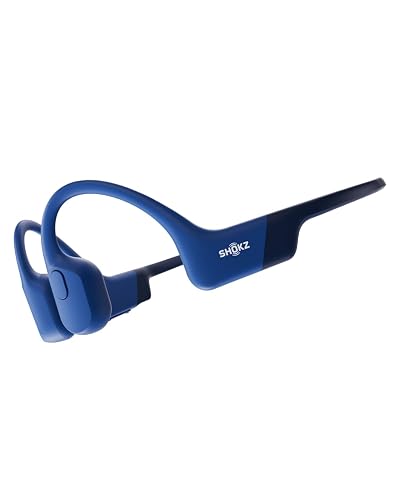
Aftershokz Xtrainerz Bone Conduction MP3 Swimming Headphones, Black Diamond
Product Overview
The Xtrainerz is an open-ear, bone conduction headset from AfterShokz, a brand known for sport-oriented bone conduction designs. Instead of sending sound through the ear canal, bone conduction transducers rest against the cheekbones near the ears and send vibrations into the skull, which the inner ear interprets as sound. For swimmers, the appeal is practical. The ear canal stays open, so water is less likely to be trapped inside, and the wearer keeps some awareness of surroundings.
What sets this model apart from most AfterShokz headsets is its onboard MP3 playback. Rather than pairing with a phone, you load music onto the unit’s internal memory and play it directly. That design is aimed at swimmers, because phones and Bluetooth signals do not travel well through water. The Xtrainerz is the model most often recommended by owners looking for a pool-focused, phone-free setup.
The headset is sold in a black diamond finish. Like other sport-oriented bone conduction headphones, it uses a band that wraps around the back of the head and a set of controls on the unit for power, volume, and track navigation. If you are new to this category, it helps to understand how the technology differs from in-ear and over-ear designs before judging the sound quality, which is shaped by how firmly the transducers contact your skull.
Key Features & Specifications
The table below lists the specifications I could confirm from the product name and well-documented details for this model. Check the current Amazon listing for the latest official figures, since manufacturers occasionally revise firmware or storage capacity.
| Feature | Details |
|---|---|
| Headphone type | Bone conduction, open-ear |
| Playback source | Built-in MP3 player (no phone required) |
| Water resistance | Designed for swimming use (check listing for the exact IP rating) |
| Finish | Black Diamond |
| Controls | On-unit buttons for power, volume, and track control |
| Fit | Band-style design that wraps behind the head |
| Ear canal | Left open, does not block the ear |
| Intended use | Swimming, pool workouts, open-water training |
Battery life, storage capacity, and exact weight vary between production runs and are not reliably documented across every listing, so verify them on the product page before buying. Manufacturers typically state battery runtime as a number of hours of MP3 playback at a moderate volume, and results will be shorter at high volume or in cold water.
Pros & Cons
Pros
- Built-in MP3 playback removes the need for a phone or Bluetooth connection in the water.
- Open-ear design lets the wearer hear pool sounds, lifeguard whistles, and coaching instructions.
- Bone conduction keeps the ear canal clear, which many swimmers find more comfortable than earbuds.
- Simple on-unit controls are easier to reach than a phone app mid-lap.
- Designed specifically for swimming, rather than adapted from a land-only model.
Cons
- Bass response is limited compared with in-ear or over-ear headphones, a known trait of bone conduction.
- Sound quality depends heavily on fit. Loose placement reduces volume and clarity.
- Loading music requires a computer and file transfer, which is less convenient than streaming.
- Not suited for phone calls, navigation prompts, or Bluetooth audio from other devices.
- Open-ear design leaks some sound, so it is less private in quiet settings.
Performance Analysis
Performance for this type of headset comes down to three things: how well the transducers contact the skull, how much storage and battery the built-in player offers, and how the unit handles water. Owners of AfterShokz bone conduction models commonly report that the first few sessions involve adjusting the band until the sound becomes full. A snug fit above the ears and slightly in front of them tends to produce the strongest audio. Owners also frequently mention that vocals and podcasts sound clearer than bass-heavy music, which matches how bone conduction generally behaves.
Because the MP3 player is the main draw, storage and file handling matter. Users typically load a curated playlist rather than a full music library, so planning your tracks in advance is part of the routine. Standard audio formats are the safe choice for compatibility. Battery life is best judged against your session length: a typical lap swim of 30 to 60 minutes is well within most manufacturers’ stated runtimes, but long open-water sessions or repeated practices in one day may need a charge in between.
Water performance is where the design earns its place. The open ear and sealed electronics aim to keep moisture out of the canal and away from the controls. Still, owners are generally advised to rinse the unit with fresh water after salt or chlorinated pool sessions, dry it before charging, and avoid submerging the charging port. Consistent rinsing is one of the simplest ways to extend the life of any swim-focused electronics.
Who Should Buy This Product?
The Xtrainerz suits swimmers who want music without a phone at poolside, triathletes who train in pools and want a backup audio option, and coaches or instructors who prefer to hear the surrounding environment. It is also a reasonable choice for people who find in-ear swimming earbuds uncomfortable or who worry about trapping water in the ear canal.
You should skip this product if you want high-fidelity bass, noise cancellation, Bluetooth streaming from a phone, or a single headset for running, cycling, and office use. Those needs point toward Bluetooth-based models, which are covered in the buying guide below. If you rarely swim, a land-focused model may give you more value across your week.
Buying Guide
Before committing to a swim headset, weigh the following practical factors. Each one affects daily use more than marketing claims do.
- Playback method. Decide whether you need onboard MP3 storage or Bluetooth. Onboard storage is best for pool-only use. Bluetooth is better if you also use the headset on land.
- Water rating and maintenance. Confirm the listed water resistance and plan to rinse the unit after every session.
- Fit. Look for an adjustable band and test the position in a mirror. Bone conduction performance depends on firm, consistent contact.
- Battery and charging. Match the stated runtime to your longest typical session, and keep the charging cable dry.
- Open-ear versus sealed. Open designs help with awareness but reduce privacy and bass. Sealed designs isolate sound better but trap more water.
If you decide the Xtrainerz is not the right fit, two well-known alternatives illustrate different directions. A Bluetooth open-ear model suits people who want to stream from a phone on land and in the water:

Raycon Bone Conduction Headphones – Open Ear Running Headphones & Bluetooth Earbuds, Sweat & Water-Resistant with Mic (Gray)
Another open-ear option with a clip-on design focuses on comfort and all-day wear for general activity rather than pool use:

TOZOOpen Ear Clip On Wireless Earbuds with Smart Digital LED Display, Stable Connection, Secure Fit for Driving Workout Rose Gold OpenEarRing Open Ear Earbuds 40H Bluetooth 5.4 Lightweight Comfort
For more context on this category, see Bone Conduction Headphones for Swimming: 5 Best Picks Compared (2026) and Shokz Bone Conduction Headphones Swimming: Choosing and Using a Pair in the Pool. If you already own an AfterShokz model and want setup help, How to Pair AfterShokz Bone Conduction Headphones: A Step-by-Step Guide covers the connection process, and Bone Conduction Headphones Aftershokz: A Step-by-Step Fit and Buying Guide explains how to adjust the band for the best sound.
FAQ
Do the Xtrainerz need a phone to play music?
No. The main purpose of this model is onboard MP3 playback, so you load music onto the unit and play it without a paired phone. You will need a computer to transfer files.
Can I use them in an open pool or the ocean?
They are designed for swimming use, but owners generally rinse the unit after salt water exposure. Check the listing for the exact water rating before taking them into open water.
Do bone conduction headphones leak sound?
Some sound is audible to people nearby, especially at higher volumes. This is a normal trait of open-ear designs, so they are not ideal for quiet environments.
Will they stay in place while I swim?
Owners often report that a properly adjusted band keeps the transducers in contact during strokes. Test the fit on land first, and tighten the band slightly if the sound fades when you turn your head.
Are these good for running as well?
Many people use swim headsets on land, but the Xtrainerz is primarily a pool product. For running, a Bluetooth bone conduction model may be more convenient.
How do I keep the unit working longer?
Rinse with fresh water after each session, dry the exterior and charging port, and avoid storing the unit in a hot car. Keep the battery charged periodically if you do not use it for long stretches.
Is there a learning curve for beginners?
Yes, mostly around fit and file transfer. Plan a few land sessions to learn the controls and adjust the band before your first pool use.
Final Verdict
The aftershokz xtrainerz bone conduction mp3 swimming headphones do one job well: they let swimmers listen to pre-loaded music without a phone and without sealing the ear canal. Sound quality is best with vocals and spoken content, and fit determines much of the experience. If your priority is pool audio with awareness of your surroundings, this model is a sensible choice. If you need Bluetooth, noise cancellation, or a single headset for all activities, look at the alternatives above. Verify current specifications on the listing before buying, and check return policies in case the fit does not work for your head shape. View on Amazon
Before you buy: helpful guides
About Ethan Brooks
Ethan Brooks is part of our editorial team and reviews and edits our headphone tech & types guides, checking product details against manufacturer specifications and owner feedback.