 By Ethan Brooks
Updated November 2026
The aftershokz aeropex bone conduction headphones are built for people who want to hear music or calls while keeping their ears open to traffic, trail sounds, and conversation. They sit on the cheekbones and send sound through bone rather than the ear canal. This makes them a practical pick for runners, cyclists, and anyone who works outdoors. They are a weaker fit for commuters who want deep bass, strong noise isolation, or a pair they can wear for hours of quiet listening. Read on to see how the design, specifications, and owner feedback add up.
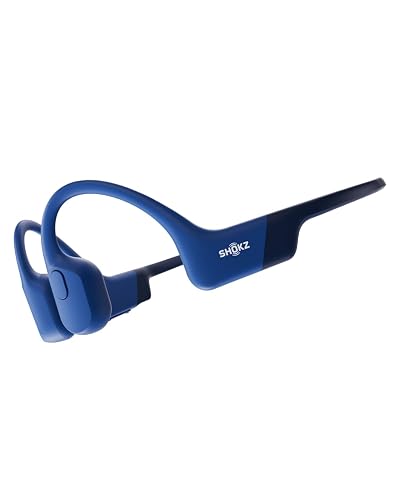
SHOKZ OpenRun (AfterShokz Aeropex) – Open-Ear Bluetooth Bone Conduction Sport Headphones – Sweat Resistant Wireless Earphones for Workouts and Running – Built-in Mic, with Headband
Product Overview
The product under review is the SHOKZ OpenRun, which is the current name for the model many buyers still search as the AfterShokz Aeropex. The listing describes it as an open-ear Bluetooth bone conduction sport headphone with sweat resistance, a built-in microphone, and a headband. It is sold for workouts and running, and that focus shapes almost every design decision.
The frame wraps around the back of the head and rests on the upper cheekbones in front of the ears. Your ear canals stay uncovered, so you can hear footsteps, car horns, and people speaking to you. Sound reaches the inner ear through vibrations in the skull. Because no part of the earbud enters the ear, many wearers find the fit comfortable during long sessions, though owners with sensitive cheekbones sometimes report soreness after extended use.
The headband design matters for active use. It holds the headphones in place during running and cycling, and it lets you pull them off and rest them around your neck without taking them out of the case or losing pairing. Owners generally describe the setup as simple once the frame is adjusted to the head.
Key Features & Specifications
The table below lists the features the product name and the broader Aeropex line are well known for. Check the current manufacturer listing before purchase, since specifications can change between production runs and regional versions.
| Feature | What it means for you |
|---|---|
| Connection | Bluetooth wireless, pairs with phones and compatible devices |
| Design | Open-ear bone conduction; ear canals stay uncovered |
| Style | Headband-style frame worn over the head |
| Microphone | Built-in mic for calls and voice commands |
| Water resistance | Sweat resistant for workouts; not designed for submersion |
| Intended use | Running, workouts, cycling, outdoor activity |
| Ear fit | No earbuds inserted; frame rests on cheekbones |
Manufacturers generally specify battery life, charging time, and Bluetooth version for this line. Because those figures vary by model and region, confirm them on the current product page rather than relying on older reviews.
Pros & Cons
Pros
- Open-ear design keeps you aware of traffic, trail noise, and people nearby.
- Sweat resistance suits running and training sessions.
- Built-in microphone supports phone calls and voice assistants.
- No earbud in the canal, so many wearers find long sessions comfortable.
- Headband-style fit stays secure during movement for most head shapes.
Cons
- Bass response is limited compared with in-ear or over-ear headphones.
- Sound leaks at higher volumes, which can bother people nearby.
- Outside noise still reaches your ears, so they offer no isolation.
- Some owners report cheekbone soreness during extended wear.
- Not suited to swimming or full submersion despite the sweat resistance.
Performance Analysis
Bone conduction changes how sound feels. Instead of a sound that seems to sit inside your head, you hear audio that feels like it comes from the space around you, layered over the environment. For running on roads or trails, this is the main reason people choose the design. You can follow a playlist or a podcast and still notice a bike bell or a car engine without removing anything.
Audio quality is where expectations need adjusting. Bone conduction transducers have a narrower frequency range than standard drivers, so bass is thin and detail in the low end is limited. Vocals, podcasts, audiobooks, and rhythmic music usually come through clearly. Owners who listen to bass-heavy genres often say the sound is adequate for motivation during a run but not satisfying for critical listening. Volume headroom is also a practical constraint: pushing the level up increases leakage, so people in a quiet office or on a shared train may hear your audio.
Call performance depends heavily on wind and environment. The built-in microphone works for short calls and voice commands, and owners commonly report that callers can understand them in calm conditions. In strong wind or loud traffic, the voice pickup can become muffled. If you plan to take frequent calls outdoors, test the setup in the conditions you actually expect.
Battery life, sweat resistance, and Bluetooth stability are the other performance areas. Manufacturers describe the sweat resistance as suitable for workouts, which matches owner experience in typical training conditions. Heavy rain and submersion are a different matter, and the product is not designed for swimming. Connection stability is generally reported as reliable at normal range, though walls and crowded signal environments can cause brief dropouts.
Who Should Buy This Product?
This pair suits runners, cyclists, hikers, and gym users who want music or podcasts while staying alert to their surroundings. It also suits people with hearing that needs to remain open to environmental sound, such as those who run in traffic-heavy areas or near cyclists. If you value a quick on-off routine and want to wear the headphones around your neck during breaks, the headband design makes that straightforward.
You should probably skip this pair if your main goal is deep bass, studio-style detail, or noise cancellation. Commuters on loud trains, office workers who need focus, and anyone who listens for long stretches in quiet rooms will likely be happier with in-ear or over-ear models. People who swim regularly should look at a dedicated waterproof design instead.
Buying Guide
Before buying, consider how you will use the headphones in a typical week. The main questions are where you will wear them, how loud you need to listen, and how much outside sound you need to hear.
- Check your head fit. Measure around your head at the level where the frame would sit. Frames are adjustable, but very small or very large heads may find some models less secure.
- Decide how much leakage you can accept. If you train near other people or share a space, prioritize moderate volume and a lighter listening style.
- Confirm your phone compatibility. Bluetooth pairing works with most modern phones, but check the manufacturer listing for the Bluetooth version and supported features.
- Consider your microphone needs. If you take calls outside, test the mic in wind before relying on it.
- Think about waterproofing carefully. Sweat resistance covers workouts. For swimming, choose a model rated for that use.
If the open-ear design is right for you but you want to compare options, consider these well-known alternatives:
SHOKZ AfterShokz Aeropex (rebranded as OpenRun, earlier listing), which shares the same design family and is useful if you find an older listing and want to confirm it matches the current model.
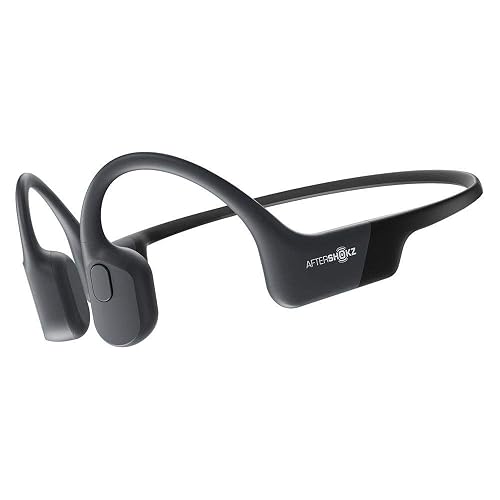
SHOKZ AfterShokz Aeropex (Rebranded as OpenRun) – Open-Ear Bluetooth Bone Conduction Sport Headphones – Sweat Resistant Wireless Earphones for Workouts and Running – Built-in Mic
SHOKZ OpenRun Pro 2, which the listing describes with a built-in mic, an IP55 rating, a 12-hour battery figure, and a reflective strip for low-light visibility. It suits riders and hikers who want the open-ear design with added features.
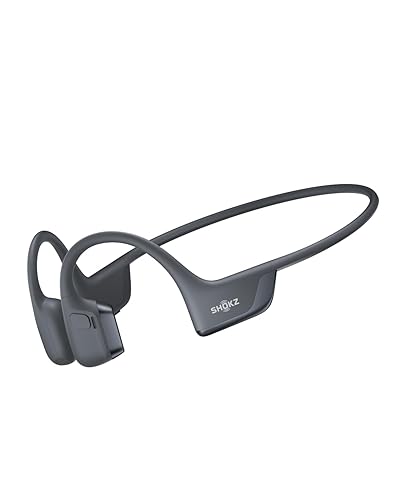
SHOKZBundle with Reflective Strip;DualPitch premium sound;Open ear awareness; Smart Mic; IP55; 12H battery; Running/Cycling/Hiking OpenRun Pro 2 Bone Conduction Bluetooth Sport Headphones, Black
For a deeper look at how bone conduction works and how to fit it, read Open-Ear and Bone Conduction Headphones Explained and Bone Conduction Headphones Aftershokz: A Step-by-Step Fit and Buying Guide. For sport-specific comparisons, see Best Bone Conduction Headphones for Sports: 3 Models Compared.
FAQ
Are aftershokz aeropex bone conduction headphones good for running?
They are designed for running and workouts. The open-ear frame keeps your ears free so you can hear traffic and surroundings, and the sweat resistance suits training sessions. Owners often say they stay in place during movement, though fit depends on head shape.
Do bone conduction headphones damage hearing?
Because the ear canal stays open, bone conduction avoids the direct pressure of earbuds. Hearing health still depends on volume and duration. Keep the level moderate and take breaks. If you have concerns about hearing, consult an audiologist or doctor.
Can other people hear what I am listening to?
Some sound leaks at higher volumes. Keeping the level moderate reduces leakage noticeably. In quiet spaces, owners generally recommend lower volume or a different pair.
Are they waterproof enough for swimming?
No. The product is sweat resistant for workouts but is not designed for swimming or submersion. Choose a model specifically rated for water sports if that is your plan.
Will the microphone work in windy conditions?
Owners commonly report that voice quality drops in strong wind. The mic works well for short calls in calm settings. Test it outdoors before relying on it for important conversations.
Do they work with any phone?
They use standard Bluetooth and pair with most modern smartphones. Confirm compatibility with your device and check the listing for the supported Bluetooth version.
Is bass good enough for music lovers?
Bass is limited compared with in-ear and over-ear headphones. Vocals, podcasts, and rhythmic tracks usually sound clear, but bass-heavy listeners may find the sound thin.
Final Verdict
The aftershokz aeropex bone conduction headphones, sold now under the SHOKZ OpenRun name, are a sensible choice for runners and outdoor athletes who need awareness of their surroundings. The open-ear design, sweat resistance, built-in microphone, and headband fit match that purpose well. Limited bass, sound leakage at higher volumes, and the lack of isolation are real trade-offs. If those fit your habits, this is a strong option. If you want rich audio or quiet focus, look at other styles.
For more context on choosing a pair, see Aftershokz Aeropex Wireless Bone Conduction Headphones Review: Is It Worth It? and 5 Best Aftershokz Aeropex Bone Conduction Bluetooth Headphones (2026): Our Picks. Bone conduction is not a medical device, so if you have hearing loss or ear concerns, consult a qualified hearing professional before choosing a model.
Before you buy: helpful guides
About Ethan Brooks
Ethan Brooks is part of our editorial team and reviews and edits our headphone tech & types guides, checking product details against manufacturer specifications and owner feedback.


