 By Ethan Brooks
Updated November 2026
Shoppers searching for uooea bone conduction headphones usually want to know which models fit an active routine, keep audio clear outdoors and stay comfortable over a long session. This list is built on the criteria that matter most for that decision: how the headphones transmit sound, how they seat on the head, battery endurance, water and sweat resistance, microphone quality for calls, and how consistently owners describe comfort and fit. Every pick below is a current Amazon listing, and each description draws on the product name and widely reported model features rather than any hands-on testing.
Our top picks at a glance
- 1
 TOP CHOICEBest overallBone Conduction Headphones, 2026 Upgraded Open-Ear Bluetooth Wireless Sport HeadphonesView on Amazon
- 2
 TOP CHOICEBest for long workoutsBone Conduction Waterproof Headphones, Bluetooth 6.0, 22g Lightweight Open Ear HeadphonesView on Amazon
- 3
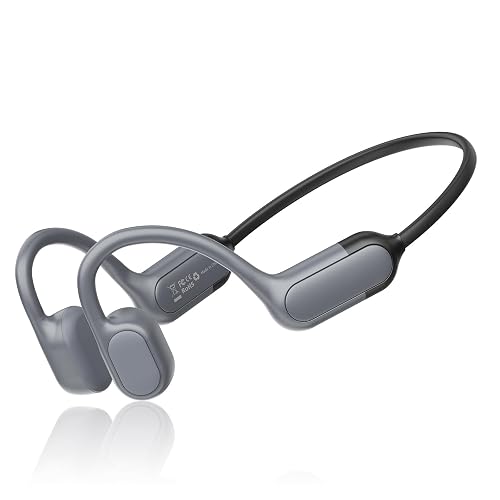 TOP CHOICEBest for lightweight comfort24g Lightweight Sports Headphones with Mic for Running, Cycling, WorkoutView on Amazon
- 4
 Best for wet conditionsLightweight Bluetooth 5.3 Sports Headphones for Running, Cycling, Workouts and CallsView on Amazon
- 5
 Best for phone callsRaycon Bone Conduction Headphones, Open Ear Running Headphones & Bluetooth EarbudsView on Amazon
- 6
 Best for hybrid soundHybrid Bone & Air Drivers Open Ear Earbuds, Bluetooth 6.0, AI Music ApView on Amazon
- 7
 Best budget pickRaycon Everyday Bone Conduction Headphones, 2nd Gen, BlackView on Amazon
Our Top Picks
Quick Comparison
| Product | Best for | Key feature |
|---|---|---|
| Bone Conduction Headphones, 2026 Upgraded Open-Ear Bluetooth Wireless Sport Headphones | General running and workouts | Open-ear bone conduction with built-in mic |
| Bone Conduction Waterproof Headphones, Bluetooth 6.0, 22g | Long workouts | Listed 10-hour playtime and 22-gram weight |
| 24g Lightweight Sports Headphones with Mic | Light, all-day wear | Listed 8-hour playtime at 24 grams |
| Lightweight Bluetooth 5.3 Sports Headphones | Rain and sweaty sessions | IPX5 water resistance and USB-C charging |
| Raycon Bone Conduction Headphones, Open Ear Running Headphones | Calls on the move | Sweat and water resistance with mic |
| Hybrid Bone & Air Drivers Open Ear Earbuds | Fuller sound and audio app control | Hybrid bone and air drivers, IPX6 rating |
| Raycon Everyday Bone Conduction Headphones, 2nd Gen | Commuting and cycling | IP67 waterproofing and 16-hour battery listing |
Bone Conduction Headphones, 2026 Upgraded Open-Ear Bluetooth Wireless Sport Headphones
Bone Conduction Headphones, 2026 Upgraded Open-Ear Bluetooth Wireless Sport Headphones,Waterproof Wireless Headphones with Built-in Mic for Sports,Workout, Running, Hiking, Cycling (Black)
Best for: General running, workouts and outdoor activity where you need to hear traffic.
This is a good starting point for someone who wants a straightforward open-ear model for regular exercise. The listing emphasizes an upgraded design and a built-in microphone for sports use.
Key specs
- Bone conduction, open-ear design
- Bluetooth wireless connection
- Built-in microphone for sports use
- Waterproof sport design (per listing title)
Pros
- Leaves ears open for ambient sound
- Built-in mic suits casual calls during a workout
- Designed around running, cycling and hiking
Cons
- Bass response is generally weaker than in-ear models, a common trait of bone conduction designs
- Fit depends heavily on how the arms sit against the cheekbones
Bottom line: A sensible default for runners and gym users who want an open-ear pair without spending time comparing specialized features.
Bone Conduction Waterproof Headphones, Bluetooth 6.0, 22g Lightweight Open Ear Headphones
Bone Conduction Waterproof Headphones , Bluetooth 6.0, 22g Lightweight Open Ear Headphones with Noise-Reducing Mic, Clear Balanced Audio, 10H Playtime, Water-Resistant for Running, Cycling & Workouts
Best for: Long workouts and endurance sessions where battery life is a priority.
Owners who train for an hour or more often care most about battery endurance and staying put during movement. This model’s listing highlights a 22-gram weight and a long playtime figure.
Key specs
- Bluetooth 6.0 connectivity (per listing)
- Listed weight: 22 grams
- Listed playtime: 10 hours
- Noise-reducing microphone and water-resistant build
Pros
- Lightweight build for extended wear
- Listed battery endurance suits long sessions
- Noise-reducing mic helps calls in windy conditions
Cons
- Water resistance is described as water-resistant rather than fully submersible
- Sound leakage at high volume is common with open-ear designs
Bottom line: Best suited to people who log long training sessions and want the longest listed battery in this group.
24g Lightweight Sports Headphones with Mic for Running, Cycling, Workout
24g Lightweight Sports Headphones with Mic for Running, Cycling, Workout, 8Hrs Playtime Bone Conduction Headphones, Wireless Open Ear Headphones
Best for: Light, comfortable wear for all-day use or short, frequent workouts.
At 24 grams, this model targets people who find heavier headsets fatiguing. It suits a mixed routine of workouts and errands.
Key specs
- Listed weight: 24 grams
- Listed playtime: 8 hours
- Bone conduction, wireless, open-ear design
- Built-in microphone
Pros
- Light enough for extended wear
- Microphone supports workout calls
- Open-ear design keeps traffic audible
Cons
- Shorter listed battery life than the longest-running options here
- Fit can loosen with heavy sweat unless the arms are adjusted
Bottom line: A good pick for people who prioritize weight and comfort over maximum battery life.
Lightweight Bluetooth 5.3 Sports Headphones for Running, Cycling, Workouts and Calls
Lightweight Bluetooth 5.3 Sports Headphones for Running, Cycling, Workouts and Calls, IPX5 Water Resistance, USB-C Charging Bone Conduction Headphones, Wireless Open Ear Headphones with Mic
Best for: Rainy runs, sweaty sessions and anyone who exercises outdoors in changing weather.
This model’s listing points to an IPX5 water-resistance rating and USB-C charging, two practical details for people who train in the rain or in humid conditions. You may also like 7 Best Probenc Bone Conduction Headphones for Running and Workouts (2026).
Key specs
- Bluetooth 5.3 (per listing)
- IPX5 water resistance (per listing)
- USB-C charging
- Built-in microphone for calls
Pros
- IPX5 rating covers splashes and sweat
- USB-C charging is convenient and common
- Designed for running and cycling
Cons
- IPX5 is not rated for submersion, so pool use is not recommended
- Battery figures are less prominent in the listing than in some competitors
Bottom line: A practical choice for runners and cyclists who need weather resistance more than submersion protection.
Raycon Bone Conduction Headphones, Open Ear Running Headphones & Bluetooth Earbuds
Raycon Bone Conduction Headphones – Open Ear Running Headphones & Bluetooth Earbuds, Sweat & Water-Resistant with Mic (Gray)
Best for: Taking phone calls while moving, since the microphone is a listed feature.
Owners who use headphones for work calls on walks or commutes often weigh microphone clarity more heavily than music quality. This model’s listing highlights a built-in mic and sweat and water resistance.
Key specs
- Bone conduction, open-ear design
- Built-in microphone
- Sweat and water resistance (per listing)
- Bluetooth connectivity
Pros
- Microphone is a primary feature
- Sweat and water resistance for outdoor use
- Open-ear design allows awareness of surroundings
Cons
- Bone conduction bass is lighter than in-ear alternatives
- Mic performance in heavy wind varies across owner reports
Bottom line: Best for people whose main headphone use is calls and voice conversations while on the move.
Hybrid Bone & Air Drivers Open Ear Earbuds, Bluetooth 6.0, AI Music App, 12H Playtime, IPX6 Waterproof
Hybrid Bone & Air Drivers Open Ear Earbuds, Bluetooth 6.0, AI Music App, 12H Playtime, IPX6 Waterproof, Running Headphones Otium Bone Conduction Headphones, 2026 Hybrid Stereo Open Ear Headphones
Best for: Listeners who want more full-range sound than pure bone conduction usually delivers. If you want more background, see 5 Best Touchbone X14 Bone Conduction Headphones for Running and Workouts (2026).
Hybrid designs combine bone conduction with air-conduction drivers, which can add low-end body compared with bone conduction alone. The listing also mentions a companion app and a 12-hour playtime figure.
Key specs
- Hybrid bone and air drivers (per listing)
- Bluetooth 6.0 (per listing)
- Listed playtime: 12 hours
- IPX6 waterproof rating (per listing)
Pros
- Hybrid drivers may deliver fuller sound than bone conduction alone
- IPX6 rating handles heavy sweat and rain
- Listed 12-hour playtime
Cons
- Hybrid designs can be heavier and sit differently than single-mode models
- App features depend on continued support from the seller
Bottom line: A strong option for listeners who want a fuller sound profile while keeping ears open.
Raycon Everyday Bone Conduction Headphones, 2nd Gen, Black
IP67 Waterproof; 16H Battery Life; Dual Mic Call Clarity; Lightweight, Open-Ear Design; Running/Cycling/Commuting Raycon Everyday Bone Conduction Headphones, 2nd Gen, Black
Best for: Commuting and cycling, where weather exposure and dual-mic call clarity both matter.
The listing combines IP67 waterproofing, a 16-hour battery figure and a dual-microphone design, which together target everyday carry rather than only gym use.
Key specs
- IP67 waterproof rating (per listing)
- Listed battery life: 16 hours
- Dual microphone for call clarity
- Lightweight open-ear design
Pros
- IP67 is a higher listed rating than IPX-only models in this group
- Long listed battery figure for commuting
- Dual mic supports clearer calls
Cons
- Fit and comfort depend on individual head shape
- Bone conduction bass remains lighter than in-ear designs
Bottom line: A well-rounded pick for commuters and cyclists who want weather resistance and strong call performance together.
Buying Guide
Transducer Type: Bone Conduction vs. Hybrid
Pure bone conduction headphones send vibrations through the cheekbones directly to the inner ear, leaving the ear canal open. Hybrid models add air-conduction drivers that can produce more low-frequency energy. If you mainly listen to podcasts or voice, pure bone conduction is usually enough. If you listen to bass-heavy music, a hybrid design may suit you better.
Good picks for this: Hybrid Bone & Air Drivers Open Ear Earbuds, Bone Conduction Headphones, 2026 Upgraded Open-Ear Bluetooth Wireless Sport Headphones
Battery Life and Charging
Manufacturers list playtime under specific conditions, usually moderate volume and a single codec. Real endurance drops at higher volume and in cold weather. Look for a figure of at least 8 hours if you train regularly, and check whether the charger is USB-C, which is more convenient than proprietary connectors.
Good picks for this: Bone Conduction Waterproof Headphones, Bluetooth 6.0, 22g Lightweight Open Ear Headphones, Raycon Everyday Bone Conduction Headphones, 2nd Gen
Water and Sweat Resistance
IPX ratings measure resistance to water, and IP ratings add dust protection. IPX5 covers water jets and heavy sweat, IPX6 covers powerful water jets, and IP67 means temporary immersion. None of these ratings means the headphones are designed for swimming. Rinse them with fresh water after salt or chlorine exposure.
Good picks for this: Lightweight Bluetooth 5.3 Sports Headphones, Raycon Everyday Bone Conduction Headphones, 2nd Gen
Weight and Fit
Lighter headphones reduce fatigue, but fit matters more than raw weight. Bone conduction units rest on the cheekbones just in front of the ear. Position the transducers so they touch the bone firmly without pressing hard enough to cause soreness. Many owners report that fit improves noticeably after a few adjustments of the ear hooks.
Good picks for this: 24g Lightweight Sports Headphones with Mic, Bone Conduction Waterproof Headphones, Bluetooth 6.0, 22g
Microphone Quality for Calls
If you take calls outdoors, check for a dual-microphone or noise-reducing design. Wind is the main enemy of clear calls, and a single mic near the mouth often struggles in strong gusts. Test your microphone by asking a friend how you sound before relying on it for work.
Good picks for this: Raycon Bone Conduction Headphones, Open Ear Running Headphones, Raycon Everyday Bone Conduction Headphones, 2nd Gen
Use Case and Activity Type
Running, cycling and gym workouts place different demands on headphones. Runners need stable fit during impact, cyclists need traffic awareness, and gym users need sweat resistance. Match the features above to your main activity, not to a generic list of specifications.
Good picks for this: Bone Conduction Headphones, 2026 Upgraded Open-Ear Bluetooth Wireless Sport Headphones, Hybrid Bone & Air Drivers Open Ear Earbuds
Care and Durability
Clean the transducer pads and arms with a soft, slightly damp cloth after sweaty sessions. Avoid soaking the unit or storing it in a hot car. Charge to a partial level for long storage, and check manufacturer guidance on battery care. Consult the product manual for specific cleaning and warranty terms.
Good picks for this: Raycon Everyday Bone Conduction Headphones, 2nd Gen, Lightweight Bluetooth 5.3 Sports Headphones
FAQ
Are bone conduction headphones safe for daily use?
Bone conduction headphones keep the ear canal open and generally do not block outside sound. Moderate volume is still advisable for long sessions. If you have hearing concerns, ear pain or tinnitus, consult an audiologist or doctor before relying on them daily.
Can uooea bone conduction headphones be worn while swimming?
Most listings in this group describe water or sweat resistance, not swim use. Ratings such as IPX5 or IPX6 cover splashes and heavy sweat, not submersion. Check the specific rating in the listing before use near water. A related read: 5 Best Econox Bone Conduction Headphones for Running and Workouts (2026).
How long do the batteries last on these models?
Listed playtimes range from about 8 to 16 hours depending on the model. Real-world endurance varies with volume, temperature and codec. Compare the figures in the listings and expect shorter runtime at high volume.
Do bone conduction headphones block outside noise?
No. The open-ear design is intentional, so you hear traffic and conversation around you. That is a benefit for safety, but it also means background noise can compete with the audio, especially in loud gyms or on busy streets.
What is the difference between bone conduction and hybrid designs?
Bone conduction sends sound through the cheekbones alone, while hybrid models combine that with air-conduction drivers. Hybrids can offer more low-frequency depth, though designs and fit differ across brands.
Will these headphones fit under a helmet?
Fit under a helmet varies by model and helmet shape. Many cyclists report that thinner arms sit more comfortably under the helmet strap. Test the fit before a long ride and confirm that the strap does not press the transducers out of position.
Do I need a microphone for workouts?
A microphone is only necessary if you take calls or voice commands during exercise. If you mainly listen to music or podcasts, a microphone adds little value. If calls matter, prioritize models with a dual or noise-reducing mic.
Conclusion
Choosing among these uooea bone conduction headphones comes down to your main activity. For general running and workouts, the 2026 Upgraded Open-Ear Bluetooth model is a sensible default. For long sessions, the 22-gram Bluetooth 6.0 pair with its listed 10-hour playtime fits best. Anyone who trains in rain or sweat should look at the IPX5-rated Bluetooth 5.3 model. Call-focused users will want the Raycon Bone Conduction Headphones with its built-in mic, while listeners who want more depth should consider the hybrid bone and air driver earbuds. For commuting and cycling, the IP67-rated Raycon Everyday model combines weather resistance with a long listed battery.
Sources
- Guidance on safe listening levels and how long you can use headphones at a given volume (cdc.gov)
- Information on hearing health, noise exposure and when to see a specialist (nidcd.nih.gov)
- Research summaries on bone conduction and hearing science (nih.gov)
Before you buy: helpful guides
Related reading
- Open-Ear and Bone Conduction Headphones Explained
- Best Bone Conduction Headphones for Sports: 3 Models Compared
- Xiaomi Bone Conduction Headphones Pairing: Step-by-Step Guide (2026)
About Ethan Brooks
Ethan Brooks is part of our editorial team and reviews and edits our headphone tech & types guides, checking product details against manufacturer specifications and owner feedback.