 By Ethan Brooks
Updated November 2026
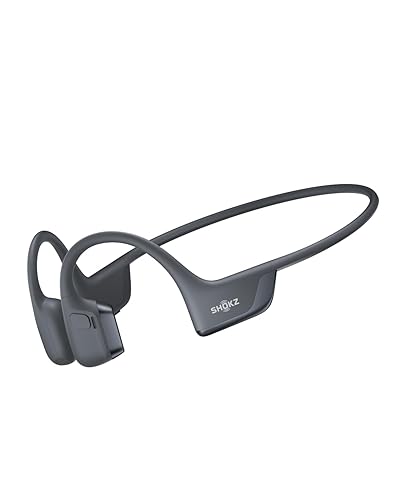
The shokz openrun pro premium bone conduction open-ear sport headphones send sound through your cheekbones rather than your ear canal, so you can hear music or calls while still hearing traffic, training partners and your surroundings. This guide explains how that design works, how to get a secure and comfortable fit, how to set up and maintain the headphones, and which factors matter most when deciding whether this style suits your routine.
How Bone Conduction Works in the Openrun Pro
Traditional earbuds push sound into the ear canal, which blocks or muffles outside noise. Bone conduction takes a different route. Small transducers rest against the cheekbones just in front of the ears and vibrate the bone, and those vibrations reach the inner ear directly. Because the ear canal stays open, you can hear ambient sound at the same time as your audio.
Shopping for one? See our guide: 7 Best Open-Ear Bone Conduction Sport Headphones of 2026.
Manufacturers describe this as open-ear listening. In practice, it means you can follow a cyclist’s bell, a car engine or a spoken instruction from a coach while a playlist continues. The trade-off is that bass response is generally lighter than what sealed in-ear or over-ear designs produce, and some listeners notice more sound leakage at higher volumes.
Step-by-Step: Fitting the Headphones Correctly
Fit is the single biggest factor in sound quality with any bone conduction device. If the transducers are not pressing firmly enough against the cheekbone, bass drops off and volume feels thin. Follow these steps for a stable fit.
- Position the band behind your head. The band should sit across the back of the skull, just above the neck, not on the crown.
- Place the transducers forward of the ear. Each pad should rest on the cheekbone roughly a finger’s width in front of the ear opening. Avoid placing them on the jaw joint, which moves while you chew or talk.
- Tighten gently. The band should feel snug enough that the pads stay put when you shake your head, but not so tight that it causes pressure or a headache.
- Test with movement. Jog in place, nod, and turn your head. If the sound fades or shifts, adjust the pad angle slightly.
- Check after a few minutes. Many owners report that a band settles after the first session, so readjust once the initial tightness eases.
Adjusting for Hair, Glasses and Helmets
Hair can push the band up or prevent the pads from contacting the skin. A ponytail or headband placed under the band usually solves this. Eyeglass arms can sit between the cheek and the transducer, so some people shift the pads slightly lower or forward. Cyclists and climbers who wear helmets should test the fit with the helmet on, because straps and buckles can change the band’s position.
Setup, Pairing and Daily Use
Setting up the headphones takes only a few minutes, but a few habits keep them performing well over time.
- Fully charge the unit before first use, following the manufacturer’s listed charge time.
- Pair through Bluetooth from your phone’s settings menu. Keep the device within a short distance during pairing.
- Update firmware when the companion app prompts you, since updates can refine call quality and button behavior.
- Wipe the transducer pads with a dry or slightly damp cloth after sweaty workouts to prevent buildup.
- Store the headphones in a cool, dry place and avoid leaving them in a hot car for long periods.
Managing Volume in Noisy Environments
Because the ear canal is open, sound can carry to people nearby, especially at high volume. Keep the level moderate in quiet settings such as libraries or offices. Outdoors, most runners and cyclists find that a moderate level is enough to hear music over wind and traffic, which also helps limit sound leakage.
Key Factors to Check Before You Buy or Use
Before committing to this style, weigh the following points against how you plan to use the headphones.
| Factor | What to Look For | Why It Matters |
|---|---|---|
| Fit and head size | Band adjustability and pad placement range | Determines stability during workouts |
| Battery life | Manufacturer-listed playback hours | Affects long runs, rides and hikes |
| Water resistance | IP rating listed in specifications | Matters for sweat, rain and pool use |
| Microphone quality | Noise-reduction features for calls | Important for phone calls outdoors |
| Ambient awareness | Open-ear design | Keeps you aware of traffic and people |
| Bass expectations | Reviews from owners describing low-end | Bone conduction bass is naturally lighter |
If you are still choosing between models in this family, Shokz Bone Conduction Headphones: How to Choose the Right Pair walks through the main differences. For a broader look at the technology, Open-Ear and Bone Conduction Headphones Explained covers the basics.
Common Mistakes and Tips
- Wearing the band too high. A band across the crown loses contact with the cheekbone. Keep it at the base of the skull.
- Expecting sealed-ear bass. Open-ear designs trade some low-end punch for awareness. Adjust your EQ if the app offers one.
- Ignoring sweat. Salt and oil can degrade pad grip and hygiene. Clean the pads after hard sessions.
- Turning the volume too high in public. Sound leakage bothers nearby people. Keep it moderate.
- Skipping firmware updates. Updates sometimes improve connectivity and controls.
Anyone with a medical condition affecting hearing, or who experiences pain or pressure from bone conduction devices, should consult an audiologist or physician before regular use.
Recommended gear
A few accessories make everyday use easier, especially for active listeners.
- Sweat-resistant headband liner helps keep the band from slipping on the back of the head during runs. View on Amazon
- Microfiber cleaning cloth lets you wipe the transducer pads without scratching them. View on Amazon
- Lightweight carrying pouch protects the headphones in a bag, reducing wear on the band and charging port. View on Amazon
FAQ
Do the shokz openrun pro premium bone conduction open-ear sport headphones work with glasses?
Yes, most wearers can use them with glasses. Eyeglass arms can sit near the transducer, so you may need to shift the pads slightly forward or lower to maintain contact.
Can I hear traffic while wearing them?
Because the ear canal stays open, you can usually hear traffic and nearby voices. Keeping the volume moderate improves this awareness.
Are they suitable for swimming?
Check the water-resistance rating in the manufacturer’s specifications. Water resistance is designed for sweat and rain, and swimming use requires a model rated specifically for submersion.
Why does the bass sound weaker than in-ear headphones?
Bone conduction transmits sound through the cheekbone, which reproduces low frequencies less fully than a sealed ear canal. Fit and EQ settings can help but will not fully match sealed designs.
How long does the battery last?
Battery life depends on volume and features in use. Refer to the manufacturer’s listed playback hours for the official estimate.
Can I use them for phone calls?
Yes. The built-in microphone handles calls, though noisy outdoor environments can affect voice clarity.
How often should I clean the pads?
Wipe them after sweaty workouts and perform a more thorough cleaning weekly if you use them daily.
Conclusion
The shokz openrun pro premium bone conduction open-ear sport headphones give you audio without sealing your ears, which suits runners, cyclists and anyone who needs to stay aware of their surroundings. Getting the fit right, managing volume and keeping the pads clean will do the most to improve your experience. Weigh bass expectations and battery needs against your routine before you buy.
Related reading
Ready to choose one?
About Ethan Brooks
Ethan Brooks is part of our editorial team and reviews and edits our headphone tech & types guides, checking product details against manufacturer specifications and owner feedback.