 By Lauren Holland
Updated November 2026
The main types of JBL headphones fall into a few clear groups: over-ear, on-ear, in-ear, true wireless earbuds, sport-focused models, and open-ear designs. Each group is built around a different tradeoff between sound isolation, portability, battery life and comfort. This guide walks through those categories, explains the features that set them apart, and gives you a checklist for matching a JBL style to how you actually listen.
Why Start With the Form Factor
Before comparing brands or model numbers, decide on the physical shape of the headphone. The form factor controls how much sound leaks in and out, how long you can wear the headphones before fatigue sets in, and how easily they fit into a bag. JBL sells products across nearly every form factor, so the first decision is usually the most important one. If you want a deeper primer on the underlying engineering, see Headphone Types Explained: Over-Ear, In-Ear, Open-Back for a general breakdown of how these designs differ.
Shopping for one? See our guide: 7 Best Type-C to 3.5 Mm Headphone Jack Adapter Picks for 2026.
The Main Types of JBL Headphones
1. Over-Ear Headphones
Over-ear models fully enclose the ear with large cushions. JBL’s over-ear line typically targets home listening, travel and long sessions at a desk. Because the ear cups surround the ear rather than resting on it, these designs tend to isolate outside noise better than on-ear models and place less pressure on the outer ear over time. Many over-ear JBL models include active noise cancellation and foldable hinges for travel.
Over-ear designs are usually the heaviest option in the lineup, and they are less convenient to carry than earbuds. Battery life on wireless versions is often longer than on smaller models because the larger housing can accommodate a bigger battery.
2. On-Ear Headphones
On-ear headphones rest on the outer ear rather than surrounding it. They are lighter and more compact than over-ear designs, which makes them a practical middle ground for commuting. Sound isolation is weaker, since the cushions do not seal around the ear, so you will hear more ambient noise in busy places. Some listeners find that pressure on the ear becomes noticeable after an hour or two, depending on the clamping force and cushion material.
3. In-Ear Headphones (Wired and Wireless)
In-ear models sit inside the ear canal and use silicone or foam tips to create a seal. This seal provides passive isolation and lets a small driver deliver strong bass response with little leakage. JBL offers both wired in-ear models with a standard 3.5mm plug and wireless versions that connect over Bluetooth, often with a short cable joining the two earpieces or a neckband.
Tip fit matters more than many buyers expect. A poor seal reduces bass and can make the sound feel thin. Most JBL in-ear models ship with several tip sizes, and trying each one until you get a stable seal is worth the time.
4. True Wireless Earbuds
True wireless earbuds have no cable between the two earpieces. Each bud connects to your device and to the other bud separately, and they usually stow in a charging case that also recharges the buds on the go. JBL’s true wireless range covers everything from compact everyday buds to models with active noise cancellation and multi-device pairing.
Battery life is quoted per bud and again with the case, and these figures vary widely by model and by whether noise cancellation is active. Manufacturers typically specify runtime at moderate volume with ANC off, so expect lower numbers in real use with ANC on or at high volume.
5. Sport and Workout Headphones
JBL’s sport-focused models prioritize secure fit and moisture resistance. Look for an IP rating in the product specifications. IPX4 means the earbuds resist splashes from any direction, which covers sweat and light rain. IPX5 and above indicates resistance to water jets, and higher ratings are relevant for swimming or heavy outdoor use. Sport designs often include ear hooks or fins, and some use a wing tip for extra stability during running.
6. Open-Ear and Bone-Conduction Designs
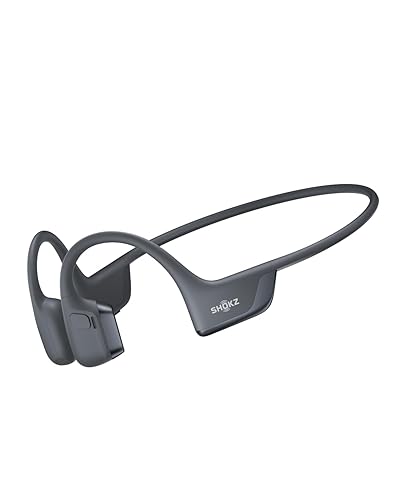
Open-ear headphones leave the ear canal uncovered and send sound toward the ear from outside. This design lets you hear traffic, conversation and announcements while you listen. Bone-conduction models transmit sound through the cheekbones. Neither design isolates sound well, so they suit outdoor runners and cyclists who need situational awareness more than immersion. Shoppers interested in this category can compare options in Top 7 Bone Conduction Open-Ear Headphones Compared for Every Need.
Comparison Table
| Type | Isolation | Portability | Best For |
|---|---|---|---|
| Over-ear | High (higher with ANC) | Low to moderate | Home, travel, long sessions |
| On-ear | Moderate | High | Commuting, light travel |
| In-ear (wired or wireless) | High with good seal | High | Gym, daily carry, budget-minded buyers |
| True wireless | Moderate to high | Very high | Calls, errands, pocket carry |
| Sport | Moderate to high | High | Running, workouts, sweat exposure |
| Open-ear / bone-conduction | Low | High | Outdoor activity, awareness |
How to Choose the Right JBL Type
Work through these steps in order. Each one narrows the field.
- Define your main use. Are you mostly at home, commuting, exercising or on calls?
- Decide how much isolation you need. Open offices and public transit call for strong passive or active isolation. Quiet rooms do not.
- Check wear time. If you listen for hours, prioritize over-ear or on-ear designs with soft cushions.
- Match the fit to your activity. Runners need hooks or fins. Swimmers need a high IP rating.
- Confirm connectivity. Decide whether you need a 3.5mm jack, USB-C, or Bluetooth with a specific codec. For codec details, read Top 8 Bluetooth Audio Codec Selection Picks: Headphones and Earbuds Compared.
- Consider wired versus wireless. Wired models avoid battery limits and latency issues, while wireless models offer convenience. See Wired vs Wireless Headphones: Real Trade-Offs for a fuller comparison.
Features Worth Checking on Any JBL Model
- Active noise cancellation (ANC), if you travel or work in noisy spaces
- Battery specifications, noting whether they assume ANC on or off
- Bluetooth version and supported codecs
- IP rating for sweat or water exposure
- Included tip sizes or cushion options for a secure fit
- Microphone quality if you take frequent calls
- Case size and charging method (USB-C is common on current models)
Driver Size and Sound Signature
Driver diameter and design influence how bass, mids and treble sound, but driver size alone does not determine sound quality. Tuning, housing design and tip fit all matter. JBL’s marketing often emphasizes bass, and many models include a bass-boost mode or a signature tuning. If you prefer neutral sound, check reviews that discuss frequency response and read the manufacturer’s specifications. For a deeper look at drivers, see Headphone Drivers Explained: Size, Type and Sound.
Common Mistakes
- Buying for the wrong environment. A sport earbud may feel secure on a run but lack the isolation needed for a noisy train.
- Ignoring tip fit. A loose seal weakens bass and can cause fatigue.
- Trusting battery numbers blindly. Check whether the rating assumes ANC off and moderate volume.
- Overlooking the IP rating. Water resistance varies widely, and “sweatproof” is not a formal rating.
- Forgetting the connection type. Confirm your phone or laptop supports the jack or adapter you plan to use.
Tips for Getting the Most From Your JBL Headphones
- Update firmware through the official JBL app when updates are offered.
- Test fit with a few minutes of walking or light movement before committing.
- Clean ear tips regularly, since wax buildup reduces sound output.
- Store over-ear models with the cushions facing inward to protect them from dust.
FAQ
What are the main types of JBL headphones?
The main categories are over-ear, on-ear, in-ear (wired and wireless), true wireless earbuds, sport models, and open-ear or bone-conduction designs. Each serves a different listening situation.
Which type of JBL headphone is best for travel?
Over-ear models with active noise cancellation are strong for long flights and quiet cabins. True wireless earbuds with ANC are better if you need something compact for daily carry.
Are JBL sport headphones waterproof?
Many JBL sport models carry an IP rating for water and sweat resistance. Check the specific rating, since IPX4 handles splashes while higher ratings handle heavier water exposure. Confirm the rating in the product specifications before swimming.
Do JBL in-ear headphones block outside noise?
In-ear models provide passive isolation when the tips form a good seal. Models with active noise cancellation reduce steady background sound further.
What is the difference between on-ear and over-ear JBL headphones?
Over-ear designs surround the ear and usually isolate sound better. On-ear designs rest on the ear, which makes them lighter and more compact but less isolating.
Are open-ear JBL headphones good for running?
They can be, especially for runners who need to hear traffic or other people. The tradeoff is reduced isolation and less bass impact compared with sealed designs.
Should I choose wired or wireless JBL headphones?
Wired models avoid battery concerns and wireless latency, which can matter for video or gaming. Wireless models are more convenient for daily use and pair easily with phones. Your choice depends on how you use them.
Conclusion
JBL offers headphones in every major form factor, so the right choice begins with how you plan to use them. Start with the environment, then consider fit, isolation, battery and connectivity. Use the comparison table and checklist above to narrow the options before comparing specific models.
Ready to choose one?
About Lauren Holland
Lauren Holland is part of our editorial team and reviews and edits our headphone tech & types guides, checking product details against manufacturer specifications and owner feedback.