 By Ethan Brooks
Updated November 2026
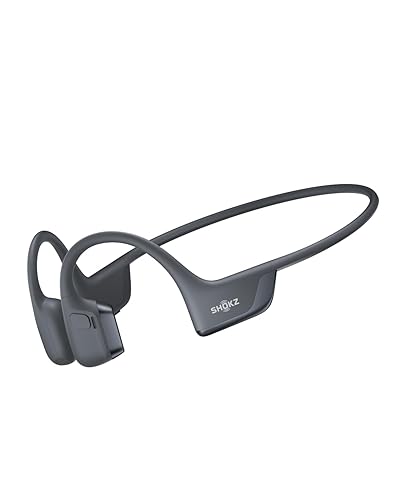
Bone conduction headphones Trekz are a style of open-ear headset that sends sound through your cheekbones instead of your ear canal. This guide explains how that technology works, what to check when comparing Trekz models, and how to set up a pair so it fits, sounds clear, and stays comfortable over long sessions. By the end, you should be able to judge whether a Trekz-style design suits your running, cycling, or everyday routine.
How Trekz-Style Bone Conduction Works
Bone conduction headphones rest on the cheekbones just in front of the ears. Small transducers vibrate against the skull, and those vibrations travel to the inner ear. Your eardrum stays open, so you can still hear traffic, announcements, or a training partner’s voice. Trekz is a product line tied to the Aftershokz brand, and most owners describe the sound as clear for speech and music at moderate volume, with less bass than an in-ear or over-ear design delivers.
Shopping for one? See our guide: 8 Best Trekz Titanium Bone Conduction Headphones: Expert Picks Compared.
Understanding this basic mechanism helps set expectations. Because sound does not pass through the ear canal, low frequencies tend to feel thinner, and isolation from outside noise is limited by design. Manufacturers generally position these headphones as a safety-conscious choice for people who need situational awareness, not as a replacement for noise-canceling over-ear headphones.
Step 1: Decide Where You Will Use Them
Before comparing models, write down the two or three situations where you will wear your headphones most. The right choice depends heavily on context.
- Outdoor running or cycling: Look for secure wraparound fit, sweat resistance, and a battery life long enough for your longest session.
- Office or home use: Comfort over long periods and clear call microphones matter more than water resistance.
- Swimming or water sports: Confirm the product is specifically rated for submersion, since many models are only splash-resistant.
- Commuting in traffic: Open-ear design is useful here, but volume discipline becomes essential.
Step 2: Check the Fit Before Anything Else
Fit is the single biggest factor in how bone conduction headphones perform. If the transducers do not press firmly against the cheekbones, bass drops off and volume feels weak. If they press too hard, the headphones become uncomfortable within minutes.
Most Trekz-style designs use a band that wraps behind the head. To check fit:
- Place the transducers just in front of your ear, on the cheekbone, not over the ear opening.
- Adjust the band so it sits snugly behind your head at roughly the base of the skull.
- Play a bass-heavy track at moderate volume and move your head side to side. The sound should stay stable.
- Test again after 15 minutes. If you feel pressure points, loosen the band slightly rather than tightening further.
For a more detailed walkthrough, see How to Wear Bone Conduction Headphones: A Step-by-Step Fit Guide, which covers placement for people with glasses, longer hair, or helmets.
Step 3: Compare Battery Life and Charging
Battery specifications vary by model and by how loud you play audio, since higher volume draws more power. Manufacturers typically publish a maximum playback time at moderate volume, so treat that figure as a best-case number. Plan for a margin of 20 to 30 percent below the rated time if you tend to listen loudly or in cold weather.
Charging connectors also differ. Some models use a proprietary cable, which can be a problem if you lose it. If you own a Raycon or Onn pair instead, the charger situation is different; Raycon Bone Conduction Headphones Charger: 6 Best Replacement Cables of 2026 and Onn Bone Conduction Headphones Charger: Step-by-Step Charging Guide address those specific accessories.
Step 4: Evaluate Water and Sweat Resistance
Sweat resistance and water resistance are not the same thing. Look for an IP rating in the product specifications. The first digit refers to dust protection and the second to water protection. An IPX4 rating generally means resistance to splashes from any direction, which suits running in rain. An IPX7 or IPX8 rating indicates submersion capability for a set depth and time, as stated by the manufacturer.
If you plan to swim, verify that the specific model is rated for it. Bone Conduction Waterproof Headphones: 6 Tips to Choose the Right Pair explains how to read these ratings in more depth.
Step 5: Assess Microphone and Call Quality
Many people buy bone conduction headphones for calls during workouts. Microphone placement matters. A boom or a module close to the mouth generally captures voice more clearly than a microphone on the back of the head. Test calls in a quiet room and then outdoors if you can. Owners often report that wind noise is the main complaint, so a model with noise-reduction processing is worth considering.
Step 6: Set Volume and Protect Your Hearing
Open-ear design makes it easy to forget how loud you are playing audio, because you cannot hear the sound leak as clearly as you would from an earbud. Keep volume at a level where you can still hear conversation at normal distance. Many audiology resources suggest limiting listening to about 60 percent of maximum volume for extended sessions. For background on this topic, read Bone Conduction Headphones Hearing Damage: What Causes It and How to Avoid It.
If you experience ongoing discomfort, ringing, or changes in hearing, stop using the headphones and consult an audiologist or physician.
Step 7: Compare Trekz Models Against Other Options
Trekz is one option among several open-ear designs. Comparing models side by side reveals tradeoffs in fit, sound, and durability. The table below summarizes what to compare, without relying on specific ratings.
| Factor | What to Look For | Why It Matters |
|---|---|---|
| Band design | Adjustable, wraparound, flexible | Determines stability during movement |
| Water rating | IPX ratings stated by manufacturer | Sweat, rain, and swimming use |
| Battery life | Published hours at moderate volume | Covers your typical session length |
| Microphone | Position and noise handling | Call clarity outdoors |
| Weight | Listed in grams | Comfort over long wear |
For a broader look at alternatives, see Top 7 Bone Conduction Open-Ear Headphones Compared for Every Need and Open-Ear and Bone Conduction Headphones Explained.
Common Mistakes to Avoid
- Wearing the transducers over the ear opening instead of on the cheekbone, which weakens bass.
- Assuming “waterproof” means swim-safe without checking the specific IP rating.
- Turning volume up to block wind or traffic noise, which strains hearing over time.
- Overtightening the band to fix a loose fit, which causes headaches and jaw discomfort.
- Ignoring the charging accessory until a cable fails.
Tips for Getting the Most From Trekz-Style Headphones
- Dry the transducers and band after sweaty workouts to keep the fit consistent.
- Store the headphones in a case or dry place to protect the battery and seals.
- Update firmware through the companion app when available, since updates can improve call handling.
- Experiment with EQ settings if your model supports them, since bass response varies between users.
Recommended gear
A few accessories can make bone conduction headphones more practical for everyday use.
- Aftershokz Trekz Air: A widely sold model in the Trekz line, useful for owners who want a reference point for fit and battery expectations. View on Amazon
- Replacement USB charging cable: Keeps a spare on hand so a lost or damaged cable does not leave you without power. View on Amazon
- Padded headphone carrying case: Protects the transducers and band from crushing in a bag. View on Amazon
FAQ
Do bone conduction headphones Trekz block outside noise?
No. Their open-ear design is meant to let you hear your surroundings. Isolation from traffic or wind is limited, so you should not rely on them for noise blocking.
Why does the sound seem quiet compared to earbuds?
Bone conduction sends vibrations through the skull, which generally produces less bass than an in-ear design. Adjusting fit and EQ can help, but expect a different sound signature.
Can I wear them with glasses or a helmet?
Many people do. Thin frames usually work, but the transducers may need repositioning. A helmet strap can change fit, so test before a ride.
Are they safe for daily use?
Manufacturers position them as safer for situational awareness, but safe listening still depends on volume and duration. Keep volume moderate and take breaks. Consult a doctor or audiologist about any hearing concerns.
How long do the batteries last?
Battery life depends on model and volume. Use the manufacturer’s published figure as a baseline, and expect less at high volume or in cold conditions.
Can I use them for swimming?
Only if the specific model is rated for submersion. Check the IP rating in the product specifications before entering water.
How do I clean them after workouts?
Wipe the transducers and band with a soft, slightly damp cloth, then dry completely. Avoid soaking the unit unless the manufacturer explicitly allows it.
Conclusion
Bone conduction headphones Trekz-style designs suit people who want to hear music or calls while staying aware of their surroundings. Focus on fit, water rating, battery life, and microphone quality before you buy, and keep volume at a safe level. Consult a healthcare professional if you have any hearing concerns.
Ready to choose one?
About Ethan Brooks
Ethan Brooks is part of our editorial team and reviews and edits our headphone tech & types guides, checking product details against manufacturer specifications and owner feedback.