By Ethan Brooks
Updated November 2026
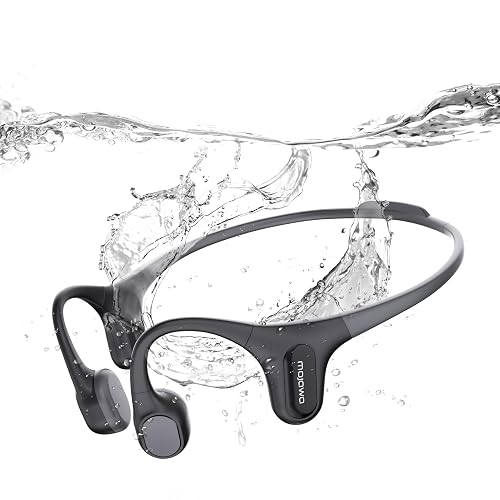
The Shokz OpenMove bone conduction wireless headphones gray version are open-ear headphones that send sound through your cheekbones instead of your ear canal. This guide explains how that works, how to get a comfortable fit, and what to check before you commit to a pair. By the end, you will know whether this style suits your routine and how to set it up correctly. You may also like Safety Glasses with Bone Conduction Headphones: A Practical Guide.
How Bone Conduction Works in the OpenMove
Bone conduction headphones rest on the temple or cheekbone just in front of the ear. Small transducers vibrate against the bone, and the vibrations reach the inner ear directly. Your ear canal stays open, so you can still hear traffic, announcements and people talking to you. The trade-off is that bass is usually thinner than what you get from in-ear or over-ear models, and sound leaks a little at higher volumes. Keep that in mind if you plan to listen to bass-heavy music in a quiet room.
Shopping for one? See our guide: AfterShokz Titanium Wireless Bone Conduction Headphones Review (2026). For another angle, check out 25 Best Bone Conduction Headphones.
Getting the Right Fit
Fit affects both comfort and sound quality more than most buyers expect. Shokz designs its frames to wrap behind the ear, and the transducers should sit lightly on the cheekbone, not on the ear cartilage or the jaw hinge.
- Place the band behind your head so the rear loop sits just above the neck.
- Slide the transducer pads forward until they touch the bone just in front of the ear opening.
- Open your mouth slightly and close it. If the pads shift, adjust the position until they stay put.
- Play a track with steady mid-range vocals at moderate volume and move your head side to side. The sound should stay consistent.
- If bass disappears, the pads are probably too high or too far from the bone. Lower them a few millimeters and test again.
Setup, Controls and Daily Use
Charge the headphones fully before the first use. Pair them with your phone through Bluetooth settings, and confirm the connection before you head out. Once paired, you can usually control playback and volume with the buttons on the band, so you do not need to touch your phone during a run or bike ride. Check the official Shokz support pages for the current button functions and firmware update steps, since these can change between releases.
For a step-by-step pairing walkthrough, see How to Connect Shokz Bone Conduction Headphones: A Step-by-Step Guide. If you are still deciding on a fit, Where Should Bone Conduction Headphones Sit: A Step-by-Step Fit Guide covers placement in more depth.
What to Check Before You Buy
Use this checklist to decide whether the OpenMove matches your needs:
- Your main use: running, commuting or office calls each place different demands on mic quality and fit.
- Sound preference: if you want deep bass, consider in-ear or over-ear models instead.
- Ear safety: open-ear designs let you hear your surroundings, which many runners and cyclists value.
- Sweat and weather: check the manufacturer’s stated water resistance rating before using them in heavy rain or sweat-heavy sessions.
- Comparisons: if you are weighing several models, 5 Best Shokz OpenRun Bone Conduction Headphones Compared (2026) shows how related Shokz styles differ.
Common Mistakes
- Wearing them too loosely. Loose pads leak sound and lose bass, so tighten the band slightly.
- Placing the transducers on the ear itself instead of the cheekbone.
- Playing them at maximum volume in quiet places, which causes sound leakage.
- Skipping the initial full charge, which can shorten the first battery cycles.
- Assuming open-ear means no sound leak. Others can often hear low-level audio, especially in quiet offices.
Recommended Gear
A few accessories can make daily use easier. A basic charging cable matching the OpenMove’s connector keeps the headphones topped up without hunting for a spare. A lightweight carrying case protects the frame and transducers in a bag. A small cleaning cloth helps remove sweat from the pads after workouts, which keeps the fit secure.
- Replacement USB charging cable: keeps spare charging on hand. View on Amazon
- Protective carrying case: prevents frame damage in a backpack. View on Amazon
- Soft microfiber cleaning cloth: removes sweat and dust from the pads. View on Amazon
FAQ
Do the Shokz OpenMove headphones work for running?
Yes, the open-ear design lets you hear traffic and your surroundings while you run. Make sure the fit is secure before you start, since loose pads can shift during movement. For another angle, check out Bone Conduction Headphones Health Risk: A Practical Guide (2026).
Why does the sound seem quiet or thin?
Bone conduction naturally delivers less bass than in-ear designs. Adjusting the pad position so they sit firmly on the cheekbone usually improves the sound. For a deeper look, Low Latency Bone Conduction Headphones: A Practical Guide (2026) covers this in detail.
Can other people hear what I am listening to?
At moderate volume, most people nearby hear very little. At higher volumes, sound can leak, so keep the level lower in quiet settings.
Conclusion
The Shokz OpenMove bone conduction wireless headphones gray version suit people who want to stay aware of their surroundings while listening. Focus on fit, since placement on the cheekbone drives both comfort and sound quality. Check the official manufacturer pages for current specifications, support details and availability before you buy.
Related reading
Ready to choose one?
About Ethan Brooks
Ethan Brooks is part of our editorial team and reviews and edits our headphone tech & types guides, checking product details against manufacturer specifications and owner feedback.