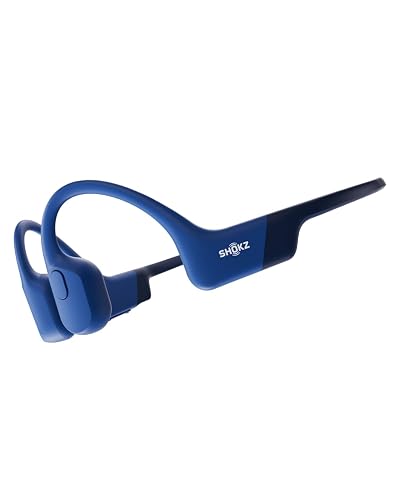
 By Ethan Brooks
Updated November 2026
Shoppers researching the disadvantages of bone conduction headphones usually want a clear answer before spending money: where these open-ear designs fall short, and which models handle those limits best. This guide compares six bone conduction options from our research, weighing specifications, brand reputation and the patterns owners tend to mention in reviews. The selection criteria were sound quality tradeoffs, weather and sweat resistance, battery life, microphone performance and overall comfort. We did not test these products ourselves; the notes below reflect published specifications and common owner feedback.
Our top picks at a glance
- 1
 TOP CHOICEBest overallBone Conduction Waterproof Headphones , Bluetooth 6.0, 22g Lightweight Open Ear HeadphonesView on Amazon
- 2
 TOP CHOICEBest for workoutsRaycon Bone Conduction Headphones – Open Ear Running Headphones & Bluetooth Earbuds (Gray)View on Amazon
- 3
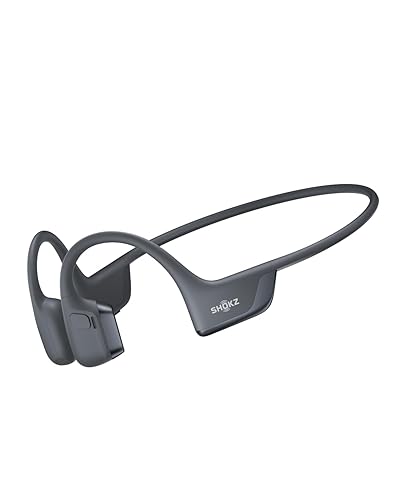 TOP CHOICEBest for outdoor sportSHOKZ OpenRun Pro 2 Bone Conduction Bluetooth Sport Headphones, BlackView on Amazon
- 4
 Best for everyday commutingSHOKZ OpenMove – Open-Ear Bluetooth Sport Headphones (Grey)View on Amazon
- 5
 Best budget pickBone Conduction Headphones, Bluetooth 6.0 Open-Ear Headphones with LED Power DisplayView on Amazon
- 6
 Best for long battery lifeRaycon Everyday Bone Conduction Headphones, 2nd Gen, BlackView on Amazon
Our Top Picks
| Product | Best for | Key feature |
|---|---|---|
| Bone Conduction Waterproof Headphones (B0HLBCFK1P) | Running, cycling and general all-round use | 22g frame with noise-reducing mic and about 10 hours of listed playtime |
| Raycon Bone Conduction Headphones, gray (B0DTRW94T7) | Workouts with sweat exposure | Sweat and water resistance with a built-in mic |
| SHOKZ OpenRun Pro 2 (B0D2HKCMBP) | Outdoor sport in traffic and wind | IP55 rating, 12-hour battery and open-ear awareness |
| SHOKZ OpenMove (B09BW29FJS) | Walking, commuting and light workouts | Sweatproof build and a lightweight open-ear fit |
| Bone Conduction Headphones with LED Power Display (B0HJTCMRYQ) | Budget-minded buyers testing the format | IPX5 waterproofing and an LED battery readout |
| Raycon Everyday Bone Conduction Headphones, 2nd Gen (B0H9TS7FD2) | Long days of calls and commuting | IP67 rating and a listed 16-hour battery life |
Bone Conduction Waterproof Headphones , Bluetooth 6.0, 22g Lightweight Open Ear Headphones
Bone Conduction Waterproof Headphones , Bluetooth 6.0, 22g Lightweight Open Ear Headphones with Noise-Reducing Mic, Clear Balanced Audio, 10H Playtime, Water-Resistant for Running, Cycling & Workouts
Best for: Runners and cyclists who want a light, all-round open-ear pair.
This model suits buyers who want a featherweight frame and a water-resistant build without paying for premium features they may not use. It is a sensible starting point for anyone new to the format.
Key specs
- Weight: 22 g (per listing)
- Bluetooth 6.0 connectivity
- Listed playtime: about 10 hours
- Water-resistant design for running and cycling
Pros
- Very light, which helps comfort during long sessions
- Noise-reducing microphone for calls outdoors
- Water resistance suits sweaty workouts
Cons
- Bass response is typically thinner than in-ear designs
- Sound leaks at higher volumes in quiet rooms
Bottom line: A strong all-round choice for runners and cyclists who value weight and simplicity over deep bass.
Raycon Bone Conduction Headphones – Open Ear Running Headphones & Bluetooth Earbuds (Gray)
Raycon Bone Conduction Headphones – Open Ear Running Headphones & Bluetooth Earbuds, Sweat & Water-Resistant with Mic (Gray)
Best for: Workouts where sweat and splashes are the main concern.
This pair is aimed at people who train hard and need their headphones to shrug off perspiration and light rain. Owners often mention that it works well as a gym-to-street option.
Key specs
- Sweat and water resistance (per listing)
- Built-in microphone
- Open-ear bone conduction design
Pros
- Designed with sweat exposure in mind
- Built-in mic for hands-free calls
- Keeps ears free for traffic and ambient sound
Cons
- Vibration can be felt on the cheekbones at high volume
- Low-frequency detail is limited compared with sealed earbuds
Bottom line: Best for people whose main worry is sweat, and who accept modest bass in exchange for awareness of their surroundings.
SHOKZ OpenRun Pro 2 Bone Conduction Bluetooth Sport Headphones, Black
SHOKZBundle with Reflective Strip;DualPitch premium sound;Open ear awareness; Smart Mic; IP55; 12H battery; Running/Cycling/Hiking OpenRun Pro 2 Bone Conduction Bluetooth Sport Headphones, Black
Best for: Outdoor athletes who need weather resistance and clear calls.
The OpenRun Pro 2 targets runners, cyclists and hikers who spend long hours outside. It is a fuller-featured option than most entries in this list.
Key specs
- IP55 dust and water resistance (per listing)
- About 12-hour battery life (per listing)
- Smart microphone for call clarity
Pros
- Strong weather resistance for outdoor use
- Long battery life for multi-hour activities
- Open-ear awareness keeps road sounds audible
Cons
- Higher bulk than minimalist models may feel noticeable
- Bass is still limited by the bone conduction method
Bottom line: A dependable pick for outdoor athletes who prioritize durability and call quality.
SHOKZ OpenMove – Open-Ear Bluetooth Sport Headphones (Grey)
SHOKZ OpenMove – Open-Ear Bluetooth Sport Headphones – Bone Conduction Wireless Earphones – Sweatproof for Running and Workouts, with Sticker Pack (Grey)
Best for: Walking, commuting and light training.
This model is suited to people who want a simple, sweatproof open-ear pair without the extra features of higher-end sport models. Owners frequently describe it as comfortable for everyday wear.
Key specs
- Sweatproof design (per listing)
- Open-ear bone conduction
- Bluetooth wireless connectivity
Pros
- Comfortable for everyday wear
- Sweatproof for light workouts
- Good situational awareness on city streets
Cons
- Fewer environmental-protection features than newer models
- Sound quality is limited in noisy places
Bottom line: A practical everyday option for commuters and walkers who want to keep their ears open.
Bone Conduction Headphones, Bluetooth 6.0 Open-Ear Headphones with LED Power Display
Bone Conduction Headphones, Bluetooth 6.0 Open-Ear Headphones with LED Power Display, 12-Hour Playtime Earbuds with Mic, IPX5 Waterproof Earphones Ultra-Light for Running, Cycling, Walking Black
Best for: Buyers who want to try bone conduction without a large spend.
This pair is a reasonable entry point for shoppers unsure whether the open-ear format suits them. The LED battery readout is a handy touch for checking charge before a run.
Key specs
- Bluetooth 6.0 (per listing)
- Listed playtime: about 12 hours
- IPX5 water resistance
- LED power display
Pros
- Lightweight and easy to put on
- LED display shows remaining battery
- IPX5 rating handles rain and sweat
Cons
- Build and call quality may not match premium brands
- Owners often note thinner bass and less volume headroom
Bottom line: A sensible budget pick for people who want to see whether bone conduction works for them.
Raycon Everyday Bone Conduction Headphones, 2nd Gen, Black
IP67 Waterproof; 16H Battery Life; Dual Mic Call Clarity; Lightweight, Open-Ear Design; Running/Cycling/Commuting Raycon Everyday Bone Conduction Headphones, 2nd Gen, Black
Best for: Long days of calls, commuting and mixed use.
This model focuses on endurance and call quality, making it a good fit for people who spend much of the day on the phone while moving around.
Key specs
- IP67 rating (per listing)
- Listed battery life: about 16 hours
- Dual microphone design for call clarity
Pros
- Long listed battery life
- IP67 rating is among the stronger resistance specs in this group
- Dual mics help with voice pickup outdoors
Cons
- Bass remains weaker than sealed in-ear or over-ear models
- Sound can leak at high volume in quiet offices
Bottom line: A good pick for people who need all-day endurance and reliable calls more than deep bass.
Buying Guide
Sound Quality and Bass Response
The most common complaint about bone conduction is thin bass. Because the drivers sit on the cheekbone instead of moving air into the ear canal, low frequencies are harder to reproduce. Check whether a model lists a frequency range, and expect the midrange to sound clearest. Treat bass as a known limitation rather than a flaw you can fix with equalizer settings alone.
Good picks for this: Raycon Everyday Bone Conduction Headphones, 2nd Gen; SHOKZ OpenMove
Sound Leakage at Higher Volumes
Open-ear designs let sound escape, so people nearby may hear your audio. This matters in offices, libraries and shared transit. Keep volume moderate in quiet settings, and look for models that specify low leakage if discretion matters to you.
Good picks for this: Bone Conduction Waterproof Headphones; Raycon Bone Conduction Headphones (gray)
Weather and Sweat Resistance
Check the ingress protection rating. IPX5 covers water jets, IP55 covers dust and water, and IP67 covers temporary immersion. Sweat resistance is not the same as waterproofing, so match the rating to your activity. Swimming requires a dedicated design, not a general sport model.
Good picks for this: SHOKZ OpenRun Pro 2; Bone Conduction Headphones with LED Power Display
Fit, Comfort and Pressure on the Cheekbones
Bone conduction works only when the transducers maintain steady contact with the skin. A loose fit reduces volume and bass, while a tight band can cause soreness during long sessions. Adjust the band so the pads sit just in front of the ear, and check whether the design suits eyeglass wearers.
Good picks for this: Bone Conduction Waterproof Headphones; SHOKZ OpenMove
Battery Life and Charging
Listed battery life varies widely, and real-world figures usually drop at high volume or in cold weather. Compare listed hours against your typical session length, and check whether a model has a quick charge option or an LED battery indicator.
Good picks for this: Raycon Everyday Bone Conduction Headphones, 2nd Gen; SHOKZ OpenRun Pro 2
Microphone Performance
Open-ear microphones often struggle with wind and traffic noise. If you take frequent calls outdoors, look for dual-mic or noise-reducing designs and confirm the mic is built in rather than relying on your phone.
Good picks for this: SHOKZ OpenRun Pro 2; Bone Conduction Waterproof Headphones
Durability and Care
Wipe sweat from the transducer pads after workouts, and avoid storing the headphones in hot cars. Check warranty length and whether replacement parts or charging cables are available, since the pads and battery are the parts most likely to wear over time.
Good picks for this: Raycon Bone Conduction Headphones (gray); SHOKZ OpenMove
FAQ
Do bone conduction headphones damage hearing?
Bone conduction bypasses the eardrum, which is one reason the format is often promoted for listeners who want to keep their ears open. Hearing health depends mainly on volume and duration, so keep levels moderate. If you have hearing concerns, consult an audiologist.
Why do bone conduction headphones sound quiet?
Volume depends on how firmly the transducers press against the cheekbone. Adjust the fit, and remember that the open-ear design does not block outside noise, so you may need to turn up the volume in loud environments, which can increase leakage.
Is bass really worse on bone conduction models?
Yes, in most cases. Sealed earbuds and over-ear headphones move more air into the ear canal, which produces stronger low frequencies. Bone conduction is better suited to clear vocals, podcasts and spoken audio than to bass-heavy music.
Are bone conduction headphones good for calls?
They can be, but call quality depends on the microphone. Models with dual or noise-reducing mics generally perform better outdoors. Test calls in a quiet room first, and note that wind and traffic can still reduce clarity.
Can you use bone conduction headphones while swimming?
Most listed models are water-resistant for sweat and rain, not for swimming. Swimming-specific designs use different sealing and storage methods. Check the manufacturer’s specifications before entering the water.
Do bone conduction headphones fit under a helmet or with glasses?
Many people wear them with eyeglasses and bike helmets, though fit varies by head shape and model. Check the product’s fit notes and try to confirm comfort before long rides.
Conclusion
The main disadvantages of bone conduction headphones are thin bass, sound leakage at higher volumes, sensitivity to fit and limited microphone performance in wind. These are inherent to the open-ear method rather than defects in any one brand. If you run or cycle in rain and sweat, the Bone Conduction Waterproof Headphones or the Raycon Bone Conduction Headphones are sensible starting points. For outdoor athletes who need the strongest weather rating and call clarity, the SHOKZ OpenRun Pro 2 is the more complete choice. Commuters may prefer the SHOKZ OpenMove, while budget-minded buyers can start with the LED power display model. Anyone needing all-day battery life should look at the Raycon Everyday, 2nd Gen.
Sources
- Research and guidance on noise exposure and safe listening levels (nih.gov)
- Hearing health information, including how volume and duration affect hearing (cdc.gov)
- Background on how the ear transmits sound, including bone conduction pathways (nidcd.nih.gov)
Before you buy: helpful guides
Related reading
- Open-Ear and Bone Conduction Headphones Explained
- Best Bone Conduction Headphones for Sports: 3 Models Compared
- Xiaomi Bone Conduction Headphones Pairing: Step-by-Step Guide (2026)
- Wireless Bone Conduction Headphones UK: How to Choose the Right Pair (2026)
About Ethan Brooks
Ethan Brooks is part of our editorial team and reviews and edits our headphone tech & types guides, checking product details against manufacturer specifications and owner feedback.