 By Ethan Brooks
Updated November 2026
Openrun mini bone conduction headphones are built for people who want to hear music or calls while keeping their ears open to traffic, trail sounds, and conversation. This review looks at the SHOKZ OpenRun Pro Mini, a compact, sweat-resistant model with a built-in microphone and a headband, designed mainly for running and workouts. It suits runners, cyclists, and anyone who needs situational awareness during exercise. It is less suited to people who want deep isolation from noise, audiophiles chasing full-range bass, or anyone who wants the lightest possible earpiece for all-day wear.

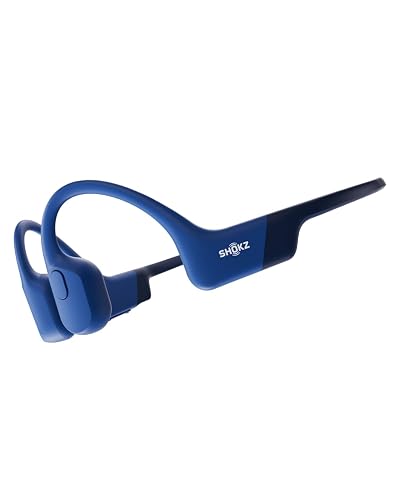
SHOKZ OpenRun Pro Mini – Premium Bone Conduction Open-Ear Bluetooth Sport Headphones – Sweat Resistant Wireless Earphones for Workouts and Running with Deep Base – Built-in Mic, with Headband
Product Overview
The SHOKZ OpenRun Pro Mini is a bone conduction headphone. Instead of sitting inside or over the ear canal, it rests in front of the ear on the cheekbone and sends sound as vibrations through the bones of the skull to the inner ear. Because the ear canal stays open, you can hear footsteps, approaching bikes, and voices around you while listening to audio.
The product name signals three things: the “Pro” tier, the “Mini” form factor, and a focus on sport use. The listing describes a premium bone conduction design, Bluetooth wireless connectivity, sweat resistance, a built-in microphone, and a headband for securing the unit during movement. The headband matters here. Bone conduction units depend on steady contact with the cheekbone, and a headband helps maintain that contact when you are running hard or sweating heavily.
Owners generally describe the Mini as lighter and more compact than full-size sport models in the same family, which tends to appeal to people with smaller heads or those who find larger headbands uncomfortable. Fit still varies from person to person, so the headband adjustment and placement are worth paying attention to from the start.
Key Features & Specifications
The table below lists features that the product name and widely known specifications for this model family support. Check the official SHOKZ listing for exact battery hours, weight, and charging times before purchase, since these can vary by revision. 25 Best Bone Conduction Headphones goes further into this.
| Feature | What It Means in Practice |
|---|---|
| Transducer type | Bone conduction, open-ear design; sound reaches you through cheekbone vibration |
| Connectivity | Bluetooth wireless |
| Microphone | Built-in mic for calls and voice commands |
| Water and sweat resistance | Sweat-resistant design rated for workout conditions; check the official IP rating on the product page |
| Securing method | Included headband to keep the units in position during running and training |
| Form factor | Compact “Mini” build intended for a smaller, more lightweight fit |
| Intended use | Running, cycling, gym workouts, and outdoor activity |
| Bass emphasis | Marketed with deep bass tuning; bone conduction bass is generally weaker than in-ear designs |
Pros & Cons
Pros
- Open-ear design lets you hear traffic, trail sounds, and people nearby while you listen.
- Compact Mini form factor suits smaller heads and people who find full-size sport headbands bulky.
- Sweat-resistant construction is aimed at heavy exercise and workouts.
- Built-in microphone supports phone calls and voice assistant use on the move.
- Included headband helps keep the units stable during running and high-movement training.
- Bluetooth connectivity works with most modern phones and fitness devices.
Cons
- Bone conduction cannot match the bass depth or isolation of sealed in-ear or over-ear models.
- Sound leakage is noticeable at higher volumes, which can bother people sitting near you.
- Fit depends on cheekbone shape and headband tension, and a poor fit reduces volume and clarity.
- Outdoor wind noise can reduce call clarity, as with most open-ear microphones.
- Not designed as a sleep or commute-in-quiet-environment solution.
Performance Analysis
Performance with any bone conduction headphone comes down to three factors: transducer contact, volume headroom, and how much the design leaks sound. Based on the design goals and common owner feedback patterns for the OpenRun family, the Pro Mini performs best in the moderate-volume range where its open-ear design is most useful. Owners frequently report that music sounds clear for podcasts, spoken audio, and mid-tempo tracks, while very bass-heavy material feels thinner than it would through an in-ear model. That is a physical limitation of bone conduction, not a unique flaw of this unit.
Comfort is generally described as good for short-to-medium sessions, with the headband helping during runs. Some users report that the cheekbone pressure becomes noticeable after an hour or more, particularly if the headband is tightened too much. Adjusting the headband so the transducers sit lightly against the cheekbone, rather than being pressed hard, usually resolves this.
Call quality depends heavily on environment. In quiet settings, the microphone captures voice well. In windy outdoor conditions, voices can sound distant or distorted, a common issue for open-ear designs. Sweat resistance is a clear strength for the category, and the headband design is intended to keep the unit steady through intense movement.
Battery life is one area where you should confirm current figures on the official listing, since claimed runtimes differ across revisions and usage levels.
Who Should Buy This Product?
This model fits runners who want to hear their music or coaching cues without blocking out roads and footpaths. It also suits cyclists, hikers, and gym users who value a secure, sweat-resistant fit. People with smaller heads will likely find the Mini form factor more comfortable than standard sport designs.
You should skip this product if you want strong bass, sealed isolation for noisy environments, or a near-invisible design for long office days. Anyone who experiences discomfort from pressure on the cheekbones or sensitivity to bone conduction should try a unit in person or consult an audiologist before committing. If you have hearing concerns, speak with a hearing professional about whether bone conduction is appropriate for you.
Buying Guide
When shopping for bone conduction headphones in this category, start with your primary activity. Running and cycling favor a secure headband and sweat resistance. Office or travel use favors lighter weight and comfortable long-session fit. Check the IP rating listed on the product page, since “sweat resistant” and “waterproof” mean different things. Confirm Bluetooth version, call microphone features, and whether the headband is included.
Fit is the factor most buyers underestimate. Measure your head comfortably, check the headband adjustment range, and look at return policies in case the fit does not work. If you use glasses or wear a hat, test how the headband and transducers sit with them.
Several well-known alternatives are worth comparing. The SHOKZ OpenRun Pro 2 Mini is the newer model in the same compact line, with a DualPitch sound design and an IP55 rating, plus a longer claimed battery.

SHOKZBundle with Reflective Strip;DualPitch premium sound;Open ear awareness; Smart Mic; IP55; 12H battery; Running/Cycling/Hiking OpenRun Pro 2 Mini Bone Conduction Bluetooth Sport Headphones, Black
The Raycon Bone Conduction Headphones offer an open-ear running option with sweat and water resistance and a built-in microphone, making them a useful comparison for buyers who want a different brand’s approach.

Raycon Bone Conduction Headphones – Open Ear Running Headphones & Bluetooth Earbuds, Sweat & Water-Resistant with Mic (Gray)
For more context on choosing between models, see Top 6 Open Ear Bone Conduction Headphones for Running (2026) and Shokz OpenRun SE Sports Bone Conduction Headphones: 6 Best Picks Compared (2026). If you are new to the category, Open-Ear and Bone Conduction Headphones Explained covers how the technology works. Buyers focused on fit should read Where Should Bone Conduction Headphones Sit: A Step-by-Step Fit Guide, and those who want to compare related models can start with Openrun Pro Bone Conduction Headphones: Fit, Features and What to Check (2026).
FAQ
Are openrun mini bone conduction headphones good for running?
They are designed for running and workouts, with a headband to keep the units in place and sweat-resistant construction. Many runners choose open-ear designs so they can hear traffic and surroundings.
Do bone conduction headphones have good bass?
Bone conduction bass is typically less full than in-ear or over-ear bass. Marketing terms like “deep bass” describe tuning efforts, but physical limits still apply, so set expectations accordingly.
Can I use the built-in microphone for phone calls?
Yes, the built-in microphone supports calls and voice assistants. Clarity is best in quiet environments, and wind can reduce voice quality outdoors.
Will other people hear my music?
Open-ear designs leak some sound, especially at higher volumes. Keeping the volume moderate reduces leakage, and in quiet spaces such as offices, lower settings are advisable.
How should the headband be adjusted?
Position the transducers on the cheekbones in front of the ear, then tighten the headband until the units stay steady without strong pressure. Re-check the fit after a few minutes of movement.
Are these suitable for people with hearing loss?
Bone conduction can be an option for some people with certain types of hearing loss, but suitability depends on the cause. Consult an audiologist or hearing professional before relying on any headphone for hearing needs.
Is the product waterproof?
Listings describe sweat resistance for workouts, which is different from full waterproofing. Check the official IP rating on the product page and avoid submerging the device unless it is specifically rated for that use.
Final Verdict
The SHOKZ OpenRun Pro Mini is a sensible choice for runners and active users who prioritize open-ear awareness, a secure headband fit, and sweat-resistant construction over deep bass and isolation. It is less ideal for listeners who want rich low-end sound or quiet, private listening. Compare it with the Pro 2 Mini and Raycon options, check the current specifications on the official listing, and try to confirm fit before committing. View on Amazon
Before you buy: helpful guides
About Ethan Brooks
Ethan Brooks is part of our editorial team and reviews and edits our headphone tech & types guides, checking product details against manufacturer specifications and owner feedback.