 By Ethan Brooks
Updated November 2026
Aeropex wireless bone conduction headphones are built for people who want to hear music or calls while keeping their ears open to traffic, trail sounds, and conversation. They suit runners, cyclists, and outdoor workers who need situational awareness, and people who find in-ear buds uncomfortable during long sessions. They are a weaker match for listeners who want deep bass, sealed noise isolation, or the detail of a traditional over-ear or in-ear pair. If you mostly listen at a desk or on a commute with heavy background noise, a sealed design will likely serve you better.
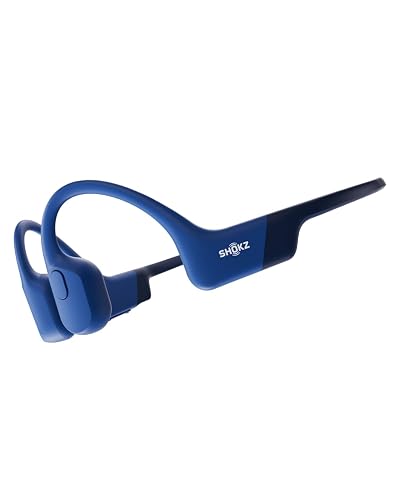
SHOKZ OpenRun (AfterShokz Aeropex) – Open-Ear Bluetooth Bone Conduction Sport Headphones – Sweat Resistant Wireless Earphones for Workouts and Running – Built-in Mic, with Headband
Product Overview
The product under review is the SHOKZ OpenRun, sold in the US under the AfterShokz Aeropex name in many listings. It is an open-ear Bluetooth headphone that sends sound through the cheekbones rather than through the ear canal. The earpieces rest in front of the ear opening, so your ear canal stays uncovered. A headband wraps around the back of the head, which many buyers prefer over a loop that hangs over the ear, because it keeps the transducers in position during movement.
The product is sold as a sport model. The listing describes it as sweat resistant, with a built-in microphone for calls and voice assistant control. Because bone conduction works by vibrating the bones of the face, the audio experience differs from typical headphones. Sound is present and clear at moderate volumes, but the design trades away the low-frequency punch and isolation that sealed earbuds provide. Shoppers should treat it as a tool for awareness and comfort first, and a music device second. 6 Best Wireless Bluetooth Headphone Adapter Picks for Every Need (2026) goes further into this.
The OpenRun line has been a long-running product family for the brand, and the current generation is positioned for running, cycling, and general fitness. Owners often describe it as a practical choice for outdoor exercise rather than a studio-grade listening device.
Key Features & Specifications
The table below lists the features that the product name and well-established details for this model support. Where a specification varies between regional versions or revisions, check the current Amazon listing before buying.
| Feature | Details |
|---|---|
| Connectivity | Bluetooth wireless |
| Design type | Open-ear, bone conduction |
| Fit style | Headband with transducers resting in front of the ears |
| Microphone | Built-in mic for calls and voice commands |
| Water resistance | Sweat resistant (sport-rated, not designed for submersion) |
| Intended use | Workouts, running, cycling, outdoor activity |
| Ear canal | Left uncovered |
Battery life, exact IP rating, and codec support can vary by generation and by the specific listing. Manufacturers typically specify these in product documentation, so confirm them on the packaging or the official spec sheet before you rely on a number for a long trip or a multi-hour event.
Pros & Cons
Pros
- Open-ear design keeps you aware of traffic, trail noise, and people approaching from behind.
- Headband fit tends to stay stable during running and cycling, according to common owner feedback.
- Sweat resistance makes it suitable for typical workout sweat and light rain.
- Built-in microphone supports phone calls and voice assistant commands.
- Comfortable for extended wear for many users because nothing sits inside the ear canal.
- Good choice for people with ear infections, wax buildup concerns, or who simply dislike in-ear sensations.
Cons
- Bass response is noticeably thinner than sealed in-ear or over-ear headphones.
- Little to no passive noise isolation, so loud environments reduce audibility.
- Volume can leak to nearby people at higher listening levels.
- Sound quality is adequate for podcasts, spoken audio, and workout playlists but not for critical listening.
- Not designed for swimming or prolonged submersion despite the sport positioning.
- Headband design may feel different from loop-style sport buds, so fit preference is personal.
Performance Analysis
Performance for bone conduction headphones depends on three things: how well the transducers make contact with the skin, how much low-frequency energy the design can produce, and how the product handles ambient noise. The open-ear architecture makes the first two more sensitive to fit. If the headband sits too loose, the sound thins out quickly. If it is tightened too much, discomfort can build up over an hour of use. Owners frequently recommend adjusting the band so the transducers sit just in front of the ear and press lightly against the cheekbone, then testing at a moderate volume before a workout.
Voice call quality is one area where owners often report mixed results. The microphone works well in quiet outdoor settings, but wind noise and heavy traffic can reduce clarity on the other end of the call. Sound leakage is another common topic. Because the design does not seal the ear, people nearby may hear the audio at higher volumes, so the product works best at moderate levels in public spaces.
Battery performance is generally described as sufficient for a typical training session or commute, but exact runtime depends on volume, Bluetooth connection quality, and whether voice assistants are active. Charging is handled through a standard cable, and owners usually recommend topping up before long events rather than relying on the last few percent.
In terms of sweat and weather, the product is marketed for training conditions. It should handle sweat and light rain. It is not built for submersion, so rinse off salt or sweat residue with a damp cloth after heavy sessions and avoid soaking the unit.
Who Should Buy This Product?
This product fits runners who run on roads or shared paths and need to hear approaching cyclists or vehicles. It also suits cyclists who want music or navigation prompts without blocking the ear canal, and it fits people who train in gyms where verbal cues from trainers matter. People who experience ear discomfort from in-ear buds, or who need to keep their ears clear for medical or personal reasons, will often find the open design more comfortable.
Skip this product if you mostly want rich bass, quiet isolation on a crowded train, or studio-level audio. Swimmers and people who need a waterproof device for pool work should look at models rated specifically for swimming. Anyone who expects premium sealed sound will likely feel let down.
Buying Guide
When shopping for any bone conduction headphone, start by deciding how much you value awareness versus audio fidelity. If awareness matters most, an open-ear design is the right category. Next, check the fit style. Headband models generally stay put during high-impact movement, while loop designs can feel lighter. Confirm the microphone performance if you plan to take calls outdoors, and look for a clearly stated sweat or water rating that matches your activity.
Battery life is worth comparing across models because bone conduction units often run for fewer hours than sealed buds. Look for a realistic runtime statement and check whether the manufacturer’s test conditions are described. Finally, consider comfort over long sessions. A headband that fits well for a 30-minute run may feel tight after two hours, so try the fit before committing to a long event.
Several well-known alternatives are worth comparing. The first is a budget-friendly option that delivers open-ear bone conduction with a noise-reducing mic and solid battery life for running and cycling.

Bone Conduction Waterproof Headphones , Bluetooth 6.0, 22g Lightweight Open Ear Headphones with Noise-Reducing Mic, Clear Balanced Audio, 10H Playtime, Water-Resistant for Running, Cycling & Workouts
The second is a premium-tier open-ear model with stronger sound, a higher IP rating, and a longer battery, suited to riders and hikers who want more refinement.
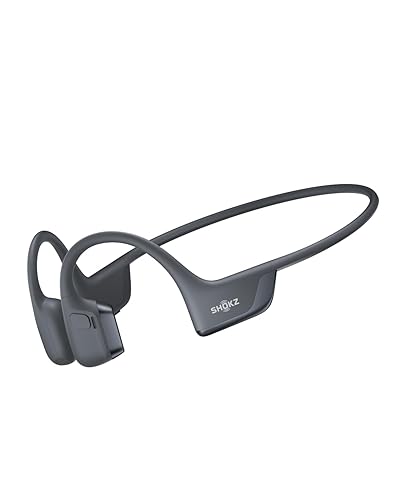
SHOKZBundle with Reflective Strip;DualPitch premium sound;Open ear awareness; Smart Mic; IP55; 12H battery; Running/Cycling/Hiking OpenRun Pro 2 Bone Conduction Bluetooth Sport Headphones, Black
For readers who want to compare the broader category before deciding, the site’s guides on Aftershokz Aeropex Wireless Bone Conduction Headphones Review: Is It Worth It? and Wireless Bone Conduction Headphones Aftershokz: 5 Best Picks Compared (2026) explain how these models differ in fit and sound. Readers focused on running may also find 5 Best Wireless Bone Conduction Headphones for Running and Workouts (2026) useful, and those choosing between clip and headband designs can read 5 Best Wireless Clip Bone Conduction Headphones of 2026.
FAQ
Do bone conduction headphones damage hearing?
Bone conduction keeps the ear canal open, which many people find easier on the ears than sealed buds, but volume still matters. Keep listening at moderate levels and take breaks. If you have hearing concerns, consult an audiologist or ear specialist.
Can I use these for swimming?
The product is sold as sweat resistant and aimed at workouts, not submersion. Models specifically rated for swimming are a better choice for pool use.
Will other people hear my music?
At higher volumes, nearby people may hear some sound because the design does not seal the ear. Keeping volume moderate reduces leakage.
Is the microphone good for phone calls?
Owners often report clear calls in quiet outdoor settings. Wind and heavy traffic can reduce clarity, so test it before relying on it for important calls.
How do I get the best fit?
Adjust the headband so the transducers sit just in front of the ear and press lightly on the cheekbone. Test at moderate volume and tighten or loosen as needed before a workout.
Do they work with glasses or hats?
Many users with glasses report comfort, but the band can shift slightly under a hat. Check fit with your usual gear before a long session.
How should I care for them?
Wipe off sweat and salt after use with a damp cloth and let the unit dry completely. Avoid soaking the device or exposing the charging port to water.
Before you buy: helpful guides
- Wireless Bone Conduction Headphones UK: How to Choose the Right Pair (2026)
- Shokz Openmove Bone Conduction Wireless Headphones Gray: A Practical Guide (2026)
- Bone Conduction Headphones Reddit: What Owners Actually Say (2026)
- Raycon Bone Conduction Headphones: Fit, Features and How to Choose
- Are Bone Conduction Headphones Safe? What Research and Specs Say (2026)
About Ethan Brooks
Ethan Brooks is part of our editorial team and reviews and edits our headphone tech & types guides, checking product details against manufacturer specifications and owner feedback.


