 By Ethan Brooks
Updated November 2026
The Suunto Wing is an open-ear, bone conduction headset built for sports and outdoor use, with waterproofing, safety lights, and Bluetooth connectivity. If you want to hear music or calls while keeping your ears open to traffic, trail sounds, and training cues, the suunto wing bone conduction headphones are worth a close look. They suit runners, cyclists, and hikers who value situational awareness and a secure, sweat-resistant fit. They are less suitable for people who want deep bass, full noise isolation, or the refined soundstage of a sealed in-ear or over-ear model, and for anyone who listens mainly indoors in quiet settings. This review is based on the manufacturer’s listing details, typical specifications for this product category, and patterns in owner feedback.

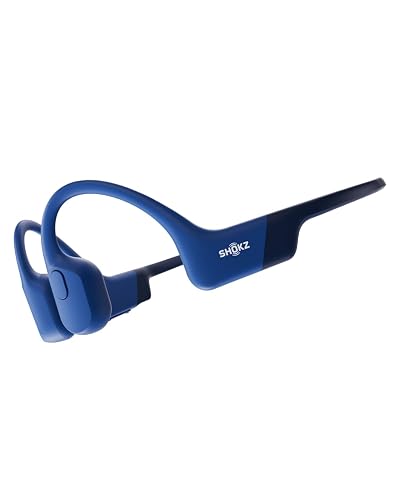
SUUNTO WING – Open ear, bone conduction headphones. Made for sports, waterproof, safety lights, bluetooth
Product Overview
The Suunto Wing belongs to the open-ear bone conduction category. Instead of pushing sound through the ear canal, these headphones rest on or near the cheekbones and transmit vibrations through bone to the inner ear. Because the ear canal stays uncovered, you can hear your surroundings at the same time as your audio. That design is the main reason people choose this type for road running, cycling, and trail work.
Suunto is best known for outdoor watches and navigation instruments, and the Wing carries that focus into audio. The listing positions it as a sport-oriented product: it is marketed for workouts, rated for water and sweat exposure, and includes safety lighting so the wearer is visible in low light. Those priorities shape nearly every trade-off you will read about below.
If you are new to this type of headset, it helps to understand how bone conduction differs from standard earbuds. Sound quality is often described as thinner in the bass range, and the experience depends on how snugly the transducers sit against the skin. For a broader primer, see Open-Ear and Bone Conduction Headphones Explained.
Key Features & Specifications
The table below lists the features named in the product listing and the characteristics that are generally associated with this model line. Exact battery figures and driver details vary by configuration, so confirm current numbers on the manufacturer’s page before purchase.
| Feature | What It Means for You |
|---|---|
| Design type | Open-ear bone conduction; leaves ear canals uncovered |
| Intended use | Sports and outdoor activity |
| Connectivity | Bluetooth wireless pairing with phones and other devices |
| Water and sweat resistance | Designed for sweat and rain exposure; check the listing for the exact IP rating |
| Safety lights | Built-in lights to improve visibility to traffic in dim conditions |
| Weight | Lightweight build intended for extended wear during exercise |
| Fit | Band-style design that wraps around the head to hold the transducers in place |
| Controls | Physical buttons for playback, volume, and call handling (layout varies by version) |
| Charging | Rechargeable battery with a standard charging connection |
Manufacturers typically state battery life as a range that depends on volume level and whether lights are active. Expect the real-world figure to drop noticeably at high volume and when the safety lights run continuously. Check the listing for the specific claim rather than relying on a general figure.
Pros & Cons
Pros
- Open-ear design keeps you aware of traffic, trail noise, and people approaching from behind.
- Sweat and water resistance suit heavy training and wet weather.
- Built-in safety lights add visibility during early-morning or evening runs.
- Lightweight frame reduces fatigue during longer sessions.
- Bluetooth connectivity works with most modern phones and tablets.
- Suunto brand recognition in outdoor and performance gear may appeal to existing users of its watches.
Cons
- Bass response is generally weaker than sealed earbuds or over-ear headphones, a common limitation of bone conduction.
- Sound leakage is noticeable at higher volumes, which can bother people sharing a quiet room.
- Fit depends heavily on positioning; a loose fit can cause volume loss and inconsistent tone.
- Limited noise isolation means background noise such as wind and traffic will reach your ears.
- Not designed for critical listening, podcasts with dense audio, or detailed music appreciation.
Performance Analysis
Performance with bone conduction headsets is a balance between clarity, volume, and comfort, and the Suunto Wing reflects the priorities of its category. Vocals, podcasts, navigation prompts, and most pop and electronic tracks tend to come through clearly. Bass-heavy genres lose impact, and the sense of depth is smaller than what you would hear from a sealed design. That is a structural feature of bone conduction rather than a flaw unique to this model.
Owner feedback patterns for products in this category commonly center on three areas. The first is fit: people who take a few minutes to adjust the band and transducer placement usually report better volume and clarity than those who wear them loosely. The second is leakage: at moderate volume the sound is usually contained within a few feet, but turning it up in a quiet office or library is likely to be audible to others. The third is wind and ambient noise on outdoor routes, which is an inherent limitation of open-ear designs and not something any model fully solves.
For call quality, bone conduction headsets generally rely on built-in microphones that pick up your voice through the air. Results depend on wind, speed, and mic placement. Expect acceptable clarity in calm conditions and more difficulty during windy cycling or fast running. Battery performance should be judged against the manufacturer’s stated figure, with the understanding that continuous use of lights and high volume will reduce runtime.
Waterproofing and sweat resistance are meaningful advantages for this category, since sweat is the most common cause of failure in sport electronics. Rated resistance offers reasonable protection for rain and perspiration, though submersion and hot tub use fall outside typical sport ratings. Always follow the care instructions and confirm the exact rating in the listing.
Who Should Buy This Product?
The Suunto Wing makes the most sense for specific users. Road runners who need to hear traffic cues, cyclists who want to hear approaching vehicles, and trail hikers who value awareness of wildlife and other people are the core audience. Anyone who trains outdoors in the early morning or at dusk will benefit from the safety lights. People who already use Suunto products and want a matching accessory will find it a natural fit.
It is less suitable for people who prioritize audio quality above everything else. Listeners who want strong bass, precise imaging, or immersive sound should consider sealed earbuds or over-ear headphones. Users who need full noise cancellation for commuting or flights will also be disappointed, because open-ear designs do not block outside sound. Anyone planning to use the headset in shared indoor spaces at high volume should keep that in mind as well.
If you are unsure whether bone conduction suits your habits, consider how much of your listening happens during activities where hearing the environment matters. If the answer is most of it, the trade-offs are likely acceptable. If you spend most of your time at a desk or on public transit with noise around you, a different type may serve you better.
Buying Guide
Before buying any bone conduction headset, decide what you will use it for and which compromises you can accept. Start with three questions: How will you use it most often? How important is bass? Do you need call quality in wind? Your answers will narrow the choice quickly.
Check these specific points when comparing models:
- Water and sweat rating. Look for the exact IP rating in the listing rather than a general claim of “waterproof.” The rating tells you what conditions the product is designed to withstand.
- Battery claim and conditions. Note whether the stated runtime assumes moderate volume and no lights. Longer runtime may require lower volume or turning off the safety lights.
- Fit adjustability. A band that adjusts for different head sizes and transducer placement makes a large difference in sound quality.
- Controls. Physical buttons are easier to use mid-run than touch controls that can misfire with sweat or gloves.
- Charging and storage. Confirm the charging connection and whether the case or cable is included.
Two alternatives in the same product family are worth comparing. The Suunto Wing 2 offers a longer listed battery claim, a higher-tier IP rating, and built-in head movement controls, which may suit users who run long distances and prefer gesture-based control.

SUUNTOUp to 36H Battery with Powerbank, Safety LED Light, Head Movement Control, IP66 Sweat&Waterproof, Stable&Lightweight Wing 2 Open-Ear Bluetooth Sport Bone Conduction Headphones, Black
The Suunto Sonic-style open-ear headset is a second option for users who want an emphasis on bass and a lighter, more comfortable feel. It trades some of the sport-specific features for a more everyday listening profile.

SUUNTOWireless Headset, Enhanced Bass, 10H Playtime, Fast Charging, Built-in Dual Mics, IP55 Sweat&Water Resistant, Lightweight Sonic Open-Ear Bluetooth Bone Conduction Sports Headphone, Black
For a wider look at what the market offers, see Suunto Sonic Bone Conduction Headphones: 6 Best Picks Compared (2026) and Best Bone Conduction Headphones for Sports: 3 Models Compared. If you are still deciding on placement, Where Should Bone Conduction Headphones Sit: A Step-by-Step Fit Guide explains how to get the most from any model.
FAQ
Are bone conduction headphones safe to use every day?
Bone conduction headphones do not place sound inside the ear canal, which many users prefer for comfort and awareness. Most people use them without issue, but keep volume at a moderate level and take breaks if you notice discomfort, pressure, or soreness near the cheekbones. If you have a medical condition affecting your hearing, consult a professional audiologist or doctor before relying on any headset for listening.
Can I wear the Suunto Wing while running on busy roads?
Open-ear designs are built for this use, because you can still hear traffic. Keep volume low enough that you can hear vehicles and people around you clearly. Always follow local safety guidance and be especially careful at intersections.
Will other people hear what I am listening to?
Some sound leakage is common with bone conduction. It is usually faint at low volume but can be audible at higher levels, especially in quiet places. Lowering the volume reduces leakage significantly.
How do I get better bass from bone conduction headphones?
Bass in bone conduction depends mainly on fit. Tighten the band slightly so the transducers maintain firm contact with your skin, and check that the placement sits on the cheekbone rather than drifting higher or lower. Some listeners also find that adjusting the equalizer on their phone helps.
Do the safety lights affect battery life?
Yes. Continuous lighting draws power, so runtime will be shorter when the lights are active. Many users turn lights on only in low-light conditions to conserve battery.
Is this model suitable for swimming?
Sweat and water resistance is designed for exercise, rain, and splashing. Swimming and submersion are outside typical sport ratings unless the manufacturer explicitly states otherwise. Check the listing and the exact IP rating before using it in water.
Can I use it for phone calls?
Yes, the built-in microphone supports calls. Call clarity is generally better in calm conditions and drops in wind or while moving fast. Hold the mic close to your mouth for the best results.
Final Verdict
The Suunto Wing is a sensible choice for outdoor athletes who want to hear their music or calls without blocking the sounds around them. Its open-ear design, sweat and water resistance, and safety lighting address the real needs of runners, cyclists, and hikers. Expect modest bass, some leakage at high volume, and limited isolation from wind and traffic, since those are inherent to bone conduction. If your listening is mostly sport and awareness-focused, it is a practical option. If audio fidelity is your top priority, look elsewhere. Review the current specifications on the product page before buying.
Before you buy: helpful guides
About Ethan Brooks
Ethan Brooks is part of our editorial team and reviews and edits our headphone tech & types guides, checking product details against manufacturer specifications and owner feedback.