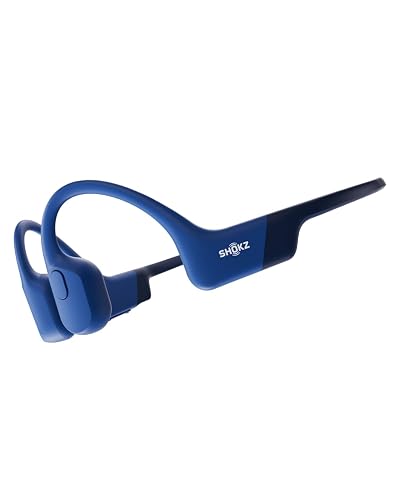
 By Ethan Brooks
Updated November 2026
Bone conduction headphones hurt ears for some people, usually because of clamping force, poor placement on the cheekbone, or a volume level that is too high for the listener. If you have been looking for a pair that stays comfortable through a long run, a commute, or an afternoon at the desk, this guide focuses on the factors that matter most: clamping pressure and how adjustable the band is, weight and balance, the materials touching your skin, whether the device stays stable during movement, and how much sound leaks at a given volume. The six models below were selected from manufacturer specifications, long-running brand reputation, and recurring patterns in owner feedback. We did not test them ourselves, so treat the picks as a starting point and check return policies before you buy.
Our top picks at a glance
- 1
 TOP CHOICEBest overallBone Conduction Waterproof HeadphonesView on Amazon
- 2
 TOP CHOICEBest for long daily wearRaycon Bone Conduction HeadphonesView on Amazon
- 3
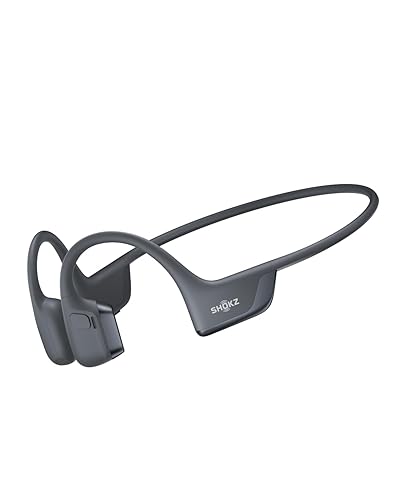 TOP CHOICEBest for premium soundSHOKZ OpenRun Pro 2View on Amazon
- 4
 Best hybrid optionOtium Bone Conduction HeadphonesView on Amazon
- 5
 Best budget pickBone Conduction Headphones with LED Power DisplayView on Amazon
- 6
 Best for swimmingSwimming Headphones Bone Conduction Bluetooth 6.0 IPX8View on Amazon
Our Top Picks
| Product | Best for | Key feature |
|---|---|---|
| Bone Conduction Waterproof Headphones | Overall comfort during running and workouts | 22g lightweight open-ear design |
| Raycon Bone Conduction Headphones | Long daily wear | Sweat and water resistance with built-in mic |
| SHOKZ OpenRun Pro 2 | Premium sound with awareness of surroundings | IP55 rating and 12-hour battery |
| Otium Bone Conduction Headphones | Hybrid sound for music lovers | Combined bone and air drivers, IPX6 |
| Bone Conduction Headphones with LED Power Display | Budget-conscious buyers | LED power display and 12-hour playtime |
| Swimming Headphones Bone Conduction Bluetooth 6.0 IPX8 | Swimming and water sports | IPX8 waterproofing and 32G onboard storage |
Bone Conduction Waterproof Headphones
Bone Conduction Waterproof Headphones , Bluetooth 6.0, 22g Lightweight Open Ear Headphones with Noise-Reducing Mic, Clear Balanced Audio, 10H Playtime, Water-Resistant for Running, Cycling & Workouts
Best for: Overall comfort during running and workouts
This model suits people who want a light, open-ear fit for exercise and want to stay aware of traffic and conversation around them. Its listing emphasizes a 22g weight, which matters most for anyone who has felt pressure build up on the cheekbones during longer sessions.
Key specs:
- Weight: 22g (per listing)
- Bluetooth 6.0
- Battery life: 10 hours (per listing)
- Water-resistant for running, cycling, and workouts
- Noise-reducing microphone
Pros:
- Light weight reduces fatigue on the cheekbones
- Open-ear design avoids ear canal pressure
- Water resistance suits sweaty workouts
Cons:
- Sound leakage can be noticeable at higher volumes
- Fit depends heavily on band adjustment
Bottom line: A strong first choice for runners and cyclists who want minimal weight and an open fit.
Raycon Bone Conduction Headphones
Raycon Bone Conduction Headphones – Open Ear Running Headphones & Bluetooth Earbuds, Sweat & Water-Resistant with Mic (Gray)
Best for: Long daily wear
Owners who wear headphones for hours at a stretch often look for a band that distributes pressure evenly. This Raycon model is positioned as a sweat- and water-resistant open-ear option with a built-in mic, making it a versatile everyday pair.
Key specs:
- Open-ear bone conduction design
- Sweat and water resistant
- Built-in microphone
- Bluetooth earbud functionality
Pros:
- Designed for running and everyday use
- Built-in microphone for calls
- Does not block the ear canal
Cons:
- Bass response is limited compared with in-ear models
- Fit may need adjustment to avoid cheekbone soreness
Bottom line: Good for people who want an all-day, open-ear pair for commuting and light workouts.
SHOKZ OpenRun Pro 2
SHOKZBundle with Reflective Strip;DualPitch premium sound;Open ear awareness; Smart Mic; IP55; 12H battery; Running/Cycling/Hiking OpenRun Pro 2 Bone Conduction Bluetooth Sport Headphones, Black
Best for: Premium sound with awareness of surroundings
This model is aimed at athletes and commuters who want clearer audio while keeping their ears open to traffic. Shokz is one of the best-known names in bone conduction, and the OpenRun line is frequently discussed in owner communities for its fit options.
Key specs:
- IP55 dust and water resistance
- 12-hour battery (per listing)
- Smart microphone
- Open-ear awareness design
Pros:
- Established brand with a large support base
- Long battery life for multi-hour sessions
- Reflective strip included in the bundle for low-light visibility
Cons:
- Typically higher in cost than basic bone conduction models
- Some owners report needing to fine-tune the fit
Bottom line: The pick for someone who wants a proven brand and clear sound for serious running or cycling.
Otium Bone Conduction Headphones
Hybrid Bone & Air Drivers Open Ear Earbuds, Bluetooth 6.0, AI Music App, 12H Playtime, IPX6 Waterproof, Running Headphones Otium Bone Conduction Headphones, 2026 Hybrid Stereo Open Ear Headphones
Best for: Hybrid sound for music lovers
Hybrid designs combine bone conduction with conventional air-conduction drivers. This may appeal to listeners who want fuller sound than pure bone conduction usually provides, though it is worth checking how the device sits on the ear.
Key specs:
- Hybrid bone and air drivers
- Bluetooth 6.0
- 12-hour playtime (per listing)
- IPX6 waterproof rating
Pros:
- Hybrid drivers can deliver fuller sound
- IPX6 rating handles rain and sweat
- Companion app features listed
Cons:
- Hybrid designs can add some weight
- Owner experiences with comfort vary
Bottom line: Suited to music-focused listeners who are willing to trade a little weight for richer audio.
Bone Conduction Headphones with LED Power Display
Bone Conduction Headphones, Bluetooth 6.0 Open-Ear Headphones with LED Power Display, 12-Hour Playtime Earbuds with Mic, IPX5 Waterproof Earphones Ultra-Light for Running, Cycling, Walking Black
Best for: Budget-conscious buyers
For people who want to try bone conduction before committing to a premium model, this budget pick offers the core features at a lower entry point. It is a reasonable choice for short walks and light workouts.
Key specs:
- LED power display
- 12-hour playtime (per listing)
- IPX5 waterproof rating
- Ultra-light design
Pros:
- Useful battery indicator
- Light enough for extended wear
- IPX5 handles sweat and light rain
Cons:
- Less refined sound than premium models
- Limited information on long-term durability
Bottom line: A sensible starting point for first-time buyers who want to see whether bone conduction suits them.
Swimming Headphones Bone Conduction Bluetooth 6.0 IPX8
Open-ear comfort,clear audio in water,phone-free playlists,secure fit with caps and goggles,stable above-water pairing Swimming Headphones Bone Conduction Bluetooth 6.0 IPX8 Waterproof 32G MP3
Best for: Swimming and water sports
This model is designed for use in water, where most open-ear headphones would not survive. It suits swimmers who want music or guidance while keeping their ears clear.
Key specs:
- IPX8 waterproof rating
- Bluetooth 6.0
- 32G onboard storage (per listing)
- Bone conduction design for underwater-compatible audio
Pros:
- IPX8 rating suits submersion
- Onboard storage allows playback without a phone
- Secure fit options with caps and goggles
Cons:
- Specialized use case makes it less versatile for everyday wear
- Sound quality in water may be limited compared with land use
Bottom line: The right choice for swimmers and water athletes who need reliable waterproofing above all else.
Buying Guide
Clamping Pressure and Band Adjustment
Most discomfort with bone conduction headphones comes from pressure on the cheekbones or temples. A band that is too tight creates soreness after 30 to 60 minutes, while one that is too loose can shift during movement and change the sound. Look for adjustable bands, and try a few positions around the cheekbone until the transducers rest lightly without pinching. Consult a healthcare professional if you develop persistent headaches or jaw pain.
Good picks for this: Bone Conduction Waterproof Headphones, Raycon Bone Conduction Headphones
Weight and Balance
Lighter models generally cause less fatigue. Manufacturer specifications listing weights in the low 20-gram range are common among sport-focused designs. Balance matters too: a heavy battery at one end of the band can pull the device out of position.
Good picks for this: Bone Conduction Waterproof Headphones, Bone Conduction Headphones with LED Power Display
Skin-Contact Materials
Owners with sensitive skin sometimes report irritation from the band or pads. Look for listings that describe the materials used, and avoid assuming hypoallergenic claims unless the manufacturer states them clearly.
Good picks for this: SHOKZ OpenRun Pro 2, Raycon Bone Conduction Headphones
Volume and Sound Leakage
Listening at high volume is one of the most common reasons bone conduction feels uncomfortable. Vibrations transmitted through the skin can cause a buzzing sensation if the level is pushed too far. Keep volume moderate, and consider a model with a clear volume range and good sound clarity so you do not need to turn it up.
Good picks for this: Otium Bone Conduction Headphones, SHOKZ OpenRun Pro 2
Use Case and Activity Level
Running, cycling, commuting, and swimming place different demands on a headset. Runners need stability and sweat resistance. Swimmers need true waterproofing. Commuters often benefit from long battery life and a comfortable all-day fit.
Good picks for this: Swimming Headphones Bone Conduction Bluetooth 6.0 IPX8, Bone Conduction Waterproof Headphones
Water and Sweat Resistance
Ingress Protection (IP) ratings describe resistance to dust and water. An IPX5 rating covers water jets, IPX6 covers powerful jets, IPX8 covers continuous submersion beyond a manufacturer-specified depth, and IP55 covers dust and water jets. Match the rating to your activity rather than assuming higher is always better.
Good picks for this: SHOKZ OpenRun Pro 2, Bone Conduction Headphones with LED Power Display
Battery Life and Charging
Battery claims vary by volume level and connection quality. Manufacturers often quote playtime at moderate volume, so real-world use may be shorter. A battery indicator, such as an LED display, helps you avoid running out mid-workout. You may also like 5 Best Wearing Bone Conduction Headphones with Glasses (2026): Our Picks.
Good picks for this: Bone Conduction Headphones with LED Power Display, Otium Bone Conduction Headphones
FAQ
Why do bone conduction headphones hurt my ears?
Discomfort usually comes from pressure on the cheekbones or temples rather than the ear canal, since bone conduction models sit outside the ear. Clamping force that is too strong, poor placement, or listening at high volume can all cause soreness. Adjusting the band and lowering the volume often helps.
Can bone conduction headphones damage your hearing?
Bone conduction does not place a speaker inside the ear canal, which many users find easier on the ears. However, any loud audio can contribute to hearing strain over time. Keep volume at a moderate level, and consult an audiologist if you notice ringing or hearing changes.
How should bone conduction headphones fit?
The transducers should rest lightly on the cheekbone just in front of the ear, not on the ear itself. The band should feel snug enough to hold position during movement but not tight enough to cause pain. Try small adjustments and wear the headset for short periods to find the right spot.
Is pain from bone conduction headphones normal?
Mild pressure during the first few sessions is common as your skin adjusts. Persistent pain, numbness, headaches, or jaw discomfort are not typical, and you should stop using the device and consult a healthcare professional if they continue.
Are open-ear designs more comfortable for long sessions?
Many owners find open-ear designs more comfortable for long sessions because they do not seal the ear canal. Ear canal pressure and heat buildup are reduced, though the trade-off is less bass and more sound leakage at higher volumes.
Do lighter models reduce discomfort?
Lower weight generally reduces fatigue and pressure on the cheekbones. Compare the stated weights in manufacturer listings, and remember that balance and band design also matter as much as total weight.
Which model is best for people who want to avoid ear discomfort during workouts?
The Bone Conduction Waterproof Headphones and the Raycon Bone Conduction Headphones are both positioned for active use with lightweight, open-ear designs. Compare their band adjustment and stated weight to find the better fit for your head shape.
What should I do if my ears still hurt after adjusting?
Try a different model with a different band design, lower the volume, and shorten your sessions while your skin adjusts. If discomfort continues, consult a doctor or audiologist before continuing use.
Conclusion
If bone conduction headphones hurt your ears or cheekbones, the cause is usually clamping force, poor placement, or excessive volume rather than the technology itself. For overall comfort during running, the Bone Conduction Waterproof Headphones offer a light, adjustable open-ear design. Those who want long daily wear may prefer the Raycon Bone Conduction Headphones. The SHOKZ OpenRun Pro 2 suits users who want an established brand and strong water resistance. The Otium hybrid model suits music-focused listeners, the LED-display model suits budget-minded first-time buyers, and the swimming model is the only one of these built specifically for submersion. Match the pick to your activity, and always check return policies so you can test fit at home.
Sources
- Guidance on safe listening levels and how loud audio can affect hearing over time (cdc.gov)
- Information on hearing health, noise exposure, and when to seek evaluation (nidcd.nih.gov)
- Resources on hearing care and communication health from a professional association
Before you buy: helpful guides
Related reading
- Open-Ear and Bone Conduction Headphones Explained
- Top 7 Wired Open Ear Bone Conduction Headphones Compared for Every Need
- Top 7 Bone Conduction Open-Ear Headphones Compared for Every Need
- Top 6 Open Ear Bone Conduction Headphones for Running (2026)
About Ethan Brooks
Ethan Brooks is part of our editorial team and reviews and edits our headphone tech & types guides, checking product details against manufacturer specifications and owner feedback.