 By Ethan Brooks
Updated November 2026
The mojawa Run Plus bone conduction headphones are aimed at runners, cyclists and gym-goers who want to hear music and ambient sound at the same time. They use open-ear, bone-conduction transducers that rest on the cheekbones or temples, so the ear canal stays open. That makes them a practical pick for road runners who need to hear traffic, and for people who find in-ear buds uncomfortable during sweaty workouts. They are a weaker choice for anyone who wants deep bass, strong noise isolation, or a sealed listening experience for commuting or office use. This review is based on the manufacturer’s listing details and patterns in publicly shared owner feedback, not on hands-on testing.
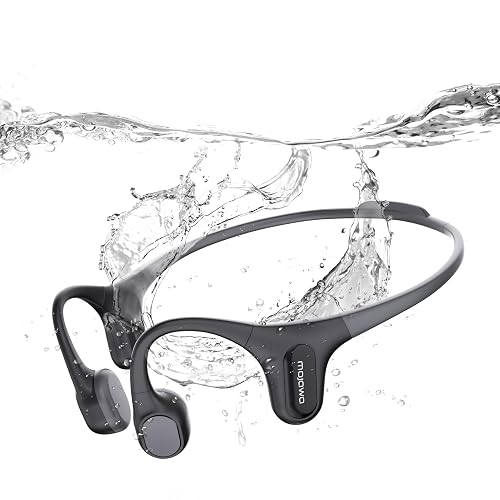
mojawa Run Plus Bone Conduction Headphones, IP68 Waterproof Open Ear Wireless Bluetooth Sports Headphones with 32GB MP3 for Running, Swimming, Cycling and Gym Workouts, Black (Renewed)
Product Overview
The mojawa Run Plus is a wireless sport headset in the bone-conduction category, sold on Amazon US as a renewed unit in black. Its listing emphasizes an IP68 waterproof rating, Bluetooth connectivity, and built-in 32GB MP3 storage for offline playback. Those three points define the product’s identity: it is meant to be used in wet, outdoor, and gym conditions, without a phone in hand.
Bone-conduction headphones send sound as vibrations through the skull to the inner ear. Because nothing sits inside or over the ear canal, you can still hear footsteps, car horns, and people speaking to you. This is the main reason runners choose this format. The trade-off is that sound leaks slightly to people nearby and that low-frequency bass is usually weaker than in sealed earbuds.
Since this is a renewed listing, the condition and included accessories can vary by seller. Check the seller’s description for the charging cable, warranty terms, and whether the unit has been fully reset before you pair it.
Key Features & Specifications
The table below lists only the features named in the product title and listing, plus general characteristics of the bone-conduction format. Confirm exact figures such as battery life and charging time on the current listing, as manufacturers update these.
| Feature | What the listing indicates | What it means for you |
|---|---|---|
| Headphone type | Open ear, bone conduction | Ear canal stays open; you can hear surroundings |
| Connectivity | Wireless Bluetooth | Pairs with phones and most Bluetooth devices |
| Water resistance | IP68 rated | Rated for submersion under the manufacturer’s stated depth and time limits; sweat and rain are well within range |
| Onboard storage | 32GB MP3 | Plays music without a phone, useful for running with no device |
| Intended uses | Running, swimming, cycling, gym workouts | Designed for active use rather than office listening |
| Color | Black | Single finish listed |
| Condition | Renewed | Previously owned or returned; verify seller grading and return window |
An IP68 rating is a sealed-enclosure standard. Manufacturers typically specify a maximum depth and duration for submersion, so treat the rating as protection against sweat, rain, and splashes rather than as permission for prolonged deep-water use. Pool swimming is listed as an intended use, but check the stated depth limits before you rely on it.
Pros & Cons
Pros
- Open-ear design keeps you aware of traffic, trail noise, and people approaching from behind.
- Rated for sweat, rain, and water exposure, which suits outdoor and pool workouts.
- Onboard 32GB MP3 storage allows phone-free running.
- Bluetooth connectivity works with common phones and fitness devices.
- Renewed listings can offer a lower-cost route into the format, though condition varies.
Cons
- Bass response is generally thinner than in sealed in-ear or over-ear models.
- Sound can be audible to people close by, especially at higher volumes.
- Renewed condition means cosmetic wear, battery health, and accessories may differ from new units.
- Fit depends on head size and shape; loose placement can reduce clarity.
- Not suited to noise isolation in loud gyms, trains, or busy streets.
Performance Analysis
Performance in bone-conduction headphones depends on three things: how firmly the transducers contact the skull, how loud you set the volume, and what you are listening to. Based on the format’s known characteristics and general patterns in owner discussions, most users find that mid-range vocals and podcast speech come through clearly, while electronic music with heavy sub-bass sounds flatter. This is a physics limit of the technology, not a flaw unique to any one brand.
Owners of open-ear sport models commonly report that clarity improves noticeably once the device is seated correctly, with the transducers placed just in front of the ear on the cheekbone rather than higher on the temple. Sweat can reduce grip, so many runners use a sport band or headband for stability during intervals.
Battery performance is another area to verify on the current listing. Bluetooth range is typically adequate for a phone in an armband or pocket, and MP3 playback removes the need for a connection altogether. Noise in windy conditions is a common complaint with open-ear designs, since the open ear lets wind reach the microphone and the ear directly.
Given the renewed condition, buyers should expect that battery capacity and sound consistency may not match a brand-new unit. Check return terms and test the pairing and playback as soon as the device arrives.
Who Should Buy This Product?
This headset suits runners and cyclists who use roads, sidewalks, or trails and want to keep situational awareness. It also fits people who swim or do outdoor HIIT and need a sealed, sweat-resistant device. Anyone who runs without a phone will appreciate the onboard storage.
You should skip this model if your main goal is immersive music, bass-heavy listening, or quiet commuting on a train. People with significant hearing loss may also find bone conduction less effective than amplified hearing options, and should speak with an audiologist before relying on any audio device for hearing support. Those who want a brand-new warranty without condition uncertainty may prefer buying new instead of renewed.
Buying Guide
Before you buy any bone-conduction headset for sport, check five things: the water-resistance rating and its stated limits, the battery life and charging method, whether onboard storage matters to you, the fit system, and the warranty or return policy. For a broader explanation of the format, see Open-Ear and Bone Conduction Headphones Explained.
Fit matters more than most buyers expect. Transducers should sit lightly on the cheekbone, slightly forward of the ear, with a snug band behind the head. A guide such as Where to Place Bone Conduction Headphones: A Step-by-Step Fit Guide walks through adjustment. If you run in cold weather, consider models with a secure neck or headband design.
Renewed purchases deserve extra care. Ask the seller for the grading, confirm the return window, and check that the charging cable and any accessories are included. Owners often recommend testing volume, Bluetooth pairing, and charging within the first day so any defect falls inside the return period.
Here are two well-known alternatives worth comparing:
- Raycon Bone Conduction Headphones – Open Ear Running Headphones & Bluetooth Earbuds, a sweat- and water-resistant open-ear option with a built-in mic, suited to runners who want calls as well as music.

Raycon Bone Conduction Headphones – Open Ear Running Headphones & Bluetooth Earbuds, Sweat & Water-Resistant with Mic (Gray)
- TOZO OpenEarRing Open Ear Earbuds, a lightweight clip-on design with Bluetooth 5.4 and a secure fit for workouts and driving, which suits people who prefer a clip over a headband.

Open Ear Clip On Wireless Earbuds with Smart Digital LED Display, Stable Connection, Secure Fit for Driving Workout Black TOZO OpenEarRing Open Ear Earbuds 40H Bluetooth 5.4 Lightweight Comfort
For more context on sport-focused models, see Top 6 Open Ear Bone Conduction Headphones for Running (2026) and Best Bone Conduction Headphones for Sports: 3 Models Compared.
FAQ
Are bone conduction headphones safe for running outdoors?
Yes, for most people. Because the ear canal stays open, you can hear traffic and other hazards. Keep volume moderate so you stay aware of your surroundings, and avoid listening at high volume for long periods.
Does IP68 mean I can wear these while swimming?
IP68 indicates resistance to submersion under conditions the manufacturer defines. Check the stated depth and time limits, and avoid prolonged deep-water use unless the listing clearly supports it.
How does the onboard 32GB storage work?
You load MP3 files onto the device, then play them without a phone. Confirm the file transfer method in the instructions that come with your unit, since it varies by model.
Why does sound seem quieter than my earbuds?
Bone conduction sends vibrations through the skull, which generally delivers less bass and lower perceived loudness at the same volume. Adjusting placement and using a higher volume setting, within safe limits, often helps.
Can other people hear what I’m listening to?
Some sound leakage is normal with open-ear designs, particularly at higher volumes in quiet places. It is less noticeable on a busy street or trail.
Are renewed headphones a good choice?
They can be, if the seller offers clear grading and a return window. Expect possible cosmetic wear and check battery performance quickly after delivery.
Should I consult a professional before buying for hearing support?
Yes. If you have hearing loss or ear health concerns, speak with an audiologist or doctor before relying on any headphone for hearing assistance.
Final Verdict
The mojawa Run Plus bone-conduction headphones make sense for runners, cyclists, and gym-goers who value awareness of their surroundings, sweat and water resistance, and phone-free storage. Their main limits are weaker bass, some sound leakage, and the uncertainty that comes with a renewed unit. If those trade-offs fit your routine, check the current listing and seller terms before you buy.
View on Amazon
Before you buy: helpful guides
About Ethan Brooks
Ethan Brooks is part of our editorial team and reviews and edits our headphone tech & types guides, checking product details against manufacturer specifications and owner feedback.