 By Ethan Brooks
Updated November 2026
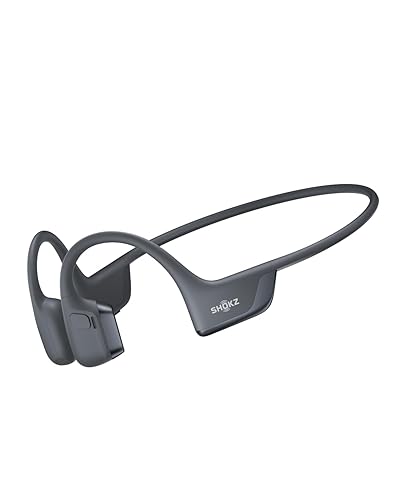
Bone conduction headphones send sound through your cheekbones instead of your ear canal, which is why they are popular with runners, cyclists and anyone who needs to hear traffic or a coach while listening to music. If you are looking at probenc bone conduction headphones or similar open-ear models, the choice usually comes down to fit, battery life, water and sweat resistance, microphone quality and how clearly the audio comes through at workout volume. This guide compares seven current listings from the same Amazon search, using those criteria and published specifications, owner feedback patterns and the features each listing states.
Our top picks at a glance
- 1
 TOP CHOICEBest overallBone Conduction Waterproof Headphones, 22g Open EarView on Amazon
- 2
 TOP CHOICEBest for long outingsRaycon Everyday Bone Conduction Headphones, 2nd GenView on Amazon
- 3
 TOP CHOICEBest for calls on the moveRaycon Bone Conduction Headphones, GrayView on Amazon
- 4
 Best for gym sessionsBone Conduction Headphones, 2026 Upgrade Matte BlackView on Amazon
- 5
 Best hybrid designOtium Bone Conduction Headphones, Hybrid StereoView on Amazon
- 6
 Best wired optionBone Conduction Wired Headphones with 3.5mm ConnectorView on Amazon
- 7
 Best budget pickLightweight Bluetooth 5.3 Sports Headphones, USB-CView on Amazon
Our Top Picks
Quick Comparison
| Product | Best for | Key feature |
|---|---|---|
| Bone Conduction Waterproof Headphones, 22g Open Ear | Running, cycling and workouts | 22g lightweight frame, 10-hour playtime |
| Raycon Everyday Bone Conduction Headphones, 2nd Gen | Long outings and commuting | IP67 rating, 16-hour battery life |
| Raycon Bone Conduction Headphones, Gray | Calls while on the move | Sweat and water resistance with dual mic |
| Bone Conduction Headphones, 2026 Upgrade Matte Black | Gym and outdoor workouts | Waterproof design with mic for calls |
| Otium Bone Conduction Headphones, Hybrid Stereo | Users who want richer sound | Hybrid bone and air drivers, IPX6 |
| Bone Conduction Wired Headphones with 3.5mm Connector | Wired use with no charging | 3.5mm plug and noise-cancelling mic |
| Lightweight Bluetooth 5.3 Sports Headphones | Budget-conscious buyers | IPX5 water resistance, USB-C charging |
Bone Conduction Waterproof Headphones, 22g Open Ear
Bone Conduction Waterproof Headphones , Bluetooth 6.0, 22g Lightweight Open Ear Headphones with Noise-Reducing Mic, Clear Balanced Audio, 10H Playtime, Water-Resistant for Running, Cycling & Workouts
Best for: Running, cycling and workouts where weight and fit matter most.
This is a general-purpose sport model for people who want a light frame that stays put during intervals, hill climbs or gym sessions. It suits buyers who expect to wear the headphones for an hour or more at a time.
Key specs:
- Weight: 22 grams (per listing)
- Bluetooth 6.0 connectivity (per listing)
- Playtime: about 10 hours (per listing)
- Water-resistant design for sweat and rain
- Noise-reducing microphone for calls
Pros:
- Very light, so pressure on the cheekbones is low for most users
- Long listed playtime for a sport model
- Clear positioning for running and cycling use
Cons:
- Bone conduction bass is naturally thinner than in-ear models
- Fit depends heavily on head size, so check the sizing before buying
Bottom line: A strong first choice for runners and cyclists who want light weight and a balanced all-round feature set.
Raycon Everyday Bone Conduction Headphones, 2nd Gen
IP67 Waterproof; 16H Battery Life; Dual Mic Call Clarity; Lightweight, Open-Ear Design; Running/Cycling/Commuting Raycon Everyday Bone Conduction Headphones, 2nd Gen, Black
Best for: Long outings and commuting where battery life and dust or water protection matter.
This model is aimed at people who want to go a full day without recharging and who need a dependable seal against sweat, rain and dust during commutes or hikes. A related read: 7 Best Exobone Bone Conduction Headphones for Running and Workouts (2026).
Key specs:
- IP67 rating (per listing)
- Battery life: 16 hours (per listing)
- Dual microphone for call clarity
- Lightweight open-ear design
Pros:
- IP67 rating covers dust and temporary immersion
- Very long stated battery life
- Dual mic setup suits calls outdoors
Cons:
- Heavier in feel than the lightest sport models
- Bass response is limited compared with over-ear headphones
Bottom line: The best fit for commuters and hikers who prioritize battery life and rugged protection.
Raycon Bone Conduction Headphones, Gray
Raycon Bone Conduction Headphones – Open Ear Running Headphones & Bluetooth Earbuds, Sweat & Water-Resistant with Mic (Gray)
Best for: Taking calls while moving outdoors.
This listing emphasizes sweat resistance and a microphone, making it a reasonable choice for people who take frequent calls on runs or walks and want to hear their surroundings.
Key specs:
- Open-ear bone conduction design
- Sweat and water resistance (per listing)
- Built-in microphone
Pros:
- Open-ear design keeps ambient sound audible
- Sweat resistance suits warm-weather training
- Simple, familiar Raycon styling
Cons:
- Specific battery and IP details are best confirmed on the listing
- Call quality in windy conditions can vary, as with most open-ear mics
Bottom line: A practical choice for people who make frequent calls while exercising outdoors.
Bone Conduction Headphones, 2026 Upgrade Matte Black
Bone Conduction Headphones, 2026 Upgrade Wireless Open-Ear Sports Headphones with Mic, Bluetooth Waterproof Earphones for Running, Cycling, Workout, Gift (Matte Black)
Best for: Gym and outdoor workouts where the headphones need to handle sweat.
This wireless open-ear model with a built-in mic is designed for workouts and general outdoor use, including gift-buying for active users.
Key specs:
- Wireless open-ear sports design
- Waterproof construction (per listing)
- Built-in microphone
Pros:
- Matte black finish that suits gym use
- Waterproof positioning for sweaty sessions
- Open-ear design keeps you aware of traffic and people
Cons:
- Generic listing, so verify the exact IP rating and battery life
- Sound profile details are limited compared with branded competitors
Bottom line: A good pick for gym-goers who want a waterproof open-ear model and are comfortable checking specs before buying.
Otium Bone Conduction Headphones, Hybrid Stereo
Hybrid Bone & Air Drivers Open Ear Earbuds, Bluetooth 6.0, AI Music App, 12H Playtime, IPX6 Waterproof, Running Headphones Otium Bone Conduction Headphones, 2026 Hybrid Stereo Open Ear Headphones
Best for: Users who want fuller sound than standard bone conduction models usually provide.
This hybrid design combines bone and air drivers, which owners often describe as giving more low-end presence than pure bone conduction models. It also suits people who want an app-based music experience.
Key specs:
- Hybrid bone and air drivers (per listing)
- Bluetooth 6.0
- Playtime: 12 hours (per listing)
- IPX6 waterproof rating (per listing)
Pros:
- Hybrid drivers can sound fuller than pure bone conduction
- IPX6 rating covers heavy sweat and rain
- Companion app for music control
Cons:
- Air drivers slightly reduce the open, ambient feel
- Requires the app for some features, which adds setup steps
Bottom line: Best for listeners who care about sound quality and want an open-ear design with a bit more bass.
Bone Conduction Wired Headphones with 3.5mm Connector
Bone Conduction Wired Headphones with Noise Cancelling Mic 3.5mm Connector Sweat Resistant Headphones for Cycling Running and Other Sports (Black)
Best for: Wired use where you never want to charge.
A wired model with a 3.5mm plug works with most phones that have a headphone jack, and it removes battery concerns entirely. It is a sensible choice for people who want a simple, dependable sport setup.
Key specs:
- 3.5mm wired connector
- Noise-cancelling microphone (per listing)
- Sweat-resistant construction (per listing)
Pros:
- No battery to charge
- Low latency compared with Bluetooth
- Works with many older devices
Cons:
- The cable can snag during running or cycling
- Less convenient for buyers using phones without a headphone jack
Bottom line: A solid choice for anyone who wants a no-charging setup and has a device with a 3.5mm jack.
Lightweight Bluetooth 5.3 Sports Headphones, USB-C
Lightweight Bluetooth 5.3 Sports Headphones for Running, Cycling, Workouts and Calls, IPX5 Water Resistance, USB-C Charging Bone Conduction Headphones, Wireless Open Ear Headphones with Mic
Best for: Budget-conscious buyers who still want Bluetooth and sweat protection.
This model covers the basics: Bluetooth connectivity, water resistance and USB-C charging. It suits people trying open-ear audio for the first time.
Key specs:
- Bluetooth 5.3 (per listing)
- IPX5 water resistance (per listing)
- USB-C charging
- Built-in microphone
Pros:
- USB-C charging matches most modern phones and cables
- IPX5 covers sweat and light rain
- Lightweight and simple to set up
Cons:
- IPX5 is less protective than IPX6 or IP67 for heavy immersion
- Battery and sound details are less specific in the listing name
Bottom line: A sensible entry point for first-time bone conduction buyers who mainly need sweat resistance.
Buying Guide
Fit and Head Size
Bone conduction headphones rest on the cheekbones in front of the ear, so fit affects both comfort and sound. Most manufacturers recommend placing the transducers just in front of the ear canal, not on the ear itself. Measure the band length against your head circumference and check whether the listing offers adjustment or only one size. Too loose and the sound thins out; too tight and the pressure becomes uncomfortable after 30 minutes or more.
Good picks for this: Bone Conduction Waterproof Headphones, 22g Open Ear; Raycon Everyday Bone Conduction Headphones, 2nd Gen
Water and Sweat Resistance
Check the stated rating before you buy. IPX5 covers sweat and light rain, IPX6 covers strong water jets, and IP67 adds temporary immersion protection against dust and water. If you swim, bone conduction headphones are generally not designed for submersion, so look for explicit swim-rated listings and read the manufacturer’s instructions.
Good picks for this: Otium Bone Conduction Headphones, Hybrid Stereo; Lightweight Bluetooth 5.3 Sports Headphones, USB-C
Battery Life and Charging
Listed playtime varies widely, and real-world numbers often come in lower at higher volume. For multi-hour sessions, look for models with 10 hours or more on the spec sheet. USB-C charging is more convenient than older micro-USB connectors because one cable works across most current phones and laptops. For a deeper look, 7 Best Bone Conduction Headphones for Running Reddit Users Compare (2026) covers this in detail.
Good picks for this: Raycon Everyday Bone Conduction Headphones, 2nd Gen; Otium Bone Conduction Headphones, Hybrid Stereo
Microphone and Call Quality
Open-ear designs place the microphone close to the mouth, which can help, but wind and traffic noise still affect call clarity. Dual-mic setups and noise-reducing mics generally perform better in outdoor conditions. If you take calls often, test the mic in a quiet room with a friend before relying on it during a run.
Good picks for this: Raycon Bone Conduction Headphones, Gray; Bone Conduction Headphones, 2026 Upgrade Matte Black
Wired Versus Wireless
Wireless models give you freedom of movement and cleaner cable routing, while wired models avoid charging entirely and usually have lower latency. The cable on a wired model can catch on clothing or equipment, so consider how you move during your typical activity before choosing.
Good picks for this: Bone Conduction Wired Headphones with 3.5mm Connector; Lightweight Bluetooth 5.3 Sports Headphones, USB-C
Sound Quality Expectations
Bone conduction delivers sound differently from in-ear or over-ear designs. Bass is typically lighter, and volume can leak slightly in quiet rooms. Hybrid designs that combine bone and air drivers aim to add more low-end presence. Set your expectations around clarity and awareness rather than full-range audiophile sound.
Good picks for this: Otium Bone Conduction Headphones, Hybrid Stereo; Bone Conduction Waterproof Headphones, 22g Open Ear
Care and Durability
Rinse sweaty headphones with fresh water after workouts and dry them with a soft cloth. Avoid hot cars and do not store them in damp bags, since moisture can reach the charging port over time. Check the charging-port cover after each use and keep it seated. Manufacturers usually publish guidance on cleaning in the included manual, so follow that for warranty purposes.
Good picks for this: Raycon Everyday Bone Conduction Headphones, 2nd Gen; Bone Conduction Headphones, 2026 Upgrade Matte Black
FAQ
What are probenc bone conduction headphones?
The term generally refers to bone conduction headphones sold under the probenc name or similar open-ear listings. They transmit audio through vibrations on the cheekbones, leaving the ear canal open so you can hear surrounding sounds. Check each listing for its specific specs, since features vary by model.
Are bone conduction headphones safe for hearing?
They avoid placing a speaker in the ear canal, which many users find helpful for awareness. However, any headphones can contribute to hearing loss at high volume for long periods. The Centers for Disease Control and Prevention and the National Institute on Deafness and Other Communication Disorders recommend keeping volume moderate. If you have hearing concerns, consult an audiologist.
Can I swim with bone conduction headphones?
Most sport models are water-resistant, not designed for swimming. Only use them in the pool if the manufacturer explicitly rates them for swimming, and follow the listed instructions closely.
How long do bone conduction headphones usually last on a charge?
Listed playtimes range from roughly 8 to 16 hours depending on the model. Real-world battery life tends to be shorter at higher volume and when using calls or the microphone heavily. You may also like 6 Best Pyle Bone Conduction Headphones of 2026.
Do bone conduction headphones work with glasses?
Many people wear them with glasses, though the arms of the glasses can affect fit on the cheekbone. Look for a band design that leaves room for your frames, and try a few positions to find the most comfortable and clear placement.
Is the microphone good enough for phone calls?
Call quality depends on the mic design, the environment and your distance from the mouth. Dual-mic models usually handle background noise better. For important calls outdoors, test the setup beforehand and speak clearly.
Should I choose wired or wireless?
Choose wireless if you want freedom of movement and do not mind charging. Choose wired if you want zero charging and you have a device with a 3.5mm jack. Both options can deliver good open-ear audio.
Conclusion
Among these seven listings, the Bone Conduction Waterproof Headphones, 22g Open Ear suit runners and cyclists who want a light frame and long listed playtime. The Raycon Everyday Bone Conduction Headphones, 2nd Gen fit commuters and hikers who value battery life and IP67 protection. The Otium hybrid model is a good match for listeners who want fuller sound, while the wired 3.5mm option suits people who never want to charge. The Lightweight Bluetooth 5.3 model offers a practical starting point for budget-conscious buyers. Compare the stated specs against your activity and head size before deciding.
Sources
- Guidance on safe listening volume and how long to use headphones at high levels (cdc.gov)
- Information on hearing health, noise exposure and when to see a professional (nidcd.nih.gov)
- Research reports on noise exposure and hearing loss prevention
Related reading
- Open-Ear and Bone Conduction Headphones Explained
- Best Bone Conduction Headphones for Sports: 3 Models Compared
- Xiaomi Bone Conduction Headphones Pairing: Step-by-Step Guide (2026)
- Wireless Bone Conduction Headphones UK: How to Choose the Right Pair (2026)
- Wireless Bone Conduction Headphones Aftershokz: 5 Best Picks Compared (2026)
About Ethan Brooks
Ethan Brooks is part of our editorial team and reviews and edits our headphone tech & types guides, checking product details against manufacturer specifications and owner feedback.