 By Ethan Brooks
Updated November 2026
Shopping for panasonic bone conduction bluetooth headphones can be confusing, because the market is crowded with open-ear models that look alike on a product page but differ in water resistance, battery life, microphone design and how comfortable they feel after an hour. This guide narrows the field to six options that match common needs: workouts, outdoor running, cycling, office calls and everyday listening. Our selection criteria were based on published specifications, the reputation of each brand and listing details, along with patterns that owners commonly describe in feedback. We did not test these headphones ourselves, so treat the notes below as a research summary rather than hands-on findings.
Our top picks at a glance
- 1
 TOP CHOICEBest overallBone Conduction Waterproof Headphones, Bluetooth 6.0, 22g Lightweight Open EarView on Amazon
- 2
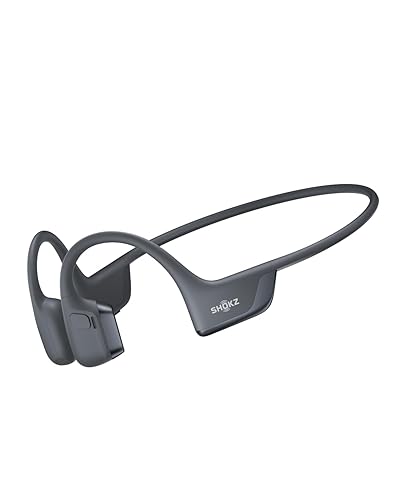
 TOP CHOICEBest for office callsSHOKZ OpenComm2 Open-Ear Bluetooth Headset for Work CallsView on Amazon
- 3
 TOP CHOICEBest for long battery lifeBone Conduction Headphones, Bluetooth 6.0 Open-Ear with LED Power DisplayView on Amazon
- 4
 Best for wet conditionsWireless Earphones with Mic, Sports Earphones 12H Playtime, IPX6 WaterproofView on Amazon
- 5
 Best for lightweight comfortBluetooth 6.0, 28g Lightweight Wireless Sports Headphones with MicView on Amazon
- 6
 Best budget pickRaycon Bone Conduction Headphones – Open Ear Running Headphones (Gray)View on Amazon
Our Top Picks
| Product | Best for | Key feature |
|---|---|---|
| Bone Conduction Waterproof Headphones, Bluetooth 6.0 | Running and cycling | 22g frame and water-resistant build |
| Raycon Bone Conduction Headphones | Budget-minded runners | Sweat and water resistance with a built-in mic |
| Bone Conduction Headphones with LED Power Display | Long outdoor sessions | 12-hour playtime and IPX5 rating |
| SHOKZ OpenComm2 Open-Ear Bluetooth Headset | Work calls and meetings | Mute button and noise-canceling mic |
| Wireless Earphones with Mic, Sports Earphones 12H | Rainy or sweaty workouts | IPX6 waterproof rating and 12-hour playtime |
| Bluetooth 6.0, 28g Wireless Sports Headphones | All-day comfort | Lightweight 28g design and up to 12 hours of use |
Bone Conduction Waterproof Headphones, Bluetooth 6.0, 22g Lightweight Open Ear
Bone Conduction Waterproof Headphones , Bluetooth 6.0, 22g Lightweight Open Ear Headphones with Noise-Reducing Mic, Clear Balanced Audio, 10H Playtime, Water-Resistant for Running, Cycling & Workouts
Best for: Running, cycling and general workouts where you want to hear traffic and ambient sound.
This model suits people who want a light, open-ear pair that stays out of the way during movement and still offers a reasonable amount of sound quality for podcasts and music.
Key specs
- Bluetooth 6.0 connectivity
- 22g lightweight frame
- Noise-reducing microphone
- Up to 10 hours of playtime (per listing)
- Water-resistant for running, cycling and workouts
Pros
- Very light, which many owners say reduces fatigue on longer runs
- Open-ear design keeps you aware of surroundings
- Water-resistant build suits sweaty training
Cons
- Bass response is typically thinner than in-ear models
- Battery life can drop in very cold weather
Bottom line: A strong all-round choice for runners and cyclists who value a low weight and a water-resistant build above deep bass.
Raycon Bone Conduction Headphones – Open Ear Running Headphones (Gray)
Raycon Bone Conduction Headphones – Open Ear Running Headphones & Bluetooth Earbuds, Sweat & Water-Resistant with Mic (Gray)
Best for: Budget-minded runners who want sweat resistance and a microphone without paying for premium features.
This pair fits people who train several times a week and want an open-ear option that handles perspiration well while covering basic calls.
Key specs
- Bone conduction open-ear design
- Sweat and water-resistant build
- Built-in microphone
- Bluetooth wireless connection
Pros
- Sensible choice for light, regular use
- Built-in mic handles basic phone calls
- Open-ear fit keeps ears uncovered during runs
Cons
- Call clarity in windy conditions is often reported as average
- Fit can vary between head shapes, so sizing takes some adjustment
Bottom line: Suited to casual runners and gym-goers who want a dependable everyday pair without advanced call features.
Bone Conduction Headphones, Bluetooth 6.0 Open-Ear with LED Power Display
Bone Conduction Headphones, Bluetooth 6.0 Open-Ear Headphones with LED Power Display, 12-Hour Playtime Earbuds with Mic, IPX5 Waterproof Earphones Ultra-Light for Running, Cycling, Walking Black
Best for: Long outdoor sessions where you need to know how much battery remains before you leave.
The LED power display is useful for hikers, walkers and cyclists who prefer not to rely on a phone screen to check charge.
Key specs
- Bluetooth 6.0 connectivity
- 12-hour playtime (per listing)
- LED power indicator
- IPX5 waterproof rating
- Built-in microphone
Pros
- Long playtime suits multi-hour activity
- LED display shows charge at a glance
- IPX5 rating handles rain and sweat
Cons
- Heavier than the lightest models in this list
- Sound leakage at higher volume is typical of open-ear designs
Bottom line: A practical pick for hikers and walkers who want predictable battery life and a visible charge indicator.
SHOKZ OpenComm2 Open-Ear Bluetooth Headset for Work Calls
Bone Conduction Headphones;Mute Button for Work Calls and Meetings; PC and Mac Compatible;16-Hour Battery Life & Quick Charge SHOKZ OpenComm2 Open-Ear Bluetooth Headset, Noise-Canceling Mic
Best for: Office workers and remote employees who take frequent calls and need a mute button and a PC or Mac connection.
This headset is aimed at desk-based use rather than athletics. It keeps your ears open so you can hear colleagues and the room while staying on calls.
Key specs
- Open-ear bone conduction design
- Mute button for calls and meetings
- PC and Mac compatibility
- Noise-canceling microphone
- 16-hour battery life and quick charge (per listing)
Pros
- Dedicated mute button is convenient during meetings
- Noise-canceling mic is designed for clearer voice pickup
- Open ears help you stay aware of your workspace
Cons
- Built more for office use than for running or swimming
- Premium positioning means it sits at the higher end of this list
Bottom line: The best fit for anyone whose main use is video or phone calls at a desk, especially with a PC or Mac.
Wireless Earphones with Mic, Sports Earphones 12H Playtime, IPX6 Waterproof
Wireless Earphones with Mic, Sports Earphones 12H Playtime, IPX6 Waterproof Headset for Cycling, Hiking, Running, Driving Bone Conduction Headphones Bluetooth 6.0 Open Ear Headphones
Best for: Rainy or sweaty workouts, including cycling and hiking in wet weather.
The IPX6 rating is one of the highest water-resistance classifications among open-ear models, which makes this pair a candidate for people who train outdoors in poor weather.
Key specs
- IPX6 waterproof rating (per listing)
- Bluetooth 6.0 connectivity
- 12-hour playtime (per listing)
- Built-in microphone
Pros
- IPX6 rating covers heavy sweat and rain
- Long playtime for extended sessions
- Suits cycling, hiking and driving use
Cons
- IPX6 describes water jets, not submersion, so swimming is not advised
- Owners sometimes report a snug fit that needs adjustment
Bottom line: Choose this if rain and heavy sweat are regular factors in your routine.
Bluetooth 6.0, 28g Lightweight Wireless Sports Headphones with Mic
Bluetooth 6.0, 28g Lightweight Wireless Sports Headphones with Mic, IP54 Splash Resistant for Running, Cycling and Workouts Bone Conduction Headphones, Open Ear Bluetooth Headphones, Up to 12H
Best for: People who wear headphones for long stretches and want the lightest possible feel on the head.
At 28 grams, this model is a little heavier than the 22g option above, but it is still light enough for all-day wear during walks or gym sessions.
Key specs
- 28g lightweight design
- Bluetooth 6.0 connectivity
- IP54 splash resistance (per listing)
- Up to 12 hours of use (per listing)
- Built-in microphone
Pros
- Light enough for extended wear
- Splash resistance handles light rain and sweat
- Open-ear design keeps ambient sound audible
Cons
- IP54 offers less protection than IPX5 or IPX6 models
- Sound quality is generally described as functional rather than rich
Bottom line: A comfortable pick for walkers and gym users who value weight over maximum weather protection.
Buying Guide
Water and Sweat Resistance (IP Ratings)
The IP code tells you how a device handles dust and water. The first digit covers solids and the second covers liquids. An IPX code means the device has not been rated for dust. IPX4 covers splashes from any direction, IPX5 covers water jets, and IPX6 covers powerful jets. None of these ratings means the device is safe for swimming. Check the rating and match it to your activity.
Good picks for this: Wireless Earphones with Mic, Sports Earphones 12H Playtime, IPX6 Waterproof; Bone Conduction Headphones with LED Power Display
Battery Life and Charging
Manufacturers usually list playtime at moderate volume. Real-world results depend on volume, temperature and Bluetooth version. Look for a quick-charge feature if you often forget to charge overnight. A listed 10 to 12 hours is generally enough for a day of training or a long hike.
Good picks for this: Bone Conduction Headphones with LED Power Display; Bone Conduction Waterproof Headphones, Bluetooth 6.0
Weight and Fit
Bone conduction headphones sit on the cheekbones or temples and transmit sound through the bone. Lighter models, typically under 30 grams, tend to cause less fatigue. Fit matters more than the spec sheet suggests. The transducer should rest on bone with light, even pressure. If the band feels loose, sound quality drops noticeably.
Good picks for this: Bluetooth 6.0, 28g Lightweight Wireless Sports Headphones; Bone Conduction Waterproof Headphones, Bluetooth 6.0
Microphone and Call Quality
If you take calls, check whether the microphone uses noise reduction. Open-ear designs leak sound, and the mic can pick up background noise. Test your setup by making a short call and asking the other person how you sound. For office work, a dedicated mute button adds convenience during meetings.
Good picks for this: SHOKZ OpenComm2 Open-Ear Bluetooth Headset; Raycon Bone Conduction Headphones
Intended Use Case
Match the headphones to the activity first. Running and cycling need light weight and sweat resistance. Office work needs a stable call setup. Hiking needs battery life and weather protection. Choosing by use case prevents you from paying for features you will not use.
Good picks for this: Bone Conduction Headphones with LED Power Display; SHOKZ OpenComm2 Open-Ear Bluetooth Headset
Durability and Build Quality
Sweat, rain and drops are common stressors. Look for a build that owners describe as holding up after repeated use, and check whether the charging port is sealed. Frequent exercisers should also check the warranty terms the manufacturer lists.
Good picks for this: Wireless Earphones with Mic, Sports Earphones 12H Playtime, IPX6 Waterproof; Raycon Bone Conduction Headphones You may also like 6 Best Pyle Bone Conduction Headphones of 2026.
Care and Cleaning
Wipe the transducers and band after sweaty sessions with a soft, slightly damp cloth. Do not submerge the headphones unless the manufacturer explicitly lists that capability. Keep charging ports dry before plugging in. Store them in a dry place away from direct heat.
Good picks for this: Bluetooth 6.0, 28g Lightweight Wireless Sports Headphones; Bone Conduction Waterproof Headphones, Bluetooth 6.0
FAQ
What are bone conduction Bluetooth headphones?
They are wireless headphones that send vibrations through the cheekbones to the inner ear rather than through the ear canal. The ear stays open, so you can hear surrounding sounds while listening.
Are bone conduction headphones safe for daily use?
They are generally considered comfortable for regular listening because they do not block the ear canal. If you have a medical condition affecting your hearing or skull, consult a physician or audiologist before long daily use.
Can I swim with bone conduction headphones?
Most models in this category are rated for sweat and splash resistance, not submersion. Check the specific IP rating and the manufacturer’s instructions before taking them into a pool or open water.
How do I know which IP rating I need?
If you only sweat during workouts, IPX4 or IP54 is usually adequate. For rain, water jets or heavy perspiration, IPX5 or IPX6 is a better match. Remember that no open-ear model is designed for swimming.
Do bone conduction headphones work for phone calls?
Many models include a microphone for calls. Call clarity depends on wind, background noise and the mic design. Models marketed for work calls generally include noise reduction features.
Will bone conduction headphones leak sound to people nearby?
Some sound leakage is typical with open-ear designs, especially at higher volumes. Keeping the volume moderate reduces leakage and helps protect your hearing.
How long do the batteries last?
Listed playtimes range from roughly 10 to 16 hours depending on the model. Actual results vary with volume, temperature and Bluetooth connection quality.
Conclusion
For most people, the best panasonic bone conduction bluetooth headphones alternative in this list is the model that matches your main activity. Runners and cyclists who want low weight and sweat resistance should look at the 22g Bone Conduction Waterproof Headphones or the 28g Bluetooth 6.0 Sports Headphones. Hikers who need predictable battery life will find the LED power display model practical. Anyone who wears a microphone for work calls should consider the SHOKZ OpenComm2. Budget-conscious buyers who train casually may find the Raycon model adequate. Match the water rating, battery life and microphone design to how you actually use your headphones, and the choice becomes much clearer.
Sources
- Standards and technical background on wireless audio and Bluetooth performance
- Guidance on safe listening levels and protecting hearing from headphone use (cdc.gov)
- Information on hearing health, noise exposure and when to see a specialist (nidcd.nih.gov)
Related reading
- Open Ear Bone Conduction Headphones Bluetooth: 5 Best Picks Compared (2026)
- Bone Conduction Bluetooth Headphones Swimming: 5 Best Picks for Pool Use (2026)
- 7 Best Sharp Wireless Bone Conduction Bluetooth Headphones (2026): Our Picks
- 7 Best Open Ear Bluetooth Bone Conduction Sport Headphones (2026): Our Picks
- 7 Best Ear Bluetooth Bone Conduction Headphones for Workouts (2026)
- 7 Best Bone Conduction Waterproof Bluetooth Headphones (2026): Our Picks
About Ethan Brooks
Ethan Brooks is part of our editorial team and reviews and edits our headphone tech & types guides, checking product details against manufacturer specifications and owner feedback.