 By Ethan Brooks
Updated November 2026
Shoppers looking for sharp wireless bone conduction Bluetooth headphones usually want three things: clear sound that doesn’t block their ears, a battery that lasts through a long session, and enough water resistance to survive sweat and rain. This list compares seven models on those points, using manufacturer specifications, listing details and common owner feedback patterns rather than our own testing.
Our top picks at a glance
- 1
 TOP CHOICEBest overallBone Conduction Waterproof HeadphonesView on Amazon
- 2
 TOP CHOICEBest for long battery lifeBone Conduction Open Ear HeadphonesView on Amazon
- 3
 TOP CHOICEBest for calls and office useBone Conduction Headphones;Mute Button for Work Calls and Meetings; PCView on Amazon
- 4
 Best for a lightweight fitLightweight Bluetooth 5.3 Sports HeadphonesView on Amazon
- 5
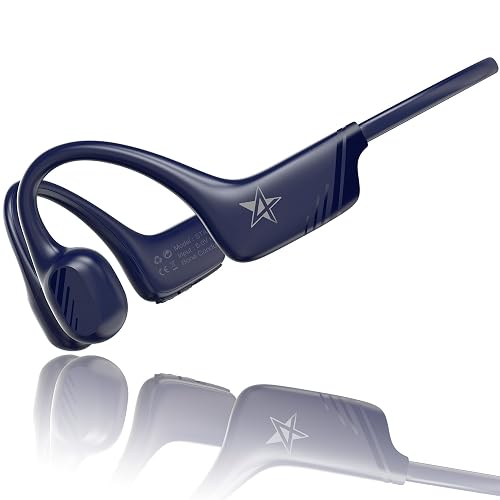 Best for budget-minded buyersOpen-Ear Bluetooth Bone Conduction Sport HeadphonesView on Amazon
- 6
 Best for a fast-charging setupBone Conduction Headphones, Wireless Bluetooth Open-Ear Sports Headphones with MicView on Amazon
- 7
 Best for a recognizable brandRaycon Bone Conduction HeadphonesView on Amazon
Our Top Picks
Quick Comparison
| Product | Best for | Key feature |
|---|---|---|
| Bone Conduction Waterproof Headphones | Running and cycling | 10-hour playtime, noise-reducing mic |
| Bone Conduction Headphones with Mic | Outdoor sport | Type-C quick charging |
| Open-Ear Bluetooth Bone Conduction Sport Headphones | Fitness workouts | Sweat-resistant, built-in mic |
| Raycon Bone Conduction Headphones | Daily running | Sweat and water-resistant |
| Lightweight Bluetooth 5.3 Sports Headphones | Calls on the move | IPX5 rating, Bluetooth 5.3 |
| Bone Conduction Open Ear Headphones | Long sessions | 12-hour playback, IPX5 |
| SHOKZ OpenComm2 | Office calls | Noise-canceling mic, mute button |
Bone Conduction Waterproof Headphones
Bone Conduction Waterproof Headphones , Bluetooth 6.0, 22g Lightweight Open Ear Headphones with Noise-Reducing Mic, Clear Balanced Audio, 10H Playtime, Water-Resistant for Running, Cycling & Workouts
Best for: Running and cycling
This is a good fit for runners who want a light frame and a clear, balanced sound without sealing the ear canal. The listing cites roughly 10 hours of playtime and a noise-reducing microphone. 6 Best Bone Conduction Hi Tech Headphones Wireless Bluetooths (2026) goes further into this.
Pros
- Listing lists about 22 grams, which suits long runs
- Noise-reducing mic helps calls in wind
Cons
- Owners sometimes report a need to readjust the band during hard efforts
Bone Conduction Headphones, Wireless Bluetooth Open-Ear Sports Headphones with Mic
Bone Conduction Headphones, Wireless Bluetooth Open-Ear Sports Headphones with Mic, Type-C Quick Charging Long Battery Life, Waterproof Earphones for Running, Walking, Cycling, Workout, Gift
Best for: Outdoor sport with fast top-ups
Suited to people who charge between errands and want a short plug-in to get back to a session. The listing highlights Type-C quick charging and a long battery.
Pros
- Type-C charging is widely compatible with modern phones
- Built-in mic for hands-free calls
Cons
- Some owners note the fit varies with head size
Open-Ear Bluetooth Bone Conduction Sport Headphones
Open-Ear Bluetooth Bone Conduction Sport Headphones Sweat Resistant Wireless Earphones Open Ear Earbuds Wireless Bluetooth Headset with Mic for Fitness Workouts Running,Built-in Mic, Blue
Best for: Fitness workouts
A practical choice for gym sessions where sweat is the main concern. The listing describes sweat resistance and a built-in mic in a blue color option.
Pros
- Sweat-resistant construction suits heavy training
- Simple open-ear design keeps you aware of surroundings
Cons
- Bass is naturally limited in bone conduction designs
Raycon Bone Conduction Headphones
Raycon Bone Conduction Headphones – Open Ear Running Headphones & Bluetooth Earbuds, Sweat & Water-Resistant with Mic (Gray)
Best for: Daily running
Works well for runners who want a recognizable brand with sweat and water resistance and a mic for calls. It is a straightforward option for everyday outdoor use.
Pros
- Sweat and water-resistant build for rain runs
- Built-in mic supports basic calls
Cons
- Owners sometimes mention the band can feel snug at first
Lightweight Bluetooth 5.3 Sports Headphones
Lightweight Bluetooth 5.3 Sports Headphones for Running, Cycling, Workouts and Calls, IPX5 Water Resistance, USB-C Charging Bone Conduction Headphones, Wireless Open Ear Headphones with Mic
Best for: Calls on the move
Aimed at people who take calls while cycling or walking and want a current Bluetooth version. The listing cites an IPX5 water-resistance rating.
Pros
- Bluetooth 5.3 supports a stable connection
- IPX5 rating covers splashes and sweat
Cons
- IPX5 is not designed for submersion
Bone Conduction Open Ear Headphones
Bone Conduction Open Ear Headphones, Bluetooth V6.0 Wireless Sport Earbuds with Built-in Mic, 12H Playback, IPX5 Waterproof, Ideal for Running, Cycling, Gym & Outdoor Activities
Best for: Long sessions
Suited to people who train for hours and want a battery that lasts. The listing cites up to 12 hours of playback and an IPX5 waterproof rating.
Pros
- Listing cites up to 12 hours of playback
- IPX5 rating for sweat and rain
Cons
- Some owners find the ear hooks take time to get comfortable
Buying Guide
Sound Quality and Clarity
Bone conduction headphones send sound through your cheekbones rather than your eardrums, so they naturally leave your ear canals open. Clarity depends on how well the driver reproduces mid and high frequencies, so look for listing details that mention balanced or clear audio, especially if you plan to listen to podcasts or music while staying aware of your surroundings.
Battery Life and Charging
Battery life varies widely across this category, and manufacturer claims often reflect ideal conditions at moderate volume. If you train for long sessions, favor models with a longer rated playtime and a quick-charge option, which can give you a useful amount of listening time from a short top-up.
Water and Sweat Resistance
Ratings such as IPX5 indicate protection against water jets, which covers sweat, rain and splashes during most workouts. Check the rating printed in the listing, and keep in mind that water resistance is not the same as full waterproofing for swimming or submersion.
Microphone Quality and Call Features
If you take calls during commutes, meetings or workouts, a built-in microphone with noise reduction makes a noticeable difference in how clearly others hear you. Some models also include a mute button or PC and Mac compatibility, which matter more for office use than for the gym.
Comfort, Weight and Fit
Because bone conduction headphones rest on the cheekbones, weight and band tension strongly affect comfort over time. Lighter designs are generally easier to wear during long runs or rides, while a secure fit helps keep the headphones in place when you move quickly.
FAQ
Do bone conduction headphones really work for running?
Yes, they are a popular choice for runners and cyclists because the open-ear design lets you hear traffic, footsteps and other people around you. Fit and water resistance matter most for consistent performance during sweaty, outdoor sessions.
Can bone conduction headphones be used for phone calls?
Most models in this category include a built-in microphone for calls, and some add noise-reducing features to help your voice come through in noisy places. Call quality can still vary with wind and background sound, so test your setup before an important call.
Will bone conduction headphones leak sound to people nearby?
Sound leakage is generally lower than with in-ear or over-ear designs, but it is not zero, especially at higher volume. Keeping the volume moderate is the easiest way to stay considerate in quiet spaces such as offices or libraries. For a deeper look, Who Makes the Best Bone Conduction Headphones? 6 Top Picks (2026) covers this in detail.
Are bone conduction headphones good for people with hearing loss?
Bone conduction can be useful for some people with certain types of hearing difficulty because it bypasses the outer and middle ear, but results differ from person to person. If hearing is a concern, consult a hearing professional before relying on any device for that purpose.
How do I keep bone conduction headphones fitting securely?
Adjust the band so the transducers rest lightly on your cheekbones just in front of your ears, without pressing hard. Check the fit after a few minutes of movement, since small adjustments often make a big difference in both comfort and sound.
Conclusion
If you want the most sound clarity and a compact feel for daily workouts, choose a lightweight model with balanced audio and a solid water rating. If you need long battery life or frequent calls, look for the models that emphasize playtime, quick charging and a noise-reducing microphone.
For office work or video meetings, a model with a mute button and PC and Mac compatibility is the better fit. Match the features to how you actually plan to use your headphones, and the right pick will usually become clear.
Related reading
- Top 5 Sharp Wireless Bone Conduction Headphones Compared (2026)
- 6 Best Open-Ear Bluetooth Wireless Bone Conduction Sport Headphones (2026)
- Wireless Bone Conduction Headphones UK: How to Choose the Right Pair (2026)
- Wireless Bone Conduction Headphones Aftershokz: 5 Best Picks Compared (2026)
- Shokz Openmove Bone Conduction Wireless Headphones Gray: A Practical Guide (2026)
About Ethan Brooks
Ethan Brooks is part of our editorial team and reviews and edits our headphone tech & types guides, checking product details against manufacturer specifications and owner feedback.


