 By Ethan Brooks
Updated November 2026
Readers searching for homemade bone conduction headphones usually want one of two things: a way to build an open-ear listening device themselves, or a sensible alternative that skips the soldering. This list covers the second path. It compares seven ready-made bone conduction models that users commonly pick up as a DIY replacement, judged on fit and comfort, transducer design, battery life, water and sweat resistance, microphone quality and how easy each pair is to pair and charge. Specifications come from manufacturer listings and the patterns owners tend to describe, not from any testing of our own.
Our top picks at a glance
- 1
 TOP CHOICEBest overallBone Conduction Waterproof Headphones, Bluetooth 6.0View on Amazon
- 2
 TOP CHOICEBest for small kitchensBone Conduction Headphones, Bluetooth 6.0 Open-EarView on Amazon
- 3
 TOP CHOICEBest for dense audio on the moveRaycon Bone Conduction Headphones (Gray)View on Amazon
- 4
 Best for outdoor hikingWaterproof Open-Ear Bone Conduction HeadphonesView on Amazon
- 5
 Best for commutingRaycon Everyday Bone Conduction Headphones, 2nd GenView on Amazon
- 6
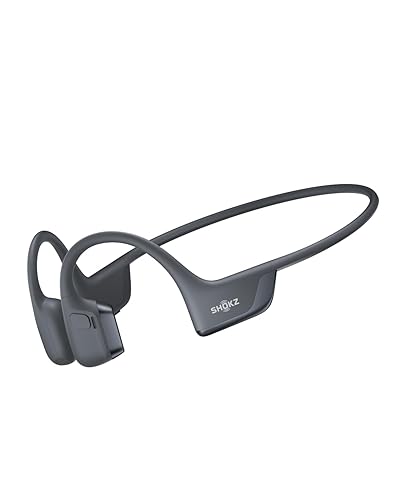 Best for serious workoutsSHOKZ OpenRun Pro 2View on Amazon
- 7
 Best budget pickWireless Earphones with Mic, Sports EarphonesView on Amazon
Our Top Picks
Quick Comparison
| Product | Best for | Key feature |
|---|---|---|
| Bone Conduction Waterproof Headphones, Bluetooth 6.0 | Running and cycling | Listed 22g weight and 10-hour playtime |
| Bone Conduction Headphones, Bluetooth 6.0 Open-Ear | Small kitchens and everyday use | LED power display and IPX5 rating |
| Raycon Bone Conduction Headphones (Gray) | Dense audio on the move | Sweat and water resistance with mic |
| Waterproof Open-Ear Bone Conduction Headphones | Outdoor hiking | Stable connection and long battery life |
| Raycon Everyday Bone Conduction Headphones, 2nd Gen | Commuting | IP67 rating and dual mic call clarity |
| SHOKZ OpenRun Pro 2 | Serious workouts | IP55 rating and 12-hour battery |
| Wireless Earphones with Mic, Sports Earphones | Budget-minded buyers | IPX6 waterproofing and 12-hour playtime |
Bone Conduction Waterproof Headphones, Bluetooth 6.0
Bone Conduction Waterproof Headphones , Bluetooth 6.0, 22g Lightweight Open Ear Headphones with Noise-Reducing Mic, Clear Balanced Audio, 10H Playtime, Water-Resistant for Running, Cycling & Workouts
Best for: Runners and cyclists who want an open-ear pair that stays out of the ear canal.
This pair suits people who want the sound of their environment kept audible while they train, and who expect to sweat through their sessions. Its listing emphasizes a light frame and a noise-reducing microphone, which matter more for outdoor use than for desk work.
Key specs
- Bluetooth 6.0 connectivity
- 22g listed weight
- Listed playtime of 10 hours
- Water-resistant design for running and cycling
Pros
- Very light for an extended wear session
- Long listed battery life for a single charge
- Noise-reducing mic suits outdoor calls
Cons
- Water-resistant is not the same as fully waterproof, so swimming is off the table
- Bass response on open-ear designs is always lighter than in-ear models
Bottom line: A strong first choice for runners and cyclists who want a lightweight, long-lasting open-ear pair without spending much time on fit adjustments.
Bone Conduction Headphones, Bluetooth 6.0 Open-Ear
Bone Conduction Headphones, Bluetooth 6.0 Open-Ear Headphones with LED Power Display, 12-Hour Playtime Earbuds with Mic, IPX5 Waterproof Earphones Ultra-Light for Running, Cycling, Walking Black
Best for: Users in small kitchens and everyday settings who want to see battery level at a glance.
This model is aimed at people who move between chores, short walks and light workouts. The LED power display is the feature most owners would notice first, since it removes the guesswork about remaining charge.
Key specs
- Bluetooth 6.0 connectivity
- LED power display
- Listed playtime of 12 hours
- IPX5 water resistance rating
Pros
- Battery indicator is easy to read
- IPX5 rating handles sweat and light rain
- Good balance of playtime and weight
Cons
- Small controls can be fiddly with gloves on
- Not designed for submersion
Bottom line: A practical all-round pick for people who want a simple open-ear design for household and light outdoor use.
Raycon Bone Conduction Headphones (Gray)
Raycon Bone Conduction Headphones – Open Ear Running Headphones & Bluetooth Earbuds, Sweat & Water-Resistant with Mic (Gray)
Best for: Listeners who want an open-ear pair that also works as a Bluetooth earbud with a built-in mic.
This pair is positioned for running and general use, with a focus on sweat and water resistance. It suits buyers who want to take calls and listen to podcasts during exercise without blocking the ear canal.
Key specs
- Open-ear bone conduction design
- Sweat and water-resistant construction
- Built-in microphone
- Gray finish
Pros
- Works for calls as well as audio
- Open-ear design keeps traffic and surroundings audible
- Sweat resistance suits training sessions
Cons
- Bone conduction always trades some bass for awareness
- Water resistance is not suited to swimming
Bottom line: Good for people who want one device for workouts, calls and everyday listening, with a clear focus on open-ear comfort.
Waterproof Open-Ear Bone Conduction Headphones
Waterproof Open-Ear Bone Conduction Headphones, Bluetooth 6.0 Wireless Earbuds with Long Battery Life, Ultra-Light Stable Connection, Ideal for Running, Cycling, Workout, Hiking
Best for: Hikers and outdoor users who need a steady connection across varied terrain.
The listing highlights a stable connection and a long battery, which matter on trails where a dropped signal is more than an annoyance. This model suits people who spend hours outside and want to keep their ears open to trail sounds.
Key specs
- Bluetooth 6.0 connectivity
- Open-ear bone conduction design
- Long battery life as stated in the listing
- Listed as waterproof for outdoor use
Pros
- Open-ear design supports trail awareness
- Stable connection for hiking routes
- Suitable for rain-exposed outdoor sessions
Cons
- Waterproof claims vary by model, so check the rating before submersion
- Battery life figures can differ with volume and wireless range
Bottom line: A sensible choice for hikers and outdoor enthusiasts who want an open-ear pair that can handle weather and long days on the trail.
Raycon Everyday Bone Conduction Headphones, 2nd Gen
IP67 Waterproof; 16H Battery Life; Dual Mic Call Clarity; Lightweight, Open-Ear Design; Running/Cycling/Commuting Raycon Everyday Bone Conduction Headphones, 2nd Gen, Black
Best for: Commuters who want clear call audio and reliable dust and water protection.
This second-generation model is designed for daily carry on trains, buses and city streets. The dual microphone setup is aimed at keeping voices clear in noisy places, which is the main reason commuters tend to choose this type.
Key specs
- IP67 rating
- Listed battery life of 16 hours
- Dual microphone call clarity
- Lightweight open-ear design
Pros
- IP67 rating is the highest dust and water protection in this list
- Long listed battery life for multi-day commutes
- Dual mic helps with calls in traffic
Cons
- Open-ear design leaks some sound to nearby people at higher volume
- Bass is lighter than in-ear alternatives
Bottom line: The strongest choice here for commuters who want durability and call quality without an in-ear fit.
SHOKZ OpenRun Pro 2
SHOKZBundle with Reflective Strip;DualPitch premium sound;Open ear awareness; Smart Mic; IP55; 12H battery; Running/Cycling/Hiking OpenRun Pro 2 Bone Conduction Bluetooth Sport Headphones, Black
Best for: Athletes who train hard and want a well-known bone conduction platform with a reflective finish.
SHOKZ is one of the brands most associated with bone conduction, and this model targets high-effort training. The reflective strip is a practical addition for riders and runners on roads at dusk.
Key specs
- IP55 rating
- 12-hour battery life
- Open-ear bone conduction design
- Reflective strip included in the bundle
Pros
- Established brand with a large owner base
- Reflective strip improves visibility on roads
- Smart mic for workout calls
Cons
- IP55 offers less protection than the IP67 rating of some alternatives
- Premium positioning means it is not a budget pick
Bottom line: A solid choice for serious athletes who value brand reputation, visibility and a secure open-ear fit during hard training.
Wireless Earphones with Mic, Sports Earphones
Wireless Earphones with Mic, Sports Earphones 12H Playtime, IPX6 Waterproof Headset for Cycling, Hiking, Running, Driving Bone Conduction Headphones Bluetooth 6.0 Open Ear Headphones
Best for: Budget-minded buyers who want a sport-focused pair with strong water resistance.
This model is a sensible option for people who want to try bone conduction or open-ear sport audio without committing to a premium price. Its IPX6 rating is one of the stronger water-resistance claims in this group. For another angle, check out 6 Best Bone Conduction Headphones with 3.5mm Jack: Picks Compared (2026).
Key specs
- IPX6 waterproof rating
- Listed playtime of 12 hours
- Built-in microphone
- Designed for cycling, hiking, running and driving
Pros
- IPX6 offers strong resistance to water jets
- Long listed playtime
- Versatile across several activities
Cons
- Listing mixes earphone and bone conduction terminology, so confirm the design before buying
- Build and sound refinement are not the focus of the listing
Bottom line: A reasonable budget pick for buyers who want strong water resistance and long playtime for sport use.
Buying Guide
Transducer design and how sound reaches the ear
Bone conduction headphones send vibrations through the cheekbone rather than into the ear canal. Most models use a small transducer pressed lightly against the temple or cheek. The sound quality depends on how well the vibration couples to bone, so a snug but comfortable pressure is important. Users who build their own often struggle with this step, which is one reason ready-made pairs appeal to many people.
Good picks for this: SHOKZ OpenRun Pro 2, Raycon Bone Conduction Headphones (Gray)
Water and sweat resistance ratings
Check the ingress protection code. IPX5 covers water jets, IPX6 covers powerful water jets, and IP67 covers temporary immersion in water up to one meter for about 30 minutes. Sweat resistance is not the same as water resistance, and a sport rating does not mean the device survives a swim. Read the rating itself rather than the marketing term.
Good picks for this: Raycon Everyday Bone Conduction Headphones, 2nd Gen, Wireless Earphones with Mic, Sports Earphones
Battery life and charging
Listed playtime is usually measured at moderate volume with no microphone active. Real use tends to be shorter, particularly at high volume or during calls. If you plan to wear a pair for a full work shift or a long hike, look for a listed playtime well above your typical session and plan a charge window.
Good picks for this: Bone Conduction Headphones, Bluetooth 6.0 Open-Ear, Raycon Everyday Bone Conduction Headphones, 2nd Gen
Fit, size and headband pressure
Fit determines both comfort and sound. Most open-ear designs rest on the cheekbone in front of the ear. A loose fit reduces bass and causes rattling, while excessive pressure leads to soreness after an hour or more. Adjust the band slowly, and test the position with a few minutes of audio before exercising. Wearers with glasses or hats often need to shift the placement slightly.
Good picks for this: Bone Conduction Waterproof Headphones, Bluetooth 6.0, Waterproof Open-Ear Bone Conduction Headphones
Microphone quality for calls
Dual microphones and noise-reducing designs help during calls in traffic or wind. Bone conduction pairs also pick up vibration from the jaw, so a good microphone setup matters more than on standard earbuds. If you take frequent calls, check whether the listing names a noise-reducing or dual mic design.
Good picks for this: Raycon Everyday Bone Conduction Headphones, 2nd Gen, Bone Conduction Waterproof Headphones, Bluetooth 6.0
Use case and activity fit
Match the pair to what you actually do. Running and cycling reward light weight and secure placement. Commuting rewards dust and water protection plus call clarity. Hiking rewards stable connection and long playtime. A pair built for one activity may feel wrong for another, so think about your three most frequent uses before comparing features.
Good picks for this: Waterproof Open-Ear Bone Conduction Headphones, SHOKZ OpenRun Pro 2
Durability and care
Clean the transducer contact points with a soft, dry cloth after sweaty sessions, and rinse only if the manufacturer permits it. Avoid leaving the device in a hot car, which can stress the battery. Store the pair with a partial charge if you will not use it for several weeks. Check the warranty terms, since they vary by brand.
Good picks for this: Raycon Everyday Bone Conduction Headphones, 2nd Gen, Wireless Earphones with Mic, Sports Earphones
FAQ
Can I really make homemade bone conduction headphones?
Yes, hobbyists have built DIY versions using small transducers and a standard audio amplifier. The process requires basic electronics skills, soldering and a way to power the circuit safely. Results vary widely, and commercial pairs are usually more consistent in fit, durability and water resistance.
Are bone conduction headphones safe for daily use?
They do not place sound inside the ear canal, which is one reason many users find them comfortable. Keep volume at a moderate level and take breaks. If you have a medical condition affecting your hearing or skull, consult a healthcare professional before extended use.
What is the difference between IP55, IPX5 and IP67?
The first letter set describes protection against solids such as dust, and the number after it describes protection against liquids. IPX5 means protection against water jets, IP55 adds partial dust protection, and IP67 means protection against temporary immersion up to one meter. Read the rating on the listing rather than assuming sweat-resistant means waterproof.
Can bone conduction headphones be worn while swimming?
Most listed models are rated for sweat, rain or splashes, not for swimming. Some manufacturers sell dedicated swim-rated pairs, so check the listing for an explicit swim use claim before entering the pool.
How long do the batteries last?
Listed playtime ranges from roughly 10 to 16 hours on the models in this list. Real-world results depend on volume, microphone use and wireless range. Plan to charge after a long session.
Do open-ear headphones block outside noise?
No. Their open-ear design is intended to keep surrounding sounds audible, which is a safety benefit for runners and cyclists. In noisy environments you may need to raise the volume, which can leak sound to people nearby.
Are ready-made pairs better than building my own?
For most buyers, yes. Ready-made pairs offer consistent sound, tested waterproofing and warranty coverage. Building your own is worthwhile mainly for hobbyists who enjoy the process and accept that the result may not match commercial quality.
Conclusion
For most people looking for homemade bone conduction headphones, a ready-made pair delivers more reliable fit, water resistance and call quality than a first DIY attempt. The best overall choice in this list is the Bone Conduction Waterproof Headphones, Bluetooth 6.0, which balances weight, playtime and sport use. Commuters should look at the Raycon Everyday Bone Conduction Headphones, 2nd Gen, for its IP67 rating and dual microphone setup. Hikers may prefer the Waterproof Open-Ear Bone Conduction Headphones for stable connection, while athletes who value brand recognition often pick the SHOKZ OpenRun Pro 2. Budget buyers will find the Wireless Earphones with Mic, Sports Earphones a practical starting point. Match the pair to your main activity, check the ingress rating, and confirm the fit before you rely on it.
Sources
- Guidance on safe listening levels and protecting hearing from loud sound (cdc.gov)
- Information on hearing health, hearing loss causes and prevention (nidcd.nih.gov)
- Background on the IP ingress protection rating system used in device specifications
Related reading
- Open-Ear and Bone Conduction Headphones Explained
- Best Bone Conduction Headphones for Sports: 3 Models Compared
- Xiaomi Bone Conduction Headphones Pairing: Step-by-Step Guide (2026)
- Wireless Bone Conduction Headphones UK: How to Choose the Right Pair (2026)
- Wireless Bone Conduction Headphones Aftershokz: 5 Best Picks Compared (2026)
- Wired Bone Conduction Headphones with Microphone: How to Choose the Right Pair
About Ethan Brooks
Ethan Brooks is part of our editorial team and reviews and edits our headphone tech & types guides, checking product details against manufacturer specifications and owner feedback.


