 By Ethan Brooks
Updated November 2026
Shoppers searching for vape only bone conduction headphones usually want one thing: a pair that rests on the cheekbone, leaves the ear canal open, and holds up to sweat, rain and daily carry. This list compares six current open-ear models that match that need. Each pick was chosen from published specifications, brand track record, and patterns in owner feedback on Amazon. Selection criteria were water resistance rating, claimed battery life, microphone setup, weight, Bluetooth version, and how each design is positioned by its maker. No product here was tested in a lab or used by the author.
Our top picks at a glance
- 1
 TOP CHOICEBest overallRaycon Bone Conduction Headphones – Open Ear Running Headphones & BlueView on Amazon
- 2
 TOP CHOICEBest for long workoutsBone Conduction Waterproof Headphones , Bluetooth 6.0, 22g LightweightView on Amazon
- 3
 TOP CHOICEBest for lightweight comfortPSIER Bone Conduction Headphones, 2026 Upgrade Bluetooth 6.0 Open-EarView on Amazon
- 4
 Best budget pickNew Bone Conduction Headphones Bluetooth 6.0 Open Ear Earbuds with MicView on Amazon
- 5
 Best for dust and rainRaycon Everyday Bone Conduction Headphones, 2nd Gen, BlackView on Amazon
- 6
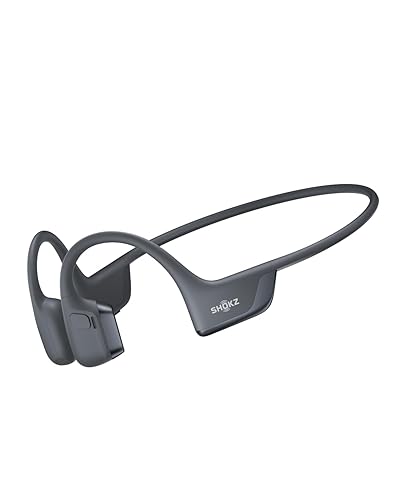 Best for cycling and visibilitySHOKZ OpenRun Pro 2 Bone Conduction Bluetooth Sport Headphones, BlackView on Amazon
Our Top Picks
Quick Comparison
| Product | Best for | Key feature |
|---|---|---|
| Raycon Bone Conduction Headphones (Gray) | Overall balance | Sweat and water-resistant with mic |
| Bone Conduction Waterproof Headphones, 22g | Long workouts | 10-hour playtime, noise-reducing mic |
| PSIER Bone Conduction Headphones, 23g | Lightweight comfort | IPX5 waterproof, 10-hour playtime |
| New Bone Conduction Headphones, Bluetooth 6.0 | Budget-minded buyers | IP54 rating, reduced sound leakage |
| Raycon Everyday Bone Conduction Headphones, 2nd Gen | Dust and rain exposure | IP67 rating, 16-hour battery, dual mic |
| SHOKZ OpenRun Pro 2 | Cycling and low-light riding | IP55 rating, reflective strip, 12-hour battery |
Raycon Bone Conduction Headphones – Open Ear Running Headphones & Bluetooth Earbuds, Sweat & Water-Resistant with Mic (Gray)
Raycon Bone Conduction Headphones – Open Ear Running Headphones & Bluetooth Earbuds, Sweat & Water-Resistant with Mic (Gray)
Best for: Overall balance for runners and gym users who want an all-round open-ear pair.
This model suits buyers who want a sweat-resistant open-ear headset with a built-in microphone for calls during errands or light workouts. It is a reasonable starting point for someone new to bone conduction.
Key specs
- Open-ear bone conduction design
- Sweat and water-resistant construction
- Built-in microphone
- Gray color option
Pros
- Sits on the cheekbone, so ears stay free for traffic and conversation
- Designed for sweaty sessions rather than only dry commuting
- Microphone supports hands-free calls
Cons
- Bass response is typically thinner than in-ear models, which owners often mention
- Volume at maximum can leak to nearby people in quiet rooms
Bottom line: A sensible default for buyers who want a general-purpose open-ear pair for sport and everyday use.
Bone Conduction Waterproof Headphones, Bluetooth 6.0, 22g Lightweight Open Ear Headphones with Noise-Reducing Mic
Bone Conduction Waterproof Headphones , Bluetooth 6.0, 22g Lightweight Open Ear Headphones with Noise-Reducing Mic, Clear Balanced Audio, 10H Playtime, Water-Resistant for Running, Cycling & Workouts
Best for: Long workouts where battery endurance matters more than maximum bass.
Listed with a 10-hour playtime claim and a 22-gram frame, this pair targets people who train for extended sessions and want to avoid frequent recharging.
Key specs
- Bluetooth 6.0
- Approximately 22 g weight
- Listed 10-hour playtime
- Noise-reducing microphone
- Water-resistant for running and cycling
Pros
- Light frame suits extended wear
- Claimed battery life covers most workout blocks
- Noise-reducing mic helps on windy routes
Cons
- Water-resistance is described generally, so check the specific rating before submerging
- Fit depends on head size, and some owners report needing adjustment
Bottom line: Best for runners and cyclists who log long sessions and want predictable battery life.
PSIER Bone Conduction Headphones, 2026 Upgrade Bluetooth 6.0 Open-Ear Design, 10-Hour Playtime, IPX5 Waterproof, 23g Ultra-Lightweight
PSIER Bone Conduction Headphones, 2026 Upgrade Bluetooth 6.0 Open-Ear Design, 10-Hour Playtime, IPX5 Waterproof, 23g Ultra-Lightweight for Running, Cycling, Outdoor Sports
Best for: Lightweight comfort during outdoor sports and cycling.
This model appeals to people who find heavier headsets uncomfortable on the cheekbone after an hour or more. The IPX5 rating is listed for splashes and light rain rather than immersion.
Key specs
- Bluetooth 6.0
- IPX5 water resistance (manufacturer rating)
- Approximately 23 g weight
- 10-hour playtime (claimed)
Pros
- Very light frame for all-day comfort
- IPX5 suits rain and sweat during outdoor activity
- Open-ear design keeps traffic audible
Cons
- IPX5 does not cover submersion, so swimming is not appropriate
- Some owners report that bass is limited compared with sealed earbuds
Bottom line: A good match for cyclists and hikers who prioritize weight and splash resistance.
New Bone Conduction Headphones Bluetooth 6.0 Open Ear Earbuds with Mic, Balanced Audio, Reduced Sound Leakage, IP54 Waterproof
New Bone Conduction Headphones Bluetooth 6.0 Open Ear Earbuds with Mic, Balanced Audio, Reduced Sound Leakage, IP54 Waterproof Secure Fit, Wireless Sports Headphones for Running, Workout & Cycling
Best for: Budget-minded buyers who want a basic open-ear pair for gym and commute use.
The listing emphasizes reduced sound leakage and balanced audio, which makes it a practical choice for shared spaces such as offices or gyms.
Key specs
- Bluetooth 6.0
- IP54 rating (dust and splash resistance per manufacturer)
- Built-in microphone
- Reduced sound leakage design (per listing)
Pros
- Lower-leakage positioning helps in quiet environments
- IP54 covers sweat and light splashes
- Straightforward feature set for beginners
Cons
- Fewer published specifics on battery life than some competitors
- Build and app features are more limited, so buyers expecting premium finishing may be disappointed
Bottom line: A budget pick for people who want open-ear audio without extra features.
Raycon Everyday Bone Conduction Headphones, 2nd Gen, Black
IP67 Waterproof; 16H Battery Life; Dual Mic Call Clarity; Lightweight, Open-Ear Design; Running/Cycling/Commuting Raycon Everyday Bone Conduction Headphones, 2nd Gen, Black
Best for: Dust and rain exposure, plus commuting in mixed weather.
The IP67 rating is the main differentiator here. It indicates protection against dust and temporary immersion under the manufacturer’s test conditions, which is stronger than most open-ear splash ratings.
Key specs
- IP67 rating (manufacturer)
- 16-hour battery life (listed)
- Dual microphone for call clarity
- Lightweight open-ear design
Pros
- IP67 gives more protection than typical splash ratings
- Long listed battery life suits multi-day commuting
- Dual mic supports clearer calls in wind
Cons
- Bone conduction sound is less full at high volume, according to some owner comments
- Immersion ratings still do not mean the device is designed for swimming
Bottom line: The strongest pick here for people who expect real dust and rain exposure.
SHOKZ OpenRun Pro 2 Bone Conduction Bluetooth Sport Headphones, Black
SHOKZBundle with Reflective Strip;DualPitch premium sound;Open ear awareness; Smart Mic; IP55; 12H battery; Running/Cycling/Hiking OpenRun Pro 2 Bone Conduction Bluetooth Sport Headphones, Black
Best for: Cycling and low-light riding where visibility and awareness matter.
Shokz is one of the best-known names in bone conduction sport audio. This version adds a reflective strip and an IP55 rating, which suits roadside use.
Key specs
- IP55 rating (manufacturer)
- 12-hour battery (listed)
- Reflective strip for visibility
- Smart microphone
- Open-ear awareness design
Pros
- Brand has a long track record in open-ear sport audio
- Reflective strip adds a practical safety feature for riders
- Good ambient awareness for traffic
Cons
- Premium positioning means fewer budget options within the same brand
- IP55 is splash and dust protection, not immersion
Bottom line: Pick this if you ride on roads and want a known brand with a safety-oriented design.
Buying Guide
Water Resistance Ratings
Open-ear headsets use IP ratings to describe protection. The first digit covers solids such as dust, and the second covers liquids. An IP54 rating means protection against dust and splashes, while IP67 means protection against temporary immersion in water at a set depth. Read the rating rather than the word “waterproof,” since marketing terms vary. Never assume a pair can be used while swimming unless the manufacturer says so.
Good picks for this: Raycon Everyday Bone Conduction Headphones, 2nd Gen; New Bone Conduction Headphones with IP54 rating
Battery Life and Charging
Claimed playtime is usually measured at moderate volume. Real-world use at higher volume, or with Bluetooth multipoint active, tends to be shorter. For multi-hour workouts, look for at least 10 hours of listed playtime. For commuting across several days, a longer battery or a charging case may matter more.
Good picks for this: Bone Conduction Waterproof Headphones, 22g; Raycon Everyday Bone Conduction Headphones, 2nd Gen
Weight and Comfort on the Cheekbone
Weight affects how long you can wear the headset before pressure builds. Lighter frames, in the low-20-gram range, generally feel better over long sessions. Check the stated weight and whether the band is adjustable. Fit depends on head size, so a pair that feels loose on one person can feel tight on another.
Good picks for this: PSIER Bone Conduction Headphones, 23g; Bone Conduction Waterproof Headphones, 22g
Microphone and Call Quality
If you take calls outdoors, a dual or noise-reducing microphone helps reduce wind noise. Single-mic models are usually adequate for indoor calls. Check whether the mic is described as noise-reducing or dual, since those features handle wind better.
Good picks for this: Raycon Bone Conduction Headphones (Gray); SHOKZ OpenRun Pro 2
Sound Leakage and Volume
Bone conduction transmits sound through the cheekbone, so some sound can be heard by people nearby, especially at high volume. Listings that mention reduced sound leakage are worth noting if you use them in offices or on public transit. Expect thinner bass than sealed in-ear designs, which many owners accept as a trade-off for open ears.
Good picks for this: New Bone Conduction Headphones with IP54 rating; Raycon Bone Conduction Headphones (Gray)
Connectivity and Bluetooth Version
Bluetooth 6.0 is listed on several of these models. A newer version generally improves connection stability and range, though real-world results depend on your phone and environment. Check whether the pair supports multipoint if you switch between a phone and a laptop.
Good picks for this: PSIER Bone Conduction Headphones, 23g; New Bone Conduction Headphones with IP54 rating
Use Case and Safety Visibility
For cycling and road running, reflective elements and ambient awareness matter. Open-ear design is useful here because traffic remains audible. Keep volume moderate so you can hear approaching vehicles, and avoid using any headset in situations where hearing traffic is essential without a clear understanding of local rules.
Good picks for this: SHOKZ OpenRun Pro 2; Bone Conduction Waterproof Headphones, 22g
FAQ
Are bone conduction headphones safe for daily use?
Bone conduction avoids the ear canal, so many people find it comfortable for long sessions. Keep volume at a moderate level to reduce strain on the ears, and take breaks if you notice discomfort. If you have a hearing condition or ear pain, consult an audiologist or doctor before relying on any headset.
Can vape only bone conduction headphones be used in the pool?
Most listed models are rated for sweat, splashes or temporary rain, not for swimming. Unless the manufacturer explicitly rates a pair for submersion and swimming, do not use it in water. Check the IP rating and the product description carefully.
What does IP67 mean compared with IP54?
IP67 indicates full protection against dust and protection against temporary immersion at a specified depth and time, according to the testing standard. IP54 indicates protection against dust that does not prevent all ingress and against water splashes from any direction. IP67 is the stronger rating.
Do bone conduction headphones work with glasses?
Many owners wear them with glasses, though the frame can press on the cheekbone or temple. Look for models with an adjustable band or a lighter frame, and try the fit before committing to long sessions.
How long do the batteries last?
Listed playtimes for these models range from about 10 to 16 hours under the manufacturer’s test conditions. Real-world results vary with volume, Bluetooth connection and temperature. Cold weather in particular can shorten battery life.
Is the microphone good enough for phone calls?
Dual or noise-reducing microphones generally perform better in wind and traffic. Single-mic models are usually fine for indoor use. Owners often report that call quality depends heavily on fit, so adjust the headset before calling.
Can I use these for music while cycling?
Yes, but use moderate volume and keep one ear’s awareness of traffic. Many riders prefer open-ear designs for this reason. Check local regulations on headphone use while riding, as some areas have specific rules.
Conclusion
For a balanced all-round pick among vape only bone conduction headphones, the Raycon Bone Conduction Headphones (Gray) is a sensible starting point. Long workouts favor the 22-gram waterproof model with a 10-hour listed battery. Buyers who prioritize weight should look at the PSIER 23-gram design, while budget shoppers may prefer the IP54 New Bone Conduction Headphones. For dust and rain exposure, the Raycon Everyday 2nd Gen with its IP67 rating stands out, and cyclists who ride on roads will find the SHOKZ OpenRun Pro 2 useful for its reflective strip and visibility features. Match the rating, weight and battery to how you actually plan to use them.
Sources
- Guidance on safe listening volumes and how long to use headphones at a given level (cdc.gov)
- Research summaries on hearing health and personal audio exposure (nih.gov)
- Workplace and occupational noise exposure standards that inform safe listening limits (osha.gov)
Before you buy: helpful guides
Related reading
- Open-Ear and Bone Conduction Headphones Explained
- Best Bone Conduction Headphones for Sports: 3 Models Compared
About Ethan Brooks
Ethan Brooks is part of our editorial team and reviews and edits our headphone tech & types guides, checking product details against manufacturer specifications and owner feedback.


