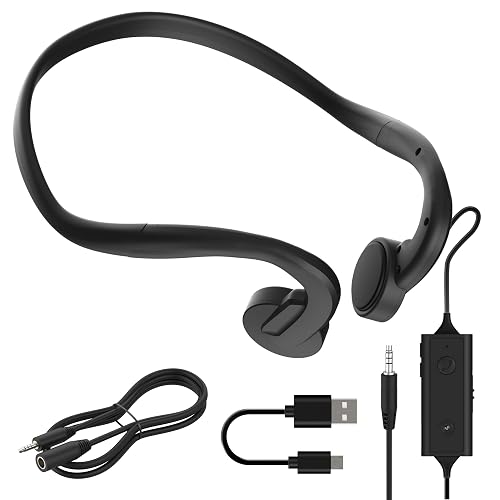
By Ethan Brooks
Updated November 2026
Shoppers looking for rr sports bone conduction headphones usually want open-ear audio they can wear in the pool, on a run, or on a bike without blocking traffic sounds. This list compares seven models on water resistance, fit, battery life, built-in storage and microphone features. The selection is based on product listings, brand reputation and common owner feedback patterns, not on hands-on testing.
Before choosing, read our overview of Pros and Cons of Bone Conduction Headphones: What to Know Before You Buy (2026) to see where this headphone type works well and where it falls short.
Best overall: RR SPORTS Bone Conduction Bluetooth Headphones-SurfAudio – View on Amazon
Best for swimming storage: RR SPORTS IP68 Waterproof Swimming Headphones (Black) – View on Amazon
Best for calls and noise: Bone Conduction Waterproof Headphones with Noise-Reducing Mic – View on Amazon
Best for battery life: Bone Conduction Headphones with LED Power Display – View on Amazon
Best for a known brand: Raycon Bone Conduction Headphones – View on Amazon
Best for advanced features: SHOKZ OpenRun Pro 2 – View on Amazon
Best for simple workouts: SHOKZ OpenMove – View on Amazon
Our Top Picks
Quick Comparison
| Product | Best for | Key feature |
|---|---|---|
| RR SPORTS Bone Conduction Bluetooth Headphones-SurfAudio | Swimming and surfing | IP68, 32GB MP3 storage |
| RR SPORTS IP68 Waterproof Swimming Headphones | Pool sessions | Built-in 32GB player |
| Bone Conduction Waterproof Headphones (22g) | Calls during workouts | Noise-reducing mic |
| Bone Conduction Headphones with LED Power Display | Long sessions | 12-hour playtime |
| Raycon Bone Conduction Headphones | Running with a familiar brand | Sweat and water resistance |
| SHOKZ OpenRun Pro 2 | Outdoor and cycling use | Open-ear awareness, IP55 |
| SHOKZ OpenMove | Light daily workouts | Sweatproof, simple setup |
RR SPORTS Bone Conduction Bluetooth Headphones-SurfAudio

RR SPORTS Bone Conduction Bluetooth Headphones-SurfAudio, IP68 Waterproof Swimming Headphones with 32GB MP3 Player, Lightweight Open Ear Design for Swimming/Surfing/Marathon/Cycling(Brown)
Best for: Swimming and surfing with offline music
Suited to swimmers who want an IP68 rating and onboard MP3 playback without carrying a phone into the water.
Pros
- IP68 rating for submersion
- 32GB built-in player
Cons
- Onboard storage setup takes a few extra steps
RR SPORTS IP68 Waterproof Swimming Headphones, Bone Conduction Bluetooth 6.0

RR SPORTS IP68 Waterproof Swimming Headphones, Bone Conduction Bluetooth 6.0 Headphones, Built-in 32GB MP3 Player, Soft Lightweight Open-Ear Design for Swimming Marathons Showers Cycling(Black
Best for: Pool sessions and showers
A good fit for lap swimmers who want a soft, lightweight open-ear design and offline audio. You may also like Bone Conduction Headphones Swimming with Spotify: Setup Guide (2026).
Pros
- Soft, lightweight band
- Bluetooth 6.0 connectivity
Cons
- Fit may need adjusting for smaller heads
Bone Conduction Waterproof Headphones, Bluetooth 6.0

Bone Conduction Waterproof Headphones , Bluetooth 6.0, 22g Lightweight Open Ear Headphones with Noise-Reducing Mic, Clear Balanced Audio, 10H Playtime, Water-Resistant for Running, Cycling & Workouts
Best for: Taking calls during runs and rides
Aimed at users who need clear voice pickup outdoors and a light 22g frame for long workouts.
Pros
- Noise-reducing microphone
- Rated 10-hour playtime
Cons
- Water resistance is lighter than IP68 swim models
Bone Conduction Headphones, Bluetooth 6.0 Open-Ear with LED Power Display

Bone Conduction Headphones, Bluetooth 6.0 Open-Ear Headphones with LED Power Display, 12-Hour Playtime Earbuds with Mic, IPX5 Waterproof Earphones Ultra-Light for Running, Cycling, Walking Black
Best for: Long sessions where battery matters
Works well for walkers and runners who want to see remaining charge at a glance.
Pros
- LED power display
- 12-hour listed playtime
Cons
- IPX5 rating does not allow submersion
Raycon Bone Conduction Headphones – Open Ear Running Headphones

Raycon Bone Conduction Headphones – Open Ear Running Headphones & Bluetooth Earbuds, Sweat & Water-Resistant with Mic (Gray)
Best for: Runners who prefer a established audio brand
Suits buyers who want sweat and water resistance with a recognizable name and a built-in microphone.
Pros
- Sweat and water-resistant build
- Built-in microphone
Cons
- Fewer specialized swim features
SHOKZ OpenRun Pro 2 Bone Conduction Bluetooth Sport Headphones

SHOKZBundle with Reflective Strip;DualPitch premium sound;Open ear awareness; Smart Mic; IP55; 12H battery; Running/Cycling/Hiking OpenRun Pro 2 Bone Conduction Bluetooth Sport Headphones, Black
Best for: Cycling and hiking where awareness matters
Designed for riders and hikers who need to hear traffic and trail sounds while listening to music.
Pros
- Open-ear awareness
- Smart microphone and IP55 rating
Cons
- Higher feature set means more setup
Buying Guide
Water Resistance Rating
If you plan to swim, look for an IP68 rating, which is designed for full submersion. For showers, surfing, rain, or sweaty workouts, an IP55 or IPX5 rating is usually enough, but these are not built for swimming pools or open water.
Fit and Comfort for Long Sessions
Bone conduction headphones sit on the cheekbones rather than inside the ear, so fit matters more than you might expect. A lightweight frame and a flexible band help reduce pressure during long runs, rides, or laps, and some shoppers prefer models with softer materials that stay comfortable when wet.
Battery Life and Charging
Think about how long you typically train. Some models in this group advertise around 10 to 12 hours of playtime, which covers most workouts, while others may need more frequent charging. Check whether the headphones use a standard charging connection and whether a quick LED battery indicator would help you plan ahead.
Built-In Storage and Connectivity
Some models include a built-in MP3 player, which lets you train without carrying a phone. If you prefer streaming, make sure Bluetooth support is current and that the headphones pair reliably with your device. A microphone with noise reduction is useful for calls and voice commands during outdoor activities.
FAQ
Are bone conduction headphones good for swimming?
Some bone conduction models are rated for full submersion and are designed with swimming in mind, while others are only splash resistant. Check the IP rating before you buy, and keep in mind that Bluetooth streaming does not work underwater, so built-in MP3 storage is often what makes them useful in the pool.
Can I still hear traffic while running with these headphones?
Yes, because bone conduction leaves your ear canals open and transmits sound through the cheekbones. Many runners and cyclists choose this style for that reason, though volume should be kept at a moderate level to stay aware of your surroundings.
Do bone conduction headphones work with glasses or hats?
Most models sit comfortably with glasses, though the fit can vary depending on frame size and how the band rests on your head. If you wear a hat or helmet, try to position the headphones so the transducers still make firm contact with your cheekbones for the clearest sound.
How do I keep bone conduction headphones clean after swimming?
Rinse them with fresh water after pool or ocean use to remove chlorine or salt, then dry them with a soft cloth. Avoid soaking charging ports, and let the headphones air dry fully before charging to help protect the internals.
Are these headphones suitable for music quality?
Bone conduction audio is generally best for podcasts, voice, and steady beats rather than full-range listening, so expectations should be set accordingly. Bass response is typically lighter than with in-ear or over-ear headphones, but many users find the clarity suits outdoor workouts well.
Conclusion
If you swim regularly and want headphones that work in the water with built-in storage, the fully waterproof models in this group are the better fit. For runners, cyclists, and walkers who mainly need open-ear comfort and safety awareness on land, the lighter and more weather-focused options will likely serve you well.
Shoppers who want the longest battery life and a sturdy sport design may lean toward the premium open-ear models, while budget-minded buyers can find solid value in the simpler bone conduction designs. Match the water rating, battery life, and storage features to your main activity, and the right choice should be clear.
Related reading
- Shokz Openrun Pro Premium Bone Conduction Open-ear Sport Headphones: A Practical Guide (2026)
- Born for Sports Bone Conduction Headphones: How to Choose and Fit a Pair
About Ethan Brooks
Ethan Brooks is part of our editorial team and reviews and edits our headphone tech & types guides, checking product details against manufacturer specifications and owner feedback.