 By Ethan Brooks
Updated November 2026
Bone conduction headphones for skiing keep your ears open so you can hear other skiers, lift operators, and warning signals while you ride. This list focuses on the criteria that matter on the mountain: a secure fit under a helmet or beanie, controls you can press through gloves, battery life for a full day on the hill, and resistance to cold, snow, and sweat. Each pick below is based on product listings, manufacturer specifications, and patterns in owner feedback.
Our top picks at a glance
- 1
 TOP CHOICEBest overallBone Conduction Waterproof HeadphonesView on Amazon
- 2
 TOP CHOICEBest for helmet wearersBone Conduction Headphones with MicView on Amazon
- 3
 TOP CHOICEBest for sound qualitySHOKZ OpenRun ProView on Amazon
- 4
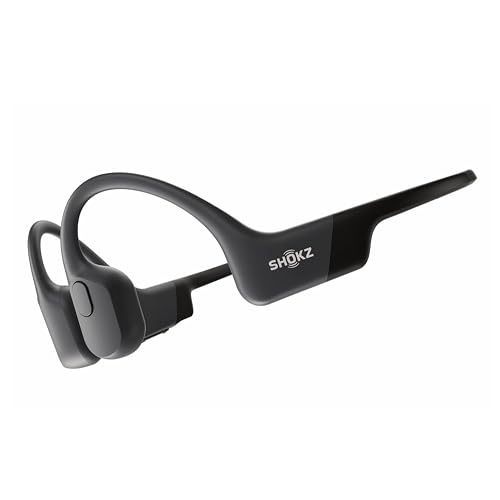 Best budget pickSHOKZ OpenRunView on Amazon
- 5
 Best for call clarityRaycon Bone Conduction HeadphonesView on Amazon
- 6
 Best for long daysSHOKZ OpenRun Pro 2View on Amazon
- 7
 Best for storage and offline musicIPX8 Waterproof, Bluetooth+MP3 Mode 8GB Memory, 12 Hours Playtime, EarView on Amazon
Our Top Picks
| Product | Best for | Key feature |
|---|---|---|
| Bone Conduction Waterproof Headphones | Overall use | 22g, 10-hour playtime |
| Bone Conduction Headphones with Mic | Helmet wearers | IP67 water and dust rating |
| SHOKZ OpenRun Pro | Sound quality | Built-in mic, hair band |
| SHOKZ OpenRun (Renewed) | Budget pick | Proven open-ear design |
| Raycon Bone Conduction Headphones | Call clarity | Noise-reducing mic |
| SHOKZ OpenRun Pro 2 | Long days | 12-hour battery, IP55 |
| Bone Conduction Headphones (IPX8, 8GB) | Offline music | 8GB memory, IPX8 rating |
Bone Conduction Waterproof Headphones
Bone Conduction Waterproof Headphones , Bluetooth 6.0, 22g Lightweight Open Ear Headphones with Noise-Reducing Mic, Clear Balanced Audio, 10H Playtime, Water-Resistant for Running, Cycling & Workouts
Best for: Overall use on mixed terrain
A lightweight pair for skiers who want a balance of comfort and battery life. Owners often describe the 22g frame as easy to forget during long runs.
Pros
- Light frame with a claimed 10-hour playtime
- Noise-reducing mic for clearer calls
Cons
- Bass response is lighter than premium models
Bone Conduction Headphones with Mic
Bone Conduction Headphones with Mic,Open Ear Earbuds,for Running Gym Cycling Bone Conduction Headphones Bluetooth 6.0,IP67 Waterproof
Best for: Helmet wearers who need a sealed fit against cold and snow
Suited to skiers who wear helmets with overhangs or goggles that sit over the ears. The IP67 rating covers dust and temporary immersion.
Pros
- IP67 rating for snow and sweat
- Integrated mic for calls
Cons
- Brand reputation is less established than major sport audio makers
SHOKZ OpenRun Pro
SHOKZ OpenRun Pro – Open-Ear Bluetooth Bone Conduction Sport Headphones – Sweat Resistant Wireless Earphones for Workouts and Running with Premium Deep Base – Built-in Mic, with Hair Band
Best for: Sound quality on the chairlift and the run
A strong choice for skiers who listen to music or podcasts between runs. The included hair band helps keep the fit stable under a hat.
Pros
- Deeper bass than most open-ear designs
- Hair band improves fit under helmets
Cons
- Higher cost tier than the standard OpenRun
SHOKZ OpenRun
SHOKZ OpenRun – Open-Ear Bluetooth Bone Conduction Sport Headphones (Renewed)
Best for: A budget pick with a proven open-ear design
A practical option for skiers who want the bone conduction format without the premium extras. This listing is a renewed unit, so check the seller’s condition notes.
Pros
- Familiar open-ear design from a well-known brand
- Budget-friendly for occasional skiers
Cons
- Renewed condition means shorter warranty coverage
Raycon Bone Conduction Headphones
Raycon Bone Conduction Headphones – Open Ear Running Headphones & Bluetooth Earbuds, Sweat & Water-Resistant with Mic (Gray)
Best for: Call clarity when you need to talk with your group
Fits skiers who take calls or coordinate meetups on the mountain. Sweat and water resistance covers typical winter conditions.
Pros
- Built-in mic designed for voice pickup
- Sweat and water resistant
Cons
- Less bass depth than the OpenRun Pro line
SHOKZ OpenRun Pro 2
SHOKZBundle with Reflective Strip;DualPitch premium sound;Open ear awareness; Smart Mic; IP55; 12H battery; Running/Cycling/Hiking OpenRun Pro 2 Bone Conduction Bluetooth Sport Headphones, Black
Best for: Long days on the hill with a single charge
Designed for full-day riders who want a 12-hour battery and an IP55 rating. The bundled reflective strip adds visibility during early or late runs.
Pros
- 12-hour battery life per the listing
- Reflective strip for low-light visibility
Cons
- IP55 is lower protection than IP67 for submersion
Buying Guide
Fit Under a Helmet or Beanie
Ski helmets and tight hats can push on the ear area, so look for lightweight designs and adjustable or flexible fit options. Models with a hair band or secure ear loop tend to stay in place better when you are carving turns or riding a chairlift. Try the fit with the helmet you plan to wear before you head out.
Glove-Friendly Controls
Thick gloves make small buttons hard to press. Choose headphones with larger, raised controls or simple volume and power switches that you can find by feel. A voice assistant or a mic-based call button can also save you from fumbling with the device on the lift.
Some models offer a single multifunction button, which is easier to use with gloves than several tiny controls. Check how the buttons are arranged before you buy.
Battery Life for a Full Day on the Hill
A ski day can run six to eight hours, including lift time and lunch breaks. Look for headphones with a rated playtime that comfortably covers that span, and remember that cold weather can reduce battery performance. Carrying a small power bank is a smart backup for long days.
Cold, Snow, and Moisture Resistance
Snow, sleet, and sweat from wearing a helmet all put stress on electronics. Pay attention to the water and dust ratings listed by the manufacturer, and consider how the device handles temperatures well below freezing. A snug, sealed design generally holds up better in wet and icy conditions.
Awareness and Sound Quality
The main reason to choose bone conduction is staying aware of your surroundings. Open-ear designs let you hear skiers, instructors, and lift announcements while you listen to music or calls. If you plan to use them for calls in windy conditions, a noise-reducing microphone can make a noticeable difference.
FAQ
Can I wear bone conduction headphones under a ski helmet?
Many people do, but fit varies by helmet and by headphone model. Look for a lightweight design with a flexible band, and test the fit with your helmet on before your first run. Some skiers prefer a model with a hair band or ear loop to keep the sensors in contact with the skin.
Do bone conduction headphones work in very cold weather?
They can, but batteries lose capacity in extreme cold, so you may get less playtime than the rated number. Keeping the device inside your jacket between runs can help. A small power bank gives you a backup if the battery runs low.
Will I be able to hear other skiers and lift operators?
Yes, because bone conduction leaves your ear canals open. You can listen to audio while still hearing ambient sound around you. Wind noise can still make it harder to hear some conversations, so keep the volume at a comfortable level.
Are these headphones good for calls on the slopes?
Many models include a built-in microphone for calls and voice commands. Call quality in strong wind can vary, so a model with a noise-reducing mic is a better choice if you talk on the hill often. Test calls before a trip if possible.
How do I keep my headphones from getting damaged by snow?
Wipe off snow and moisture after each run, and avoid leaving the device in a wet pocket or a cold car for long periods. Store it in a dry case overnight so condensation does not build up. Follow the manufacturer’s care instructions for the best results.
Conclusion
If you want the most all-around option for cold-weather riding, a lightweight model with long playtime and a secure fit is a solid pick for most skiers. Helmet wearers should prioritize a snug, low-profile design, while frequent callers may want a model with a strong noise-reducing mic.
Those who ski all day and want a backup-friendly setup should favor longer battery life and robust water and dust protection. Match the features above to how you actually ski, and you will end up with headphones that stay comfortable and reliable on the mountain.
Related reading
- Xiaomi Bone Conduction Headphones Pairing: Step-by-Step Guide (2026)
- Wireless Bone Conduction Headphones UK: How to Choose the Right Pair (2026)
- Wireless Bone Conduction Headphones Aftershokz: 5 Best Picks Compared (2026)
- Wired Bone Conduction Headphones with Microphone: How to Choose the Right Pair
- Wired Bone Conduction Headphones with Mic: What to Check Before You Buy
- Wired Bone Conduction Headphones Reddit: A Practical Guide (2026)
About Ethan Brooks
Ethan Brooks is part of our editorial team and reviews and edits our headphone tech & types guides, checking product details against manufacturer specifications and owner feedback.

