 By Ethan Brooks
Updated November 2026
Choosing mp3 bone conduction headphones comes down to four things: whether the built-in memory is large enough for your music, how well the waterproof rating holds up for your activity, how the open-ear fit feels over time, and how long the battery lasts between charges. The picks below are based on product listings, brand reputation and common owner feedback patterns. None of them have been tested by us.
Our top picks at a glance
- 1
 TOP CHOICEBest overallPSIER Bone Conduction Headphones, IPX8 Waterproof MP3 Mode for UnderwaterView on Amazon
- 2
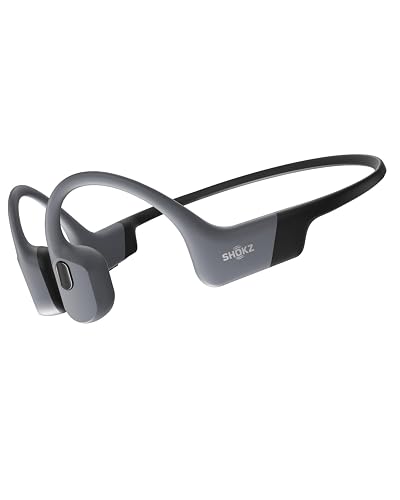 TOP CHOICEBest for pool useSHOKZ OpenSwim Pro Open-Ear MP3 Headphones, IP68 Waterproof, 32GB MP3View on Amazon
- 3
 TOP CHOICEBest for long battery lifeCXK Bone Conduction Headphones IPX8 Waterproof Swimming HeadphonesView on Amazon
- 4
 Best for running and fitnessTECKNET Bone Conduction Headphones, IP68 Waterproof Swimming HeadphonesView on Amazon
- 5
 Best for calls with a micBone Conduction Headphones Bluetooth 5.4 & 32GB Memory MP3 Player, RedView on Amazon
- 6
 Best for lap swimming comfortIP68 Bone Conduction Waterproof Headphones with 32GB MP3, Silicone Swim EarbudsView on Amazon
- 7
 Best for cycling and outdoor useIPX8 Waterproof Earbuds for Swimming, Open Ear Earbuds With 32GB MP3 MView on Amazon
Our Top Picks
Quick Comparison
| Product | Best for | Key feature |
|---|---|---|
| PSIER Bone Conduction Headphones | Overall use | 32GB memory, IPX8 |
| SHOKZ OpenSwim Pro | Pool use | IP68, 32GB MP3 |
| CXK Bone Conduction Headphones | Long battery life | 12-hour playtime listed |
| TECKNET Bone Conduction Headphones | Running and fitness | IP68, up to 10 hours |
| Bluetooth 5.4 Bone Conduction Headphones (Red) | Calls with a mic | Built-in mic, 32GB memory |
| IP68 Bone Conduction Waterproof Headphones | Lap swimming comfort | Lightweight silicone build |
| IPX8 Waterproof Earbuds for Swimming | Cycling and outdoor use | 8-hour playtime listed |
PSIER Bone Conduction Headphones, IPX8 Waterproof MP3 Mode for Underwater
Swimming Headphones with 32GB Memory, AI Music Generation 8H Playtime, Bluetooth 6.0 Open Ear Headphones for Running PSIER Bone Conduction Headphones, IPX8 Waterproof MP3 Mode for Underwater
Best for: Overall use across pool, running and daily listening.
This suits buyers who want one pair for several activities and a large built-in music library without carrying a phone.
Pros:
- 32GB memory listed for offline MP3 playback
- IPX8 rating for underwater use
Cons:
- Owners often mention a learning curve for the controls
SHOKZ OpenSwim Pro Open-Ear MP3 Headphones, IP68 Waterproof, 32GB MP3
IP68 waterproof; Bluetooth + 32GB MP3 modes; Vivid underwater sound; 9H battery; Swimming/Water sports SHOKZ OpenSwim Pro Open-Ear MP3 Headphones, Grey, IP68 Waterproof, 32GB MP3
Best for: Pool use and water sports.
Swimmers who want a recognized brand and an IP68 rating will find this pair the most straightforward choice.
Pros:
- IP68 waterproof rating with 32GB MP3 storage
- Bluetooth and MP3 modes in one device
Cons:
- Typically priced toward the premium end of this list
CXK Bone Conduction Headphones IPX8 Waterproof Swimming Headphones
CXK Bone Conduction Headphones IPX8 Waterproof Swimming Headphones, Bluetooth 6.0 Underwater Wireless Headphones MP3 Mode, Built-in Memory & 12H Playtime, Open Earbuds Secure Fit for Running, Cycling
Best for: Long battery life on extended workouts.
This works for people who train for long sessions and want fewer charging breaks.
Pros:
- 12-hour playtime listed by the manufacturer
- Built-in memory for MP3 mode
Cons:
- Owners sometimes report the fit varies by head size
TECKNET Bone Conduction Headphones, IP68 Waterproof Swimming Headphones
TECKNET Bone Conduction Headphones, IP68 Waterproof Swimming Headphones with MP3 Mode 32GB Memory, Up to 10 Hours Playtime, Bluetooth 6.0 Wireless Open Ear Headphone Secure Fit for Running, Fitness
Best for: Running and fitness routines.
Runners who want a secure fit and an IP68 rating for sweaty sessions may prefer this option.
Pros:
- IP68 rating and 32GB MP3 memory
- Up to 10 hours of playtime listed
Cons:
- Some owners say the ear hooks take time to adjust
Bone Conduction Headphones Bluetooth 5.4 & 32GB Memory MP3 Player, Red
Bone Conduction Headphones – Bluetooth 5.4 & 32GB Memory MP3 Player IP68 Waterproof Headphones for Swimming, Bone Conduction with Mic Open Ear Running Headphone for Swimming, Running, Cycling (Red)
Best for: Calls with a built-in microphone.
This pair suits anyone who takes calls while exercising or commuting and wants a mic included.
Pros:
- Built-in microphone for calls
- Bluetooth 5.4 with 32GB memory
Cons:
- Mic quality in windy conditions is a common owner complaint
IP68 Bone Conduction Waterproof Headphones with 32GB MP3, Silicone Swim Earbuds
IP68 Bone Conduction Waterproof Headphones with32GB MP3,Skin-Friendly Lightweight Silicone Swim Earbuds for Pool Lap Swimming Swimming Headphones Underwater, Open Ear Lap Swimming Earbuds Bluetooth6.0
Best for: Lap swimming comfort.
Swimmers who find harder materials uncomfortable may appreciate the soft silicone build.
Pros:
- Lightweight, skin-friendly silicone
- IP68 rating with 32GB MP3 storage
Cons:
- Smaller brand presence makes long-term support harder to gauge
Buying Guide
Built-in Memory and MP3 Mode
Check how much storage the headphones offer and how files get loaded. Most models in this group list 32GB of memory, which holds a large music library, but the exact capacity you can use depends on file format and how you transfer songs. If you plan to listen without your phone, confirm that the MP3 mode works on its own and that transfers are simple to do.
Bluetooth is useful for podcasts, calls and music from your phone on land. The built-in MP3 mode is the feature that matters most once you are in the water, since Bluetooth signals do not travel well through water.
Waterproof Rating
Look closely at the IP or IPX rating. IPX8 and IP68 are the ratings most often listed for swimming, and they describe protection against submersion under specified conditions. Pool use, open-water swimming and running in the rain all place different demands on a device, so match the rating to where you plan to wear them.
A waterproof rating describes the lab conditions a manufacturer tested, not a promise of unlimited use in any water. Rinse the headphones with fresh water after saltwater or chlorinated pool sessions to help them last.
Fit and Comfort for Open-Ear Design
Bone conduction headphones sit in front of the ear and send sound through the cheekbones, leaving the ear canal open. This helps you stay aware of your surroundings and makes the fit easier to tolerate over long sessions. Pay attention to band tension, weight and whether the silicone parts feel soft against your skin.
Fit matters even more for swimming, because a loose band can shift or lose contact when you turn your head. Look for designs that describe a secure or adjustable fit, especially if you run or cycle as well.
Battery Life and Charging
Battery life varies across this group, with listings ranging from several hours to longer runs in Bluetooth mode. Battery figures are usually measured at moderate volume, so heavier use will shorten them. If you train often, a longer runtime means fewer charging breaks between sessions.
Also consider how the headphones charge and whether the port stays sealed when the device is wet. A tight, well-sealed charging design helps protect the electronics over the long run.
Use Case and Bluetooth Version
Think about your main activity first. Swimmers usually care most about IP68 or IPX8 protection and MP3 playback, while runners and cyclists may value Bluetooth connectivity, a microphone for calls and a comfortable fit for movement. Newer Bluetooth versions generally offer more stable connections, so a higher version number can be a helpful tiebreaker when the other features are similar.
FAQ
Can I use bone conduction headphones while swimming?
Yes, several models in this group are designed for swimming and carry waterproof ratings such as IPX8 or IP68. They use the built-in MP3 mode because Bluetooth does not work well underwater. Always check the specific rating listed for the product you choose.
Do I need Bluetooth if I want MP3 mode?
No. MP3 mode plays music stored on the headphones’ built-in memory, so you can listen without a phone connected. Bluetooth is useful for streaming and calls on land, but it is optional for the MP3 features.
How do I load music onto mp3 bone conduction headphones?
Most models connect to a computer through a cable or dock and let you copy audio files into the built-in storage. Check each product listing for the transfer method and supported file types. Once the files are loaded, you can play them without any paired device.
Are bone conduction headphones safe for swimming and running?
Their open-ear design lets you hear traffic, coaches and people around you, which many athletes find useful. Keep volume at a moderate level so you stay aware of your surroundings and avoid discomfort. Rinse them after exposure to salt or chlorine to help protect the materials.
Do bone conduction headphones work with glasses or a swim cap?
Many people wear them with glasses, though fit can vary depending on frame shape. Swim caps may affect how the band sits, so test the fit before a full session. Adjust the band and check the seal around the cheekbones for the most comfortable position.
Conclusion
If you swim regularly and want a reliable MP3 setup with strong waterproofing, the SHOKZ OpenSwim Pro and the PSIER models are the strongest fits in this group. Runners and cyclists who want Bluetooth, a secure fit and long battery life will find the CXK and TECKNET options a good match. Choose the model whose rating, memory and fit line up with the activities you do most.
Related reading
- 5 Best Bone Conduction Headphones with Built-in MP3 (2026)
- Open-Ear and Bone Conduction Headphones Explained
- Best Bone Conduction Headphones for Sports: 3 Models Compared
- Xiaomi Bone Conduction Headphones Pairing: Step-by-Step Guide (2026)
- Wireless Bone Conduction Headphones UK: How to Choose the Right Pair (2026)
- Wireless Bone Conduction Headphones Aftershokz: 5 Best Picks Compared (2026)
About Ethan Brooks
Ethan Brooks is part of our editorial team and reviews and edits our headphone tech & types guides, checking product details against manufacturer specifications and owner feedback.


