 By Ethan Brooks
Updated November 2026
Bone conduction headphones send sound through your cheekbones instead of your ear canal, which leaves your ears open to traffic and conversation. If you are looking at bc888 bone conduction headphones or similar models, the choices come down to fit, water resistance, battery life, and microphone quality. The six picks below are compared on those criteria, based on product listings, brand reputation and common owner feedback patterns. We did not test these products ourselves.
Our top picks at a glance
- 1
 TOP CHOICEBest overallBone Conduction Waterproof Headphones , Bluetooth 6.0, 22g Lightweight Open Ear HeadphonesView on Amazon
- 2
 TOP CHOICEBest for long sessionsPSIER Bone Conduction Headphones, 2026 Upgrade Open Ear Running HeadphonesView on Amazon
- 3
 TOP CHOICEBest for display-friendly useBone Conduction Headphones with LED Power Display, Bluetooth 6.0 Open-EarView on Amazon
- 4
 Best for dusty or rainy workoutsRaycon Everyday Bone Conduction Headphones, 2nd GenView on Amazon
- 5
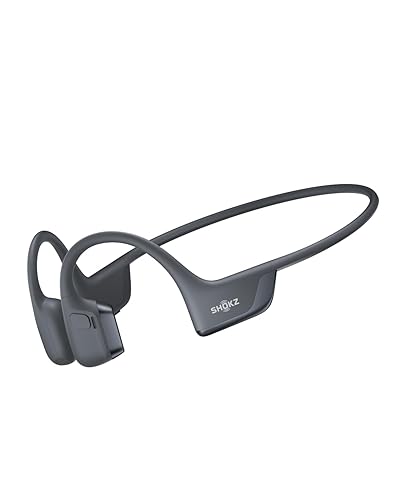 Best for cycling visibilitySHOKZ OpenRun Pro 2 Bone Conduction Bluetooth Sport HeadphonesView on Amazon
- 6
 Best for everyday wearRaycon Bone Conduction Headphones, Open Ear Running Headphones (Gray)View on Amazon
Our Top Picks
| Product | Best for | Key feature |
|---|---|---|
| Bone Conduction Waterproof Headphones (Bluetooth 6.0) | Overall fit | 22g, 10-hour playtime |
| PSIER Bone Conduction Headphones (2026 Upgrade) | Long sessions | 23g, IPX5 rating |
| Bone Conduction Headphones with LED Power Display | Battery monitoring | 12-hour playtime, LED display |
| Raycon Everyday Bone Conduction Headphones, 2nd Gen | Wet conditions | IP67, 16-hour battery |
| SHOKZ OpenRun Pro 2 | Cycling visibility | IP55, reflective strip |
| Raycon Bone Conduction Headphones (Gray) | Everyday wear | Sweat-resistant, dual mic |
Bone Conduction Waterproof Headphones , Bluetooth 6.0, 22g Lightweight Open Ear Headphones
Bone Conduction Waterproof Headphones , Bluetooth 6.0, 22g Lightweight Open Ear Headphones with Noise-Reducing Mic, Clear Balanced Audio, 10H Playtime, Water-Resistant for Running, Cycling & Workouts
Best for: Overall fit for running and cycling
A good starting point for runners who want a light frame and a noise-reducing mic without paying for extras they may not use.
Pros:
- Lightweight at 22 grams
- Listing cites about 10 hours of playtime
Cons:
- Water resistance is rated for splashes rather than submersion
PSIER Bone Conduction Headphones, 2026 Upgrade Open Ear Running Headphones
PSIER Bone Conduction Headphones, 2026 Upgrade Bluetooth 6.0 Open-Ear Design, 10-Hour Playtime, IPX5 Waterproof, 23g Ultra-Lightweight for Running, Cycling, Outdoor Sports
Best for: Long gym sessions
Suits people who wear headphones for an hour or more and want a balance of comfort and sweat protection.
Pros:
- IPX5 rating for sweat and light rain
- About 10 hours of listed playtime
Cons:
- Slightly heavier at 23 grams
Bone Conduction Headphones with LED Power Display, Bluetooth 6.0 Open-Ear
Bone Conduction Headphones, Bluetooth 6.0 Open-Ear Headphones with LED Power Display, 12-Hour Playtime Earbuds with Mic, IPX5 Waterproof Earphones Ultra-Light for Running, Cycling, Walking Black
Best for: Monitoring battery during long outings
A practical choice for walkers and hikers who want to see remaining charge without opening a phone app.
Pros:
- LED power display shows battery status
- Listed as 12-hour playtime with IPX5 water resistance
Cons:
- The LED can be a distraction in low light
Raycon Everyday Bone Conduction Headphones, 2nd Gen
IP67 Waterproof; 16H Battery Life; Dual Mic Call Clarity; Lightweight, Open-Ear Design; Running/Cycling/Commuting Raycon Everyday Bone Conduction Headphones, 2nd Gen, Black
Best for: Wet or dusty conditions
Fits runners and commuters who train outdoors in variable weather and want the highest listed ingress rating in this group.
Pros:
- IP67 rating for dust and temporary submersion
- Dual mic setup for call clarity
Cons:
- Listed battery life is shorter than some rivals on this list
SHOKZ OpenRun Pro 2 Bone Conduction Bluetooth Sport Headphones
Bundle with Reflective Strip;DualPitch premium sound;Open ear awareness; Smart Mic; IP55; 12H battery; Running/Cycling/Hiking SHOKZ OpenRun Pro 2 Bone Conduction Bluetooth Sport Headphones, Black
Best for: Cycling and road visibility
Works well for cyclists and hikers who ride near traffic and want reflective elements built into the bundle.
Pros:
- Reflective strip included in the bundle
- IP55 rating and listed 12-hour battery
Cons:
- Premium option, so it sits toward the higher end of this group
Raycon Bone Conduction Headphones, Open Ear Running Headphones (Gray)
Raycon Bone Conduction Headphones – Open Ear Running Headphones & Bluetooth Earbuds, Sweat & Water-Resistant with Mic (Gray)
Best for: Everyday wear beyond the gym
A versatile option for people who switch between workouts, errands and calls and want sweat resistance without a heavy build.
Pros:
- Sweat and water resistant with a built-in mic
- Open-ear design suits commuting
Cons:
- Fit may feel loose for some users with smaller heads
Buying Guide
Fit and Placement
Bone conduction headphones rest on the cheekbone just in front of the ear. A snug but not tight fit gives the best vibration transfer, so check whether the band adjusts before you buy.
FAQ
Are bone conduction headphones safe for running outdoors?
Bone conduction headphones leave your ear canal open, so you can still hear traffic, cyclists, and people approaching from behind. Many runners choose them for this reason, though you should still keep the volume at a moderate level. Using the lowest volume that lets you hear your music or calls clearly is a sensible habit.
How do I know if bone conduction headphones fit properly?
A good fit means the band sits snugly behind your head with the transducers resting lightly on your cheekbones, just in front of your ears. They should stay in place when you jog or shake your head, without pinching or pressing hard on your skin. If the sound feels weak on the bass side, try adjusting the band or moving the pads slightly for better contact.
Do bone conduction headphones work with glasses or hats?
Most models work with glasses, although thicker frames can sometimes shift the contact point on your cheekbones. A cap or beanie usually fits fine as long as the band still rests securely behind your head. If sound quality drops, check whether your eyewear or headwear is pushing the transducers away from your skin.
What does an IP rating mean for sweat and rain?
An IP rating describes how well a device resists dust and water, with the second number indicating water protection. A rating such as IPX5 generally covers sweat and light splashes, while IP67 suggests the device can handle brief submersion. Even with a good rating, rinsing off salt and sweat after heavy workouts helps the headphones last longer.
How long do the batteries typically last?
Battery life varies by model and by how loud you play your audio, so the listed playtime is best treated as a general guide. Shorter runs and moderate volume will generally stretch the charge further. If you run long distances, look for a model with a longer rated playtime or keep a charging cable handy.
Can I take calls with these headphones?
Most models in this group include a built-in microphone for calls and voice commands. Dual-mic designs tend to filter out wind and background noise better than single-mic designs, which can make a difference outdoors. Call quality will still depend on how the microphone is positioned and how windy your route is.
Conclusion
If you want strong water resistance and a long battery for training sessions, the models with higher IP ratings and longer playtime are a good fit for regular runners and cyclists. Buyers who care most about everyday wear, call clarity, or a lighter feel may prefer the more compact options with reflective details or a noise-reducing microphone.
Before you buy, think about how often you train, where you run, and whether you take calls on the go. Matching those needs to the fit, rating, and battery details above will help you choose the pair that suits your routine best.
Related reading
- Open-Ear and Bone Conduction Headphones Explained
- Best Bone Conduction Headphones for Sports: 3 Models Compared
- Xiaomi Bone Conduction Headphones Pairing: Step-by-Step Guide (2026)
- Wireless Bone Conduction Headphones UK: How to Choose the Right Pair (2026)
- Wireless Bone Conduction Headphones Aftershokz: 5 Best Picks Compared (2026)
About Ethan Brooks
Ethan Brooks is part of our editorial team and reviews and edits our headphone tech & types guides, checking product details against manufacturer specifications and owner feedback.


