 By Ethan Brooks
Updated November 2026
Bone conduction headphones for hard of hearing listeners send sound through the cheekbone rather than the ear canal, which can make them a practical option for people with some hearing loss. The selection criteria here are open-ear design, amplification or volume features, comfort over long wear, battery life, and whether the product is a true hearing aid alternative or a general listening device. This list is based on product listings, brand reputation, and owner feedback patterns.
Our top picks at a glance
- 1
 TOP CHOICEBest overallBone Conduction Waterproof HeadphonesView on Amazon
- 2
 TOP CHOICEBest for amplified listeningF2H PRO Noise Cancellation Hearing Amplifier HeadphonesView on Amazon
- 3
 TOP CHOICEBest for active lifestylesRaycon Bone Conduction HeadphonesView on Amazon
- 4
 Best for battery visibilityBone Conduction Headphones with LED Power DisplayView on Amazon
- 5
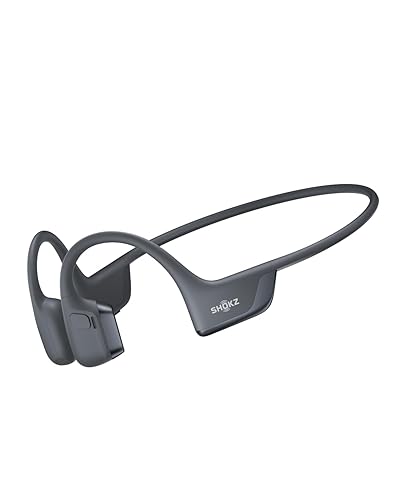 Best for sport and clear callsSHOKZ OpenRun Pro 2View on Amazon
Our Top Picks
| Product | Best for | Key feature |
|---|---|---|
| Bone Conduction Waterproof Headphones | Overall everyday use | 22g lightweight, 10-hour playtime |
| F2H PRO Hearing Amplifier Headphones | Amplified listening | App-based sound adjustment |
| Raycon Bone Conduction Headphones | Active lifestyles | Sweat and water-resistant |
| Bone Conduction Headphones with LED Power Display | Battery visibility | LED power display, IPX5 |
| SHOKZ OpenRun Pro 2 | Sport and clear calls | Noise-reducing mic, IP55 |
Bone Conduction Waterproof Headphones
Bone Conduction Waterproof Headphones , Bluetooth 6.0, 22g Lightweight Open Ear Headphones with Noise-Reducing Mic, Clear Balanced Audio, 10H Playtime, Water-Resistant for Running, Cycling & Workouts
Best for: Overall everyday use A related read: Cell Phone Accessories for Hard of Hearing: 7 Smart Picks That Help (2026).
This suits listeners who want a light, open-ear pair for walking, running, or household listening without blocking ambient sound.
Pros
- Lightweight at 22 grams per the listing
- Noise-reducing microphone for calls
Cons
- Amplification is not a hearing aid function
F2H PRO Noise Cancellation Hearing Amplifier Headphones
F2H PRO Noise Cancellation Rechargeable Open-Ear Lightweight Hearing Amplifier Headphones Waterproof Comfortable Daily Use Blue Deer Bluetooth Bone Conduction Hearing Amplifiers for Seniors with APP
Best for: Amplified listening
This fits users who want volume boosting and app-based adjustment for TV, conversation, or quiet rooms.
Pros
- App control for sound settings
- Rechargeable with open-ear design
Cons
- Fit may need adjusting for some head shapes
Raycon Bone Conduction Headphones
Raycon Bone Conduction Headphones – Open Ear Running Headphones & Bluetooth Earbuds, Sweat & Water-Resistant with Mic (Gray)
Best for: Active lifestyles
This works for people who exercise regularly and want a secure open-ear fit that handles sweat and light rain.
Pros
- Sweat and water-resistant build
- Built-in microphone
Cons
- Bass response is limited compared with in-ear designs
Bone Conduction Headphones with LED Power Display
Bone Conduction Headphones, Bluetooth 6.0 Open-Ear Headphones with LED Power Display, 12-Hour Playtime Earbuds with Mic, IPX5 Waterproof Earphones Ultra-Light for Running, Cycling, Walking Black
Best for: Battery visibility
This suits users who want to check remaining charge at a glance and need a waterproof open-ear pair for outdoor routines.
Pros
- LED power display
- IPX5 water resistance per the listing
Cons
- Listed playtime varies with volume level
SHOKZ OpenRun Pro 2
SHOKZBundle with Reflective Strip;DualPitch premium sound;Open ear awareness; Smart Mic; IP55; 12H battery; Running/Cycling/Hiking OpenRun Pro 2 Bone Conduction Bluetooth Sport Headphones, Black
Best for: Sport and clear calls
This is aimed at athletes and outdoor users who want open-ear awareness of traffic and surroundings along with a dependable microphone.
Pros
- IP55 rating and reflective strip
- Smart microphone for calls
Cons
- Premium positioning compared with budget options
Buying Guide
Check amplification versus hearing aid function
Some bone conduction products add volume boosting, while true hearing aids are regulated medical devices. Read the listing carefully to see which category a product falls into. For background, see Can Bone Conduction Headphones Be Used as Hearing Aids? What to Know (2026).
Confirm the fit on your head
Transducers must press lightly on the cheekbone. Placement affects loudness and clarity, so review Where to Place Bone Conduction Headphones: A Step-by-Step Fit Guide before you judge sound quality.
Consider water and sweat ratings
IP ratings describe resistance to dust and water. Match the rating to your activity, and note that a rating does not mean the product is safe for swimming unless the manufacturer says so.
Look at battery life and charging
Manufacturers specify playtime at moderate volume, and real use at higher levels will be shorter.
Good picks for this: F2H PRO Noise Cancellation Hearing Amplifier Headphones, Bone Conduction Headphones with LED Power Display
FAQ
Can bone conduction headphones replace a hearing aid?
Not in most cases. Consumer bone conduction headphones are not hearing aids, and anyone with hearing loss should consult an audiologist or hearing care professional before relying on them.
Are bone conduction headphones safe for hearing?
They avoid the ear canal, but volume still matters. Keep levels moderate, as outlined in Bone Conduction Headphones Hearing Damage: What Causes It and How to Avoid It.
Related reading
- Can Bone Conduction Headphones Replace Hearing Aids? What to Know (2026)
- Bone Conduction Headphones as Hearing Aids: What Works and What Doesn't (2026)
- Bone Conduction Headphones Hearing Aid: What It Can and Can't Do (2026)
About Ethan Brooks
Ethan Brooks is part of our editorial team and reviews and edits our headphone tech & types guides, checking product details against manufacturer specifications and owner feedback.

