By Ethan Brooks
Updated November 2026
Bone conduction headphones can make certain sounds easier to hear, but they are not a true replacement for hearing aids in most cases. This guide explains how the two technologies differ, which situations bone conduction handles reasonably well, and the checks to run before you rely on one in place of a prescribed device.
How Bone Conduction Differs From a Hearing Aid
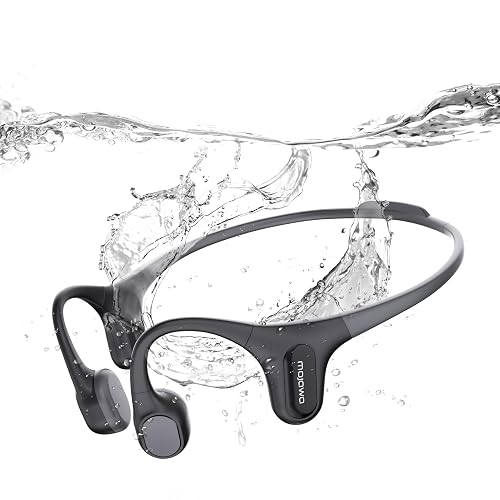
Bone conduction headphones sit on or near the cheekbone, in front of the ear canal, and send vibrations through the skull directly to the cochlea. The ear canal stays open, so you still hear ambient sound. Hearing aids, by contrast, are designed to amplify sound and deliver it into the ear canal, and most models are fitted to a specific audiogram, the chart that maps your hearing loss across frequencies.
Shopping for one? See our guide: AfterShokz Titanium Wireless Bone Conduction Headphones Review (2026).
That difference matters. A consumer bone conduction headset is built for listening to music, calls, or podcasts. It is not programmed to compensate for the particular pattern of your hearing loss, and it generally does not include the amplification tuning, feedback control, or directional microphones found in medical devices.
Situations Where Bone Conduction May Help
Some users with mild conductive or single-sided issues report that bone conduction makes speech easier to follow in quiet rooms. Owners also often mention that the open design helps them stay aware of traffic or conversation while listening, which can be a practical benefit during walks or workouts.
Keep in mind that these reports are anecdotal. Manufacturers typically describe their products as listening devices, not medical devices, and they do not claim to treat hearing loss.
Where Bone Conduction Falls Short
Several limitations are consistent across most consumer models:
- Background noise: Open-ear designs do not block noise, so speech in a crowded restaurant can become harder to pick out, not easier.
- Frequency range: Many bone conduction units produce weaker bass and may not reproduce the high-frequency consonant sounds that matter most for understanding speech.
- Sensorineural loss: Bone conduction works best when the inner ear and auditory nerve function normally. Severe or nerve-related loss often limits what any external device can restore.
- Fit and placement: Output depends on firm contact with the skull. Shifting or loose fit can cut volume and clarity noticeably.
How to Decide Whether It Is a Real Option
Use this checklist before deciding:
- Get a current hearing test from an audiologist and ask for your audiogram.
- Identify the type of loss: conductive, sensorineural, or mixed.
- Test a pair in the environments you actually use, such as a quiet office and a noisy street.
- Compare speech understanding with and without the device, ideally using a word-recognition check.
- Ask an audiologist whether a prescribed hearing aid or an over-the-counter hearing aid would serve you better.
| Need | Bone conduction headphones | Hearing aid |
|---|---|---|
| Music and calls | Well suited | Limited or not designed for it |
| Compensating for a measured loss | Generally not designed for this | Designed for this |
| Awareness of surroundings | Strong (open ear) | Varies by model |
| Noisy environments | Weak | Improved by directional features on many models |
Common Mistakes
- Turning the volume up to compensate for poor fit, which can strain hearing over time. For safe-listening guidance, see Bone Conduction Headphones Hearing Damage: What Causes It and How to Avoid It.
- Assuming that a pleasant listening experience means your hearing loss is being addressed.
- Skipping a professional evaluation because the device feels helpful at home.
- Judging comfort and fit without checking placement. See Where Should Bone Conduction Headphones Sit: A Step-by-Step Fit Guide.
- Expecting results from a product marketed mainly for sports or music.
Recommended Gear
If you want to try bone conduction for listening rather than for hearing support, a sport-focused open-ear model is a common starting point. Look for the View on Amazon for a widely reviewed option among bone conduction users. A simple View on Amazon can help stabilize placement during exercise, and a View on Amazon is not a substitute for a clinical audiogram but can help you track changes between appointments.
FAQ
Can bone conduction headphones replace a prescribed hearing aid?
In most cases, no. They are designed as listening devices and are not fitted to your audiogram or tuned to compensate for measured hearing loss. Talk to an audiologist before making that decision.
Are bone conduction headphones safe to use every day?
They are generally considered low-risk when used at moderate volume, but the same listening-safety rules apply. If you notice ringing, discomfort, or muffled hearing, stop use and see a hearing professional.
Who should consider bone conduction over a hearing aid?
People who want open-ear listening for music, calls, or activity awareness may find it useful. Anyone with diagnosed hearing loss should get a professional evaluation first.
Conclusion
Bone conduction headphones are useful for listening and situational awareness, but they are not a dependable replacement for a hearing aid designed for your specific loss. Get a current audiogram, test any device in your everyday environments, and let a hearing professional guide the final choice.
Related reading
- Can Bone Conduction Headphones Be Used as Hearing Aids? What to Know (2026)
- Bone Conduction Headphones as Hearing Aids: What Works and What Doesn't (2026)
Ready to choose one?
About Ethan Brooks
Ethan Brooks is part of our editorial team and reviews and edits our headphone tech & types guides, checking product details against manufacturer specifications and owner feedback.