 By Ethan Brooks
Updated November 2026
Zkapor bone conduction headphones send sound through your cheekbones instead of your ear canal, which leaves your ears open to traffic, conversation and ambient noise. This list compares seven widely listed options by the criteria that matter most: fit and comfort, battery life, water and sweat resistance, microphone quality and sound clarity. Each pick is based on product specifications and common owner feedback patterns rather than hands-on testing.
Our top picks at a glance
- 1
 TOP CHOICEBest overallSekoda Bone Conduction Headphones (Black)View on Amazon
- 2
 TOP CHOICEBest for long battery lifeBone Conduction Waterproof Headphones, Bluetooth 6.0, 22gView on Amazon
- 3
 TOP CHOICEBest for call qualityRaycon Bone Conduction Headphones (Gray)View on Amazon
- 4
 Best for budget useBone Conduction Headphones with LED Power DisplayView on Amazon
- 5
 Best for rough weatherRaycon IP67 Waterproof 2nd GenView on Amazon
- 6
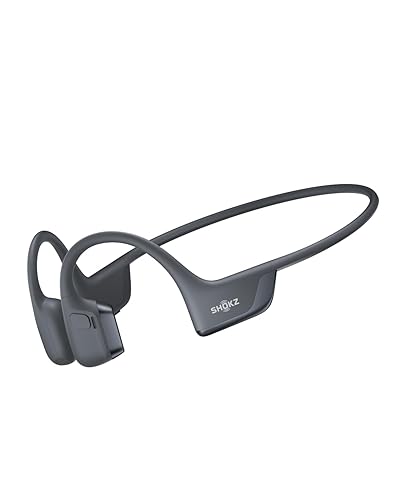 Best for premium soundSHOKZ OpenRun Pro 2 Bone Conduction Bluetooth Sport HeadphonesView on Amazon
- 7
 Best for hybrid audioHybrid Bone & Air Drivers Open Ear Earbuds, Bluetooth 6.0, AI Music ApView on Amazon
Our Top Picks
| Product | Best for | Key feature |
|---|---|---|
| Sekoda Bone Conduction Headphones | Overall everyday use | Balanced open-ear design |
| Bone Conduction Waterproof Headphones (22g) | Long sessions | Around 10-hour playtime |
| Raycon Bone Conduction Headphones (Gray) | Clear calls | Sweat and water resistance, mic |
| Bone Conduction Headphones with LED Display | Budget-minded buyers | LED power display |
| Raycon IP67 Waterproof 2nd Gen | Rain and heavy sweat | IP67 rating, dual mic |
| SHOKZ OpenRun Pro 2 | Premium sound | DualPitch audio, IP55 |
| Otium Hybrid Bone and Air Drivers | Richer bass | Hybrid bone and air drivers |
Sekoda Bone Conduction Headphones (Black)
Sekoda Bone Conduction Headphones (Black)
Best for: Overall everyday use
A straightforward option for people who want an open-ear pair for walks, commuting and light workouts.
Pros:
- Simple, lightweight open-ear design
- Comfortable for extended wear
Cons:
- Fewer advanced features than premium models
Bone Conduction Waterproof Headphones, Bluetooth 6.0, 22g
Bone Conduction Waterproof Headphones , Bluetooth 6.0, 22g Lightweight Open Ear Headphones with Noise-Reducing Mic, Clear Balanced Audio, 10H Playtime, Water-Resistant for Running, Cycling & Workouts
Best for: Long battery life
Suited to runners and cyclists who want to go hours between charges without carrying extra gear.
Pros:
- Listed at about 10 hours of playtime
- Very light at 22 grams
Cons:
- Water resistance is best suited to sweat and light rain
Raycon Bone Conduction Headphones (Gray)
Raycon Bone Conduction Headphones – Open Ear Running Headphones & Bluetooth Earbuds, Sweat & Water-Resistant with Mic (Gray)
Best for: Clear calls
A good fit for people who take calls while running or commuting and want the voice pickup to stay clear.
Pros:
- Built-in microphone for calls
- Sweat and water-resistant construction
Cons:
- Fit may take some adjustment for first-time users
Bone Conduction Headphones with LED Power Display
Bone Conduction Headphones, Bluetooth 6.0 Open-Ear Headphones with LED Power Display, 12-Hour Playtime Earbuds with Mic, IPX5 Waterproof Earphones Ultra-Light for Running, Cycling, Walking Black
Best for: Budget-minded buyers
Works for buyers who want a capable open-ear pair without paying for premium features they may not use.
Pros:
- LED display shows remaining battery
- Listed at about 12 hours of playtime
Cons:
- Sound detail is modest compared with premium models
Raycon IP67 Waterproof 2nd Gen
IP67 Waterproof; 16H Battery Life; Dual Mic Call Clarity; Lightweight, Open-Ear Design; Running/Cycling/Commuting Raycon Everyday Bone Conduction Headphones, 2nd Gen, Black
Best for: Rain and heavy sweat
Aimed at outdoor runners and commuters who expect wet conditions and want a pair built to handle them.
Pros:
- IP67 rating for dust and water immersion protection
- Dual microphone for call clarity
Cons:
- Heavier feel than the lightest models on this list
SHOKZ OpenRun Pro 2 Bone Conduction Bluetooth Sport Headphones
Bundle with Reflective Strip;DualPitch premium sound;Open ear awareness; Smart Mic; IP55; 12H battery; Running/Cycling/Hiking SHOKZ OpenRun Pro 2 Bone Conduction Bluetooth Sport Headphones, Black
Best for: Premium sound
Best suited to buyers who care about audio quality and are comfortable paying a premium for brand-level refinement.
Pros:
- DualPitch audio aimed at fuller sound
- IP55 rating and about 12-hour battery
Cons:
- Costs more than most options here
Buying Guide
Fit and Comfort
Bone conduction headphones rest on your cheekbones and temples rather than inside your ear, so the band tension and weight distribution matter a lot. Look for a light frame and an adjustable band that holds steady during runs without pressing hard on your head. Try to match the headband size to your head shape before committing, especially if you plan to wear them for long sessions.
Battery Life
Listed playtimes vary widely across these models, and real-world results depend on volume level and whether you use Bluetooth calls. If you run long distances or train for hours, prioritize a model with a higher rated battery and a quick-charge option. Shorter-run users can save money with a model that offers enough playtime for a typical workout.
Water and Sweat Resistance
Running headphones take a lot of sweat and rain, so check the IP rating carefully. IPX5 covers sweat and light splashes, while IP67 and IPX6 offer stronger protection against water and heavy moisture. Pick a rating that matches the conditions you train in most often.
Microphone and Call Clarity
If you take calls or use voice assistants while running, the microphone setup matters. Dual-mic designs with noise reduction tend to pick up your voice more clearly in wind and street noise. If you rarely make calls, this factor becomes less important and you can focus on sound quality and comfort.
Sound Clarity and Open-Ear Awareness
Bone conduction delivers sound differently than standard earbuds, so bass output is often lighter. Models that advertise balanced audio or hybrid drivers may sound fuller, while open-ear designs keep you aware of traffic and people around you. Choose based on whether you value immersive music or situational awareness more during your workouts.
FAQ
Are bone conduction headphones safe for running outdoors?
Yes, they are generally considered a practical choice for outdoor running because they leave your ear canals open. You can still hear footsteps, cars and people nearby. Keep the volume at a moderate level so you stay aware of your surroundings.
Do bone conduction headphones work with glasses or hats?
Most models sit on the cheekbones and temples, so they can work with glasses, though some frames may create pressure points. Thin or lightweight glasses usually fit better than heavy frames. Trying the headphones with your own eyewear before a long run is a good idea.
How do I know if a model is waterproof enough for swimming?
Most bone conduction headphones in this category are designed for sweat, rain and splashes, not submersion. Check the IP rating on the product listing and follow the manufacturer’s guidance on use. Avoid wearing them in pools or open water unless the listing explicitly says they are suited for it.
Will bone conduction headphones leak sound to people around me?
Some sound can be audible to people very close to you, especially at higher volumes. Keeping the volume at a moderate level reduces leakage. In quiet settings, this is worth considering before you play music loudly.
Can I use them for calls as well as music?
Many of these models include a built-in microphone and support Bluetooth calls. Call quality depends on the microphone design and the surrounding noise. Models with dual mics and noise reduction generally perform better during outdoor calls.
Conclusion
If you want an all-around choice for running and everyday use, the Sekoda model is a strong starting point. Runners who train for long hours should look at the options with the longest battery life, while those who take frequent calls will benefit from a dual-mic design.
Buyers who run in wet or dusty conditions should prioritize a higher IP rating, while anyone focused mainly on comfort and sound may prefer a lightweight open-ear model. Matching the features to your own routine will help you choose the right pair from this list.
Related reading
- Open-Ear and Bone Conduction Headphones Explained
- Best Bone Conduction Headphones for Sports: 3 Models Compared
- Xiaomi Bone Conduction Headphones Pairing: Step-by-Step Guide (2026)
- Wireless Bone Conduction Headphones UK: How to Choose the Right Pair (2026)
- Wireless Bone Conduction Headphones Aftershokz: 5 Best Picks Compared (2026)
- Wired Bone Conduction Headphones with Microphone: How to Choose the Right Pair
About Ethan Brooks
Ethan Brooks is part of our editorial team and reviews and edits our headphone tech & types guides, checking product details against manufacturer specifications and owner feedback.


