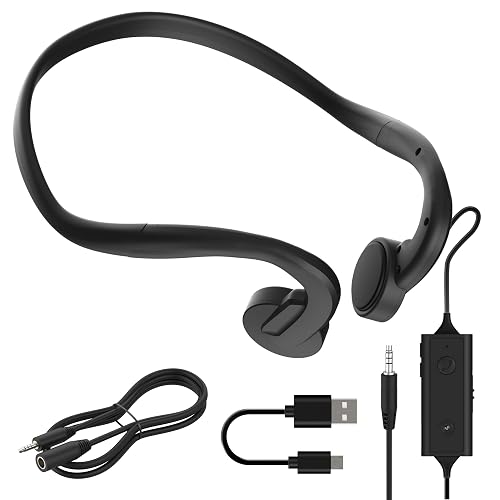
By Ethan Brooks
Updated November 2026
Open ear bone conduction headphones for running let you hear traffic, training partners and your own footsteps while you listen to music or calls. This guide compares seven models on fit, water resistance, battery life, microphone quality and how well each one stays put during faster efforts. Each entry reflects published specifications and common owner feedback patterns rather than hands-on testing.
Our top picks at a glance
- 1
 TOP CHOICEBest overallBone Conduction Waterproof Headphones, Bluetooth 6.0, 22gView on Amazon
- 2
 TOP CHOICEBest for sweaty sessionsRaycon Bone Conduction Headphones – Open Ear Running Headphones (Gray)View on Amazon
- 3
 TOP CHOICEBest for hybrid soundHybrid Bone & Air Drivers Open Ear Earbuds, Bluetooth 6.0View on Amazon
- 4
 Best for long battery lifeRaycon Everyday Bone Conduction Headphones, 2nd Gen, BlackView on Amazon
- 5
 Best for call claritySHOKZ OpenRun Pro 2 Bone Conduction Bluetooth Sport Headphones, BlackView on Amazon
- 6
 Best for visibilityBone Conduction Headphones, Bluetooth 6.0 with LED Power DisplayView on Amazon
- 7
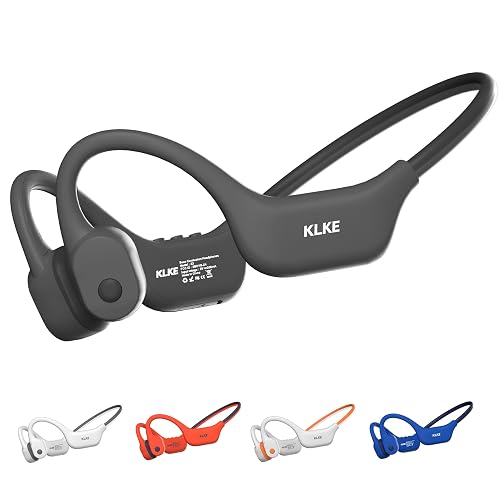 Best for low-light routesRear Safety Light, Dual Sound Modes, Adjustable Fit, IP66 Sweatproof,View on Amazon
Our Top Picks
Quick Comparison
| Product | Best for | Key feature |
|---|---|---|
| Bone Conduction Waterproof Headphones | Overall running fit | 22g lightweight frame |
| Raycon Bone Conduction Headphones (Gray) | Sweaty sessions | Sweat and water resistance |
| Hybrid Bone & Air Drivers Open Ear Earbuds | Hybrid sound | Bone and air drivers |
| Raycon Everyday Bone Conduction Headphones, 2nd Gen | Long battery life | 16-hour battery, IP67 |
| SHOKZ OpenRun Pro 2 | Call clarity | Smart mic, IP55 |
| Bone Conduction Headphones with LED Power Display | Visibility | LED power indicator |
| Z3 Open-Ear Bone Conduction Headphones with Mic | Low-light routes | Rear safety light |
Bone Conduction Waterproof Headphones, Bluetooth 6.0, 22g
Bone Conduction Waterproof Headphones , Bluetooth 6.0, 22g Lightweight Open Ear Headphones with Noise-Reducing Mic, Clear Balanced Audio, 10H Playtime, Water-Resistant for Running, Cycling & Workouts
Best for: Overall running fit
This is a good fit for runners who want a light frame and a noise-reducing mic for calls on the move. Owners often report a secure feel at moderate paces.
Pros
- 22g weight keeps the frame comfortable
- 10-hour playtime per charge
Cons
- Fit varies with head size
Raycon Bone Conduction Headphones – Open Ear Running Headphones (Gray)
Raycon Bone Conduction Headphones – Open Ear Running Headphones & Bluetooth Earbuds, Sweat & Water-Resistant with Mic (Gray)
Best for: Sweaty sessions
Suited to runners who sweat heavily and want a model rated for moisture. The mic is included for hands-free calls.
Pros
- Sweat and water resistance for humid runs
- Built-in mic for calls
Cons
- Volume can feel modest in loud traffic
Hybrid Bone & Air Drivers Open Ear Earbuds, Bluetooth 6.0
Hybrid Bone & Air Drivers Open Ear Earbuds, Bluetooth 6.0, AI Music App, 12H Playtime, IPX6 Waterproof, Running Headphones Otium Bone Conduction Headphones, 2026 Hybrid Stereo Open Ear Headphones
Best for: Hybrid sound
Best for listeners who want more low-end body than a pure bone conduction design usually offers. It combines bone and air drivers in one housing.
Pros
- IPX6 rating for rain and heavy sweat
- 12-hour playtime
Cons
- Hybrid design can feel slightly heavier
Raycon Everyday Bone Conduction Headphones, 2nd Gen, Black
IP67 Waterproof; 16H Battery Life; Dual Mic Call Clarity; Lightweight, Open-Ear Design; Running/Cycling/Commuting Raycon Everyday Bone Conduction Headphones, 2nd Gen, Black
Best for: Long battery life
A practical pick for long training blocks or multi-day trail runs where charging is inconvenient. The IP67 rating covers full submersion for short periods.
Pros
- 16-hour battery life
- IP67 waterproof rating
Cons
- Heavier than the lightest models on this list
SHOKZ OpenRun Pro 2 Bone Conduction Bluetooth Sport Headphones, Black
SHOKZBundle with Reflective Strip;DualPitch premium sound;Open ear awareness; Smart Mic; IP55; 12H battery; Running/Cycling/Hiking OpenRun Pro 2 Bone Conduction Bluetooth Sport Headphones, Black
Best for: Call clarity
Aimed at runners who take frequent calls and want awareness of their surroundings. The smart mic and reflective strip add practical value on roads.
Pros
- Smart mic for clearer calls
- Reflective strip for visibility
Cons
- IP55 is less protective than IP67 for heavy rain
Bone Conduction Headphones, Bluetooth 6.0 with LED Power Display
Bone Conduction Headphones, Bluetooth 6.0 Open-Ear Headphones with LED Power Display, 12-Hour Playtime Earbuds with Mic, IPX5 Waterproof Earphones Ultra-Light for Running, Cycling, Walking Black
Best for: Visibility
Useful for runners who want to check battery status at a glance before heading out. The LED display is easy to read during a warm-up.
Pros
- LED power display
- 12-hour playtime
Cons
- IPX5 is less protective than higher ratings
Buying Guide
Fit and Stability While Running
Look for a headband or ear hook design that holds its position through heel strikes and head movement. Adjustable fit options and a lightweight frame make it easier to keep the headphones in place over longer runs. Try to choose a model that sits snugly against the cheekbones without causing discomfort after extended wear.
Weight matters too. Lighter frames generally feel less noticeable on the head, which helps during intervals and hill repeats.
Water and Sweat Resistance
Running in rain or heavy sweat puts electronics to the test, so check the IP rating carefully. Ratings like IP55, IP66, IP67 and IPX5 or IPX6 describe different levels of protection against dust and water, and a higher number generally means more robust sealing. If you train in wet conditions often, prioritize a model with a stronger rating.
Battery Life and Charging
Consider how long you train in a typical session and how often you can charge. Published playtime figures vary widely, so match the battery life to your longest weekly run plus a buffer. A quick-charge feature or a model with a clear battery indicator can also save time between workouts.
Microphone and Call Quality
If you take calls or use voice assistants on the run, pay attention to the microphone setup. Models with dual or noise-reducing microphones tend to handle wind and street noise better than those with a single basic mic. Think about whether you need this feature or mainly want music and occasional audio cues.
Awareness and Sound Quality
The main appeal of open ear designs is staying aware of your surroundings. Confirm that the model lets ambient sound reach your ears, and check whether it offers features like a reflective strip or rear light if you run near traffic. Balanced audio is worth considering if you listen to music regularly, while basic sound may be fine for podcasts and coaching cues.
FAQ
Are bone conduction headphones safe for running outdoors?
Bone conduction headphones leave your ear canals open, so you can hear traffic, cyclists and other runners while listening to audio. This makes them a popular choice for road and trail runners who want to stay alert. Still, keep the volume at a moderate level so you can always hear what is happening around you.
Do open ear headphones stay in place during fast runs?
Most models use a headband or ear hook designed to stay put during movement, but fit varies from person to person. Adjustable designs and lightweight frames generally hold up better during faster efforts. Trying a few adjustments before your first long run can help you find the most secure position.
How do I know which water rating I need?
If you only run in dry weather and occasionally sweat, a moderate rating may be enough. If you train in rain, snow or humid conditions, a higher rating gives you more protection. Check the manufacturer’s rating description to understand exactly what level of water and dust resistance each model offers.
Can I take phone calls with bone conduction headphones?
Many models include a built-in microphone that supports calls and voice commands. Microphone quality differs across models, so look for noise-reducing or dual-mic designs if you plan to talk often outdoors. Test your calls in a quiet space first to see how clearly you come through.
Are these headphones good for cycling and hiking too?
Several of the models covered here are marketed for cycling, hiking and general outdoor sports as well as running. Their open ear design and weather resistance make them versatile for these activities. Check each product’s listed features to confirm it suits the specific sports you plan to do.
How should I clean my bone conduction headphones after a sweaty workout?
Wipe the headphones with a soft, slightly damp cloth after each session to remove sweat and dirt. Avoid harsh chemicals and let them air dry fully before storing. Keeping the contact points and charging ports clean helps maintain both comfort and performance over time.
Conclusion
Runners who prioritize a lightweight, all-around option with reliable water resistance should consider the best overall pick, while those who sweat heavily may prefer the Raycon model built for sweaty sessions. If you want a blend of bone conduction and traditional audio, the hybrid design is a strong choice for music lovers.
For those who value sport-specific features like LED displays, reflective safety lights or higher-end sound, the remaining models offer targeted options. Match your choice to your most common training conditions, battery needs and how much you rely on calls and music.
Related reading
- 7 Best Open-Ear Bone Conduction Headphones for Running and Daily Use
- Top 7 Bone Conduction Open-Ear Headphones Compared for Every Need
- Shokz Openrun Pro Premium Bone Conduction Open-ear Sport Headphones: A Practical Guide (2026)
- Open-Ear and Bone Conduction Headphones Explained
- Open Ear Bone Conduction Headphones Bluetooth: 5 Best Picks Compared (2026)
About Ethan Brooks
Ethan Brooks is part of our editorial team and reviews and edits our headphone tech & types guides, checking product details against manufacturer specifications and owner feedback.