 By Lauren Holland
Updated November 2026
All types of Beats headphones fall into a handful of distinct families: on-ear and over-ear wireless models, noise-cancelling designs, true wireless earbuds, sport-focused earphones, and wired options that still appeal to certain listeners. This guide explains what separates each family, how to match a style to how you actually listen, and which features are worth paying attention to before you buy. By the end, you should be able to narrow the lineup to two or three realistic candidates.
Step 1: Start With the Form Factor
The first decision is physical shape, because it drives comfort, sound isolation, portability and battery size. Beats has historically sold headphones in three main form factors, and most of its catalog falls into one of them.
Shopping for one? See our guide: 7 Best All Types of Headphones Compared for Every Need (2026).
Over-ear headphones
Over-ear models sit around the ear with cushions that enclose it. The larger ear cups leave room for bigger drivers and bigger batteries, which usually means longer playback times and fuller low-frequency response. The trade-off is size: these are the least pocketable option and can feel warm during long sessions. They suit home listening, long commutes with a dedicated bag, and anyone who wants the most immersive sound the brand offers. If you want more background, see Understanding Headphone Cable Types and Upgrades.
On-ear headphones
On-ear designs rest on the outer ear rather than enclosing it. They are lighter and more compact than over-ear models, but the pads press on the ear itself, which some wearers find less comfortable over an hour or more. Sound isolation is typically weaker, so they work best in quiet to moderate environments.
In-ear earbuds
Earbuds insert into the ear canal and offer the most portable format. Within this category, Beats offers both true wireless buds with a charging case and neckband-style designs that connect two earpieces with a cable. Canal fit matters more here than with any other type, because a poor seal reduces bass and increases leakage. Most Beats earbuds include multiple ear tip sizes for this reason.
Step 2: Decide Between Wired and Wireless
Connection type affects convenience, audio quality ceiling and the number of devices you need to carry. Our site has a broader comparison in Wired vs Wireless Headphones: Real Trade-Offs, but the core Beats decision comes down to these points:
- Wireless (Bluetooth): No cable to snag, easy to pair with phones, tablets and laptops. Battery life becomes the limiting factor.
- Wired (3.5mm or lightning-style cable): No battery to charge, consistent connection, and predictable latency for video. Some Beats models still support a cable as a backup or as a primary input.
Many current Beats models support both modes. Check the spec sheet for whether a cable is included and whether the wired connection works with the playback mode you use most.
Step 3: Choose the Feature Set You Need
Active noise cancelling (ANC)
ANC uses microphones to detect ambient sound and generate an opposing signal that reduces it. It works best on steady, low-frequency noise such as engine rumble, HVAC hum and airplane cabin drone. It is less effective on sudden sounds like voices or door slams. Several Beats models include ANC, and some add a transparency mode that pipes outside sound back in so you can hear announcements or traffic.
Codec support
Codecs determine how audio is compressed over Bluetooth. Most Beats wireless models use the standard SBC and AAC codecs, which work well with iPhones and many Android phones. Some newer models add adaptive or higher-bitrate codecs. If you use an Android phone with support for a higher-quality codec, confirm that both the headphones and the phone support the same one, or the connection will fall back to a lower standard. For a deeper look, see Top 8 Bluetooth Audio Codec Selection Picks: Headphones and Earbuds Compared.
Battery life
Manufacturers publish battery figures under test conditions that usually mean moderate volume and no ANC. Real-world life tends to drop when ANC is active or volume is high. Earbuds typically list shorter per-charge times but add more from the case. Over-ear models generally last longest per charge.
Sport and water resistance
If you plan to exercise outdoors, look for an IP rating. The first digit indicates dust resistance and the second indicates water resistance. IPX4 means splash-resistant, which handles sweat and light rain. IPX7 means the device can be submerged briefly. Neither rating means the headphones are suitable for swimming. Sport-oriented models also tend to include ear hooks or fins for stability during movement.
Bone conduction
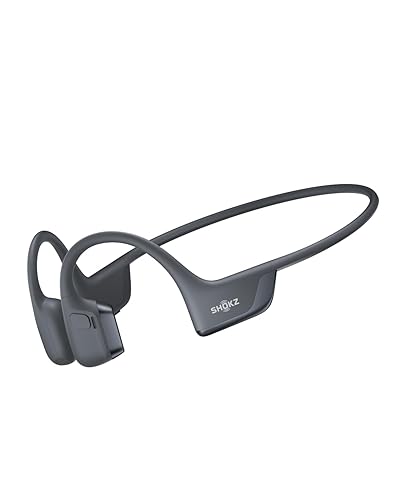
Bone conduction headphones sit in front of the ear and send vibrations through the cheekbone, leaving the ear canal open. They suit runners or cyclists who need ambient awareness. Beats has not been a major player in this category, so if open-ear audio is your priority, compare dedicated bone conduction products. Our article on Wireless Bone Conduction Headphones Aftershokz: 5 Best Picks Compared (2026) covers that style directly.
Step 4: Match the Type to Your Listening Habits
Use the table below to map common use cases to a likely Beats category. These are general starting points rather than rules, and you should check current specs before buying.
| Primary use | Best-fit style | Key features to check |
|---|---|---|
| Home listening and long sessions | Over-ear wireless | Comfort padding, battery life, codec support |
| Commuting on noisy transit | Over-ear or in-ear with ANC | ANC strength, transparency mode, case size |
| Gym and running | Sport earbuds | IP rating, secure fit, ear hooks or fins |
| Calls and remote work | Any wireless with strong mic | Microphone quality, multipoint pairing |
| Travel and flights | Over-ear or earbuds with ANC | ANC performance, folding design, case durability |
| Wired-only setup or gaming | Wired over-ear or in-ear | Cable quality, connector type, adapter needs |
Step 5: Check Compatibility Before You Buy
Compatibility is where many buyers run into problems. Confirm these items:
- Your phone or laptop supports Bluetooth at the version the headphones require.
- Your device has a 3.5mm jack, or you have the right adapter for wired use. If your phone only has USB-C, a USB-C to 3.5mm adapter will be needed. Our guide to Type C Headphone Adapter: 6 Best Picks for Phones and Laptops (2026) lists options.
- The companion app, if any, runs on your operating system.
- You know whether multipoint pairing matters. It lets the headphones connect to two devices at once, useful if you switch between a laptop and a phone.
Recommended gear
A few accessories make a practical difference, particularly for wired use or for getting a secure fit with earbuds.
- USB-C to 3.5mm adapter: Lets phones without a headphone jack use wired Beats models. Look for one that supports audio-only playback to avoid mic conflicts. View on Amazon
- Replacement ear tips in multiple sizes: Improves seal and bass response on earbuds, and replaces worn tips without buying new earphones. View on Amazon
- Hard carrying case: Protects over-ear headphones from crushing in a bag, which is a common cause of hinge damage. View on Amazon
Common mistakes
- Buying on sound alone without testing fit. Comfort and seal matter as much as tuning, especially with earbuds.
- Assuming ANC works on everything. It handles steady noise well and sudden noise poorly.
- Trusting battery claims without context. Expect shorter runtimes with ANC on and volume high.
- Ignoring codec pairing. A high-quality codec only helps if both ends support it.
- Misreading IP ratings. Water resistance is not swim-proofing.
Tips for choosing
- Read the return policy before you buy, and try the fit for at least a few sessions.
- If you mostly use one device, prioritize the codec and features that device supports.
- For earbuds, do a seal test during a quiet moment: listen for bass loss and the sound of your own voice when you speak.
- Keep firmware updated through the companion app, since some features and stability fixes arrive that way.
FAQ
How many main types of Beats headphones are there?
Most of the lineup falls into over-ear, on-ear and in-ear earbud forms, with wired and wireless versions across them. Sport-focused and noise-cancelling variants cut across these categories.
Do all Beats headphones have noise cancelling?
No. ANC is available on selected models. Check the feature list for each product, as it is not standard across the line.
Can I use Beats headphones with an iPhone and Android phone?
Yes. Most wireless models pair with both via Bluetooth. Some features, such as certain automatic pairing or spatial audio options, may work best on one platform.
What does IPX4 mean on Beats earbuds?
IPX4 means the earbuds resist splashes from any direction, which covers sweat and light rain. They are not designed for immersion or swimming.
Do wired Beats headphones need batteries?
No. Wired models draw power from the audio source, so they do not need charging. Some features, such as ANC, may require a battery even in wired mode.
Are Beats good for gaming?
They can be, particularly wired models that avoid Bluetooth latency. Wireless latency varies by codec and device, so check whether the model offers a low-latency mode if you play competitive titles. For broader context, see Types of Apple Headphones: Every Model Compared for 2026 to compare Apple-linked options.
How do I know which type suits my ears?
Try on several styles if you can. Over-ear models suit people who find earbuds uncomfortable, while earbuds suit those who want portability and a secure fit during movement. Ear tip sizing is the main variable for in-ear designs.
Should I consult a professional about hearing health?
If you listen at high volume for long periods or notice ringing or hearing changes, consult an audiologist or doctor. Keeping volume moderate and taking breaks reduces risk.
Conclusion
All types of Beats headphones break down into a few practical categories: over-ear, on-ear, and earbuds, each available in wired or wireless form. Choose the form factor first, then check the features that matter for your routine, including ANC, codec support, battery life and IP rating. Confirm compatibility with your devices before buying, and you will narrow the field quickly.
Ready to choose one?
About Lauren Holland
Lauren Holland is part of our editorial team and reviews and edits our headphone tech & types guides, checking product details against manufacturer specifications and owner feedback.