 By Ethan Brooks
Updated November 2026
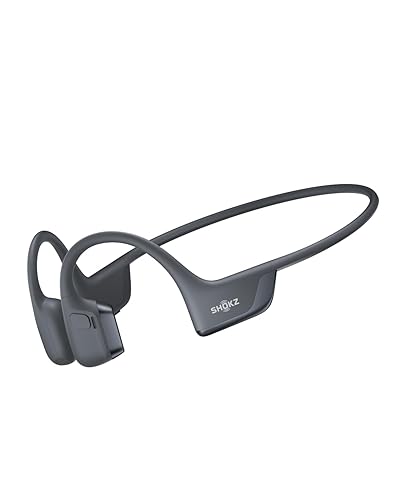
Shokz OpenRun SE bone conduction headphones are open-ear sport headphones that send sound through your cheekbones instead of your ear canal. This guide walks you through what the OpenRun SE is designed to do, how to check whether the fit and features suit your routine, and how to set it up so you get clear audio without losing awareness of your surroundings. By the end, you should be able to decide whether this model fits your needs and use it safely from the first run.
What the Shokz OpenRun SE Is Built For
The OpenRun SE belongs to the bone conduction category, a type of headphone that rests on the temples or cheekbones and transmits vibrations through bone to the inner ear. Because nothing sits inside or over the ear canal, you can still hear traffic, cyclists, training partners and household sounds. That tradeoff defines the whole product: you give up some low-end bass and sound isolation in exchange for situational awareness.
Shopping for one? See our guide: 5 Best Shokz OpenRun Bone Conduction Headphones Compared (2026).
Manufacturers position the OpenRun SE for running, cycling, hiking and other outdoor activity where you need to stay alert. It is not designed for critical listening or noisy environments where you need to block sound. If your main goal is immersive music at a desk or on a commute with heavy noise, a different type of headphone will serve you better. For a broader look at the category, see Open-Ear and Bone Conduction Headphones Explained.
Step 1: Confirm the Model Fits Your Use Case
Before you focus on setup, check whether this open-ear design matches how you plan to use it. Answer these questions honestly:
- Will you run or ride on roads, trails or shared paths where hearing ambient sound matters?
- Do you need to hear announcements, calls from others or approaching vehicles?
- Are you sensitive to the slight pressure that a temple-mounted band can create during long sessions?
- Do you expect deep bass or strong noise cancellation for a commute or office?
If you answered yes to the first two and no to the last two, the OpenRun SE is likely a reasonable match. If you are weighing it against other models, our overview of Shokz Bone Conduction Headphones: How to Choose the Right Pair covers the key differences between Shokz lines.
Step 2: Check the Fit Before You Pair Anything
Fit affects both sound quality and comfort. Bone conduction depends on steady contact between the transducers and your skin, so a loose band will make audio sound thin and quiet. Follow this sequence:
- Clean the contact points on your temples with a dry cloth. Oils and sweat can reduce grip over time.
- Place the band behind your head, then position each transducer just in front of your ear, on the cheekbone or temple bone, not on the ear cartilage.
- Tighten the band so the transducers rest firmly but without pinching. You should feel light, even pressure.
- Shake your head gently and jog in place. The headphones should stay put without repositioning.
- Play a track with a steady bass line and adjust the position until the sound feels fullest.
A fit guide written for the broader Shokz family is useful here too. You can compare your technique with How to Wear Bone Conduction Headphones: A Step-by-Step Fit Guide.
Step 3: Set Up Pairing and Connectivity
The OpenRun SE connects to phones and other Bluetooth devices. Before your first run, complete setup indoors so you are not troubleshooting on the road.
Pairing Basics
- Charge the headphones fully using the included cable before first use.
- Turn the power on and enter pairing mode, following the indicator light pattern in the manufacturer manual.
- Select the device name on your phone and confirm the connection.
- Test call audio and music playback separately, since microphone and speaker behavior can differ.
Managing Volume for Safety
Because you can hear your surroundings, it is tempting to turn volume up to compensate for wind or traffic. Keep volume at a level where you can still hear conversation and vehicles clearly. Health and hearing specialists generally advise limiting prolonged high-volume listening. If you have existing hearing concerns, consult an audiologist before relying on any headphones for daily use. Our article on Bone Conduction Headphones Hearing Damage: What Causes It and How to Avoid It explains the main risk factors.
Step 4: Build a Routine for Charging and Care
Sweat and dust are the main threats to outdoor headphones. Build simple habits that protect the transducers and battery.
| Task | How Often | What to Do |
|---|---|---|
| Wipe down after use | Every session | Use a soft, dry cloth to remove sweat from the band and contact points |
| Check the band | Weekly | Look for cracks, loose connections or worn padding |
| Charge before long trips | Before each long session | Plug in with the supplied cable and let the indicator confirm full charge |
| Store dry | After every use | Keep in a dry place away from direct heat or sunlight |
Manufacturers typically recommend avoiding harsh chemicals or submerging the headphones unless the specific model is rated for that. Read the water resistance rating in the product documentation before rinsing them.
Checklist Before Your First Session
- Battery fully charged with the included cable
- Phone paired and test audio checked indoors
- Band fitted with light, even contact on both cheekbones
- Volume set low enough to hear traffic and your surroundings
- Contact points wiped clean and dry
- Spare charging cable packed for longer outings
Common Mistakes to Avoid
- Wearing them too loose. Thin, distorted bass usually means the transducers are not making solid contact.
- Placing transducers on the ear. The target is the bone just in front of the ear, not the cartilage.
- Expecting noise isolation. Open-ear design means outside sound will reach you, especially in windy or loud environments.
- Ignoring sweat buildup. Residue can reduce grip and affect comfort over time.
- Skipping the indoor test. Discovering a pairing problem mid-run wastes the session.
Recommended Gear
A few accessories can make your OpenRun SE more practical for regular outdoor use.
- A spare USB charging cable. Keeping a second cable in your bag or car prevents a dead battery from ending a long ride.
- A microfiber cleaning cloth. A small, dry cloth removes sweat from the band without leaving lint behind. View on Amazon
- A hard-shell carrying case. Protects the headphones from crushing in a backpack or gear bag. View on Amazon
FAQ
Do Shokz OpenRun SE headphones block outside noise?
No. Their open-ear design is meant to let you hear surrounding sounds. Expect ambient noise to remain audible, which is the intended behavior for outdoor safety.
Can I use them with glasses?
Many bone conduction users wear glasses. Position the transducers on the cheekbone just in front of the ear, and the arms of your glasses should sit above or beside the band. Adjust the band if you notice pressure points.
Why do the headphones sound quiet?
Quiet or thin audio usually points to a loose fit. Re-tighten the band, clean the contact points and try repositioning the transducers slightly forward or back until the bass sounds fuller.
Are they safe to use every day?
Many owners use them daily, but safe listening depends on volume and duration. Keep volume moderate and take breaks. If you have concerns about your hearing, consult an audiologist.
Can I use them while swimming?
Only if the specific model is rated for water immersion. Check the manufacturer’s water resistance specification before exposing the headphones to pool or open-water conditions.
Do they work with calls?
The OpenRun SE supports phone calls through its built-in microphone, though call clarity can be affected by wind. Test calls in your typical environment before relying on them.
How do I know when the battery is low?
Most Shokz models use an indicator light or spoken voice prompt to signal low battery. Confirm the exact alert behavior in the product manual, then charge before your next session.
Conclusion
The Shokz OpenRun SE works best when you match its open-ear design to outdoor activity and set it up with care. Confirm your use case, dial in the fit, pair and test indoors, and keep volume at a safe, situationally aware level. With a simple care routine and a charging habit, you will get reliable performance on every run or ride.
Related reading
- Wireless Bone Conduction Headphones Aftershokz: 5 Best Picks Compared (2026)
- Top 7 Bone Conduction Open-Ear Headphones Compared for Every Need
Ready to choose one?
About Ethan Brooks
Ethan Brooks is part of our editorial team and reviews and edits our headphone tech & types guides, checking product details against manufacturer specifications and owner feedback.