 By Ethan Brooks
Updated November 2026
Shokz bone conduction headphones send sound through your cheekbones instead of your ear canal, which leaves your ears open to hear traffic, coworkers, and trail sounds. This guide walks you through how the technology works, what to compare across Shokz models, how to check fit and comfort, and which mistakes to avoid. By the end, you should be able to narrow the lineup to one or two models that match your activity and daily habits.
How Shokz Bone Conduction Headphones Work
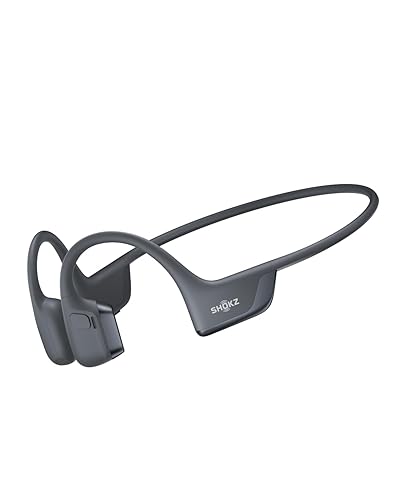
Traditional earbuds and over-ear headphones push sound into the ear canal or over the ear. Bone conduction works differently. A small transducer rests against the cheekbone just in front of the ear and sends vibrations through the skull to the inner ear. Because the ear canal stays uncovered, you can hear your surroundings at the same time as your audio. This design is the reason many runners, cyclists, and people who work near traffic prefer open-ear designs. Shokz has been one of the best-known brands in this category, and it sells several product lines under the Shokz name, including models that were previously marketed as AfterShokz.
The tradeoff is sound quality and volume. Bone conduction units generally deliver less bass and less dynamic range than sealed in-ear or over-ear designs, and they can leak a small amount of sound at higher volumes. If you are mainly listening to detailed music in a quiet room, a sealed headphone will usually sound fuller. If you need awareness of your environment, bone conduction has a clear advantage.
Step 1: Decide Which Activity You Are Buying For
Before comparing specific models, define your main use. Shokz products are often grouped by activity, and the right choice depends on how you move and where you listen.
- Running and cycling: Look for a secure, lightweight band and sweat resistance. A lightweight band with a rated IP water-resistance level is more useful than extra bass.
- Swimming: Confirm the model is rated for underwater use and has built-in storage for music. Not every open-ear model is designed for water.
- Commuting and walking in traffic: Prioritize call quality, a comfortable fit for long sessions, and a battery that lasts several workdays of light use.
- Office or home use: Battery life and call clarity matter more than rugged durability. Check whether the model supports multipoint pairing if you switch between a laptop and a phone.
Shokz publishes specifications for each model, including battery life, weight, and water rating. Use those numbers as your baseline rather than relying on marketing terms.
Step 2: Compare Key Specs Across Shokz Models
Once you know your activity, compare the features that affect daily use. The table below lists the specs most buyers check. Verify exact values on the current Shokz product page, since model details change.
| Feature | What It Affects | What to Look For |
|---|---|---|
| Water rating (IP level) | Sweat and rain resistance, swimming | IP55 or higher for workouts; a higher rating for swimming |
| Weight | Comfort during long runs or rides | Lighter units are easier to wear for hours |
| Battery life (stated) | How often you charge | Match the rated hours to your longest typical session |
| Bluetooth version | Connection stability and range | A recent Bluetooth version with multipoint if you pair two devices |
| Built-in storage | Playing music without a phone | Needed for swimming and some running setups |
| Microphone quality | Phone calls in noisy places | Dual or noise-reducing mics for outdoor calls |
If you want an overview of the full lineup, see 5 Best Shokz OpenRun Bone Conduction Headphones Compared (2026) and Wireless Bone Conduction Headphones Aftershokz: 5 Best Picks Compared (2026), which break down several models side by side.
Step 3: Check the Fit Before You Commit
Fit determines both comfort and sound. A transducer that sits too high, too low, or too far from the cheekbone will sound thin and may vibrate uncomfortably. Follow these steps when you first put on a pair:
- Place the band behind your head so the transducers rest just in front of each ear, on the cheekbone.
- Adjust the band so the pads sit firmly but not tightly. You should feel light, even contact.
- Play a track with clear vocals and turn the volume to a moderate level. Move your head side to side and up and down. If the sound drops out or shifts, readjust.
- Wear the headphones for 20 to 30 minutes to see if pressure builds at the temples or behind the ears.
Many owners report that the first few days require small adjustments. Shokz also notes in its guidance that a snug, stable fit gives the best audio. For a more detailed walkthrough, read How to Wear Bone Conduction Headphones: A Step-by-Step Fit Guide and Bone Conduction Headphones Aftershokz: A Step-by-Step Fit and Buying Guide.
Step 4: Think About Safety and Volume
Because bone conduction bypasses the ear canal, some people assume it is always safer for hearing. That assumption is not automatically correct. Loud audio at any delivery method can contribute to hearing strain over time. Keep volume at a level where you can still hear conversation nearby, and take breaks during long sessions. If you notice ringing, tenderness, or discomfort after use, stop and consult an audiologist or doctor. For more context, read Are Bone Conduction Headphones Safe? What Research and Specs Say (2026) and Bone Conduction Headphones Hearing Damage: What Causes It and How to Avoid It.
Step 5: Plan for Charging and Maintenance
Most Shokz models use a proprietary or USB-based charging cable, and battery performance declines gradually over years. To extend the life of your pair:
- Charge when the battery reaches a low level rather than letting it drain to zero repeatedly.
- Keep the charging port dry and clean, especially after swimming or sweaty workouts.
- Store the headphones at room temperature, not in a hot car.
- Keep the original cable or buy a replacement from a reputable source.
If your cable is lost or damaged, check whether a compatible replacement exists for your exact model before buying. See Raycon Bone Conduction Headphones Charger: 6 Best Replacement Cables of 2026 for an example of how replacement cables differ by brand.
Common Mistakes
- Buying on sound quality alone. Bone conduction is about awareness and comfort, not studio-grade bass.
- Ignoring the water rating. A sweat-resistant pair is not the same as one built for swimming.
- Skipping the fit test. A loose band can make the sound feel weak and cause fatigue.
- Turning the volume up to hear over noise. In loud environments, a higher volume is tempting but raises hearing strain risk.
- Assuming all open-ear headphones are the same. Compare bone conduction models with other open-ear designs using Open-Ear and Bone Conduction Headphones Explained.
Recommended Gear
- Shokz OpenRun: A common choice for runners who want a secure fit and open-ear awareness. View on Amazon
- Shokz OpenSwim: Designed for swimming and water sports, with onboard storage for music underwater. View on Amazon
- Shokz OpenComm: Built for office and call-heavy use, with a boom microphone for clearer voice pickup. View on Amazon
FAQ
Do shokz bone conduction headphones block outside sound?
No. The design leaves the ear canal open, so you can hear ambient sound alongside your audio. That is the main reason people choose them for running and commuting.
Are shokz headphones bone conduction models good for music?
They work well for podcasts, audiobooks, and spoken content. For music, they usually sound thinner in the bass than sealed headphones, though many listeners find them enjoyable for everyday listening.
How long do shokz bone conduction headphones last on one charge?
It depends on the model and volume level. Check the stated battery life on the Shokz product page and assume real-world life may be shorter at higher volume.
Can I use shokz bone conduction headphones while swimming?
Only if the specific model is rated for swimming. Confirm the water rating and whether the model supports onboard music storage before getting in the water.
Do bone conduction headphones cause hearing damage?
Any headphone played at high volume can contribute to hearing strain. Keep volume moderate, take breaks, and see a professional if you notice ringing or pain.
How do I know if the fit is correct?
The transducers should rest on the cheekbones just in front of the ears with firm, even contact. If sound cuts out when you move your head, adjust the band.
Are bone conduction headphones good for phone calls?
Call quality varies by model and microphone design. Models with boom or noise-reducing microphones generally perform better in noisy outdoor settings.
Should I consult a professional before using bone conduction headphones?
If you have hearing loss, ear infections, or ongoing ear pain, speak with an audiologist or doctor before extended use.
Conclusion
Shokz bone conduction headphones are a practical choice when you need to hear your surroundings while listening. Start by defining your activity, compare water rating, weight, battery life, and microphone quality, and test the fit carefully. Keep volume moderate and treat sound quality as a secondary benefit to awareness and comfort.
Ready to choose one?
About Ethan Brooks
Ethan Brooks is part of our editorial team and reviews and edits our headphone tech & types guides, checking product details against manufacturer specifications and owner feedback.