 By Ethan Brooks
Updated November 2026
Open air bone conduction headphones send sound through your cheekbones while leaving your ear canals open, so you can hear traffic, coaches and conversation at the same time. This list compares five models on the criteria that matter most for buyers: fit stability during movement, water and sweat resistance, battery life, microphone quality and how comfortable the frame feels over long sessions.
Our top picks at a glance
- 1
 TOP CHOICEBest overallBone Conduction Waterproof Headphones, Bluetooth 6.0 22g Open EarView on Amazon
- 2
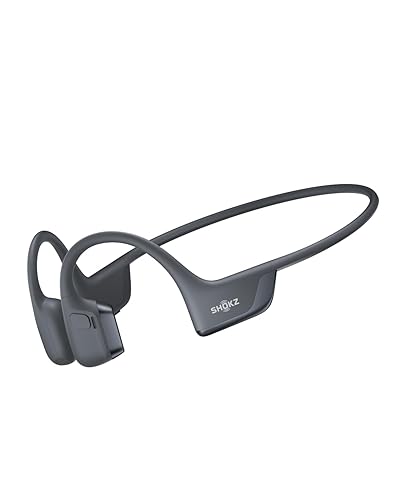 TOP CHOICEBest for trail and cyclingSHOKZ OpenRun Pro 2 Bone Conduction Bluetooth Sport HeadphonesView on Amazon
- 3
 TOP CHOICEBest for lightweight comfortRaycon Bone Conduction Headphones Open Ear Running HeadphonesView on Amazon
- 4
 Best for switching between air and bone soundOtium Bone Conduction Headphones Hybrid Bone and Air DriversView on Amazon
- 5
 Best for adjustable soundBone Conduction Headphones Open Ear Bluetooth 6.0 for SportsView on Amazon
Our Top Picks
| Product | Best for | Key feature |
|---|---|---|
| Bone Conduction Waterproof Headphones | Running and gym sessions | 22g frame, 10-hour playtime |
| SHOKZ OpenRun Pro 2 | Trail running and cycling | IP55 rating, 12-hour battery |
| Raycon Bone Conduction Headphones | Lightweight all-day wear | Sweat-resistant, built-in mic |
| Otium Bone Conduction Headphones | Hybrid sound preference | Bone and air drivers combined |
| Open Ear Bluetooth 6.0 Sports Headphones | Users who want EQ control | 3 EQ modes, 25g frame |
Bone Conduction Waterproof Headphones, Bluetooth 6.0 22g Open Ear
Bone Conduction Waterproof Headphones , Bluetooth 6.0, 22g Lightweight Open Ear Headphones with Noise-Reducing Mic, Clear Balanced Audio, 10H Playtime, Water-Resistant for Running, Cycling & Workouts
Best for: Running and gym sessions where you need a light frame and a clear microphone.
This model suits runners who want a very light frame that stays put during repetitive impact. The listing describes a noise-reducing mic and a water-resistant build for sweaty workouts.
Pros
- Listed at 22g, which many owners find easy to wear for long runs
- Manufacturer specifies about 10 hours of playback
Cons
- Lighter frames can feel less secure on some head shapes
SHOKZ OpenRun Pro 2 Bone Conduction Bluetooth Sport Headphones
SHOKZBundle with Reflective Strip;DualPitch premium sound;Open ear awareness; Smart Mic; IP55; 12H battery; Running/Cycling/Hiking OpenRun Pro 2 Bone Conduction Bluetooth Sport Headphones, Black
Best for: Trail running, hiking and cycling where you need dust and sweat protection.
This is the pick for riders and hikers who want a dependable, well-known bone conduction platform. Listings cite an IP55 rating and an open-ear awareness design for traffic and trail sounds.
Pros
- Manufacturer specifies IP55 dust and water resistance
- Listed battery life of about 12 hours
Cons
- Typically costs more than budget alternatives, which may matter to some buyers
Raycon Bone Conduction Headphones Open Ear Running Headphones
Raycon Bone Conduction Headphones – Open Ear Running Headphones & Bluetooth Earbuds, Sweat & Water-Resistant with Mic (Gray)
Best for: All-day wear and casual exercise where comfort matters more than extreme ruggedness.
This suits people who use headphones for commuting and light workouts. Owners often mention a comfortable fit for extended wear, and the listing notes sweat and water resistance plus a built-in mic.
Pros
- Built-in microphone for calls
- Sweat and water resistance suited to light workouts
Cons
- Water resistance is less rugged than IP-rated sport models
Otium Bone Conduction Headphones Hybrid Bone and Air Drivers
OtiumHybrid Bone & Air Drivers Open Ear Earbuds, Bluetooth 6.0, AI Music App, 12H Playtime, IPX6 Waterproof, Running Headphones Bone Conduction Headphones, 2026 Hybrid Stereo Open Ear Headphones
Best for: Listeners who want fuller sound than pure bone conduction usually delivers.
This hybrid design combines bone and air drivers, which may appeal to people who find standard bone conduction thin in the bass. The listing also cites an IPX6 rating and a companion app.
Pros
- Hybrid drivers aim to improve low-end response
- Manufacturer specifies IPX6 water resistance
Cons
- Hybrid designs can be bulkier than single-driver models
Bone Conduction Headphones Open Ear Bluetooth 6.0 for Sports
Enjoy wireless audio with open-ear comfort, 10+ hours of playback, 3 EQ modes and a lightweight 25g frame. Bone Conduction Headphones, Open Ear Bluetooth 6.0 for Sports
Best for: Users who want to adjust the sound profile to suit different activities.
This model fits listeners who like to tweak their audio. The listing mentions three EQ modes, a 25g frame and more than 10 hours of playback.
Pros
- Three EQ modes for different listening preferences
- Listed at 25g with more than 10 hours of playback
Cons
- Fewer durability and water-rating details appear in the listing than on some rivals
Buying Guide
Fit and Stability
The transducers must press lightly against the cheekbone, usually just in front of the ear. If a pair slides during jumps or sprints, check whether the band tension and frame weight suit your head size. For placement details, see Where to Place Bone Conduction Headphones: A Step-by-Step Fit Guide.
Good picks for this: SHOKZ OpenRun Pro 2, Bone Conduction Waterproof Headphones
FAQ
What are open air bone conduction headphones?
Open air bone conduction headphones rest on your cheekbones and send sound through bone vibration instead of blocking your ear canals. This design lets you keep hearing traffic, coaches and people around you while you listen to music or calls.
Are bone conduction headphones good for running?
Many runners like them because the open ear design improves awareness on roads and trails. Fit stability matters most during movement, so look for a frame that stays secure through sweat and bouncing.
Do bone conduction headphones work with sweat and rain?
Many models carry water or sweat resistance ratings, but the level of protection differs from product to product. Check the rating listed for each model and rinse the headphones after heavy sweating to keep them in good shape.
How long do the batteries last on these headphones?
Battery life varies across the five models, and manufacturers usually state playback time under specific conditions. Real-world results will depend on volume level, Bluetooth use and how often you use the microphone.
Can I take calls with open ear bone conduction headphones?
Most of these models include a built-in microphone for calls and voice commands. Microphone clarity can change in windy or noisy settings, so it is worth checking the noise-reducing features if you plan to talk often outdoors.
Are bone conduction headphones safe to use for long workouts?
Because they leave your ear canals open, they are generally comfortable for extended sessions and reduce the pressure some people feel from earbuds. Keep the volume at a moderate level and take breaks if you notice any discomfort around your cheekbones.
Conclusion
If you want the most all-around option for running and gym sessions, the top-rated overall pick is a strong starting point, especially if you value a lightweight frame and balanced sound. Buyers who spend time on trails or bike rides may prefer the sport-focused models that emphasize fit and durability in tougher conditions.
For budget-conscious shoppers or those who mainly want reliable open ear listening for everyday workouts, the remaining models offer solid choices with different battery, microphone and water resistance strengths. Compare the features that matter most to your routine before you buy.
Related reading
- Top 7 Bone Conduction Open-Ear Headphones Compared for Every Need
- Shokz Openrun Pro Premium Bone Conduction Open-ear Sport Headphones: A Practical Guide (2026)
- Open-Ear and Bone Conduction Headphones Explained
About Ethan Brooks
Ethan Brooks is part of our editorial team and reviews and edits our headphone tech & types guides, checking product details against manufacturer specifications and owner feedback.


