 By Ethan Brooks
Updated November 2026
Bone conduction waterproof headphones send sound through your cheekbones instead of your ear canal, and the best models pair that design with a sealed, water-resistant body. This guide explains how the technology works, what the waterproof ratings actually promise, and how to check a pair before you wear it in the pool or the rain. By the end, you will know which specs matter, how to fit the headphones so they stay put, and where waterproofing has real limits.
How Bone Conduction Waterproof Headphones Work
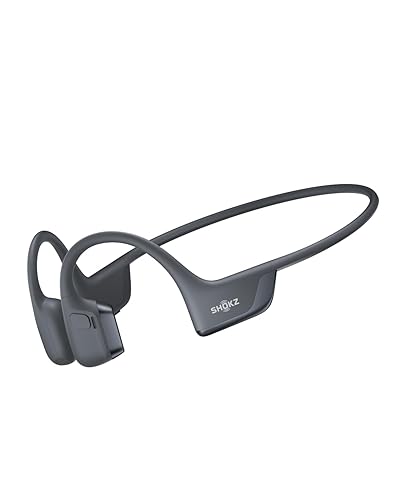
Traditional earbuds push sound into the ear canal, which is also where water tends to collect. Bone conduction headphones leave the canal open. Small transducers rest on the cheekbone just in front of the ear and vibrate gently, so the sound reaches the inner ear through bone. You still hear the room around you, which is why these designs are popular with runners and cyclists who need to hear traffic.
Shopping for one? See our guide: 7 Best Waterproof Bone Conduction Headphones for Swimming (2026).
Waterproofing adds a different challenge. The transducers and battery need a sealed housing, and the controls and charging port need gaskets. Manufacturers that sell swim-ready models usually design the frame around that seal rather than adding it as an afterthought. For background on the open-ear design itself, see Open-Ear and Bone Conduction Headphones Explained. For a deeper look, 25 Best Bone Conduction Headphones covers this in detail.
Step 1: Read the IP Rating Correctly
Most waterproof claims use an IP code, written as IP followed by two digits. The first digit covers dust and solids, and the second covers liquids. A second digit of 7 usually means the unit survives temporary immersion, while 8 means continuous submersion at a depth the manufacturer specifies. Sweat and rain are different from swimming, so a rating that fits one may not fit the other.
| IP Rating | What the Manufacturer Typically Means | Good For |
|---|---|---|
| IPX4 | Resists splashes from any direction | Sweat, light rain, gym use |
| IPX5 | Resists low-pressure water jets | Heavy sweat, outdoor running in rain |
| IPX7 | Survives temporary immersion at a stated depth | Shallow swimming, accidental drops in water |
| IPX8 | Continuous submersion beyond 1 meter, per manufacturer | Pool and open-water swimming |
Always read the exact depth and duration printed in the manual. A rating of IPX8 with a stated limit of one meter for 30 minutes is a very different promise from an unspecified “fully waterproof” label.
Step 2: Check the Fit Before Your First Swim
Waterproof seals only work when the frame sits correctly. Bone conduction units rely on firm, even contact with the cheekbone, and a loose fit lets sound leak and water creep in at the edges. Use this quick routine:
- Clip the band behind your head so the transducers sit just in front of the ear, touching the cheekbone.
- Shake your head side to side. The headphones should move with you without sliding up or down.
- Play audio at a moderate volume and check that the sound is clear at the first setting you would use.
- Adjust the band length if the pads press hard against the jaw while you chew or talk.
For a more detailed walkthrough, see How to Wear Bone Conduction Headphones: A Step-by-Step Fit Guide.
Step 3: Compare Battery, Codec and Audio Specs
Waterproof models are often used for long sessions, so battery life matters more than it does for casual listening. Manufacturers usually list playback time at a set volume, which is a better guide than a general “up to X hours” claim. Bluetooth codec support also affects sound quality and latency. Standard SBC is widely supported, while AAC is common on iPhones and aptX variants appear on some Android devices. Check whether your phone supports the codec you care about.
Also look for a stated Bluetooth version and multipoint support if you want to switch between a phone and a watch. These details are rarely printed on the box, so the spec sheet is where you find them.
Step 4: Plan Your Post-Swim and Post-Rain Care
Even a sealed unit benefits from careful handling. After saltwater or chlorinated pool use, rinse the headphones with fresh water and dry them with a soft cloth. Do not charge them while wet, and wait until the charging port is fully dry. Saltwater residue can corrode contacts over time, so a quick rinse after every session is a good habit.
Common Mistakes to Avoid
- Assuming all waterproof ratings are equal. A rating for sweat does not guarantee swimming performance.
- Charging with wet ports. Water near contacts can cause corrosion or charging faults.
- Wearing them too loose. A loose fit lets water in and makes bass sound thin.
- Ignoring the manual’s time limit. Long immersion beyond the stated duration exceeds what the seal was tested for.
- Skipping a post-use rinse. Chlorine and salt build up on gaskets and speaker grilles.
Tips for Better Results
- Test the fit on dry land before entering any water.
- Keep the charging cable in a dry bag when you travel to the pool or lake.
- If you plan to swim, compare models designed for that use. Our roundup of Bone Conduction Headphones for Swimming: 5 Best Picks Compared (2026) covers the options in more detail.
- For running in rain rather than swimming, a lower IP rating may be enough. See 7 Best Bone Conduction Headphones for Running in 2026.
Recommended gear
A few accessories make waterproof bone conduction headphones easier to use and maintain.
- Waterproof phone pouch lets you keep your phone dry while you track playlists and take calls by the pool. View on Amazon
- Quick-dry microfiber towel helps you wipe down the transducers and frame after each session without leaving lint in the seals. View on Amazon
- Silicone lanyard or sport band replacement can help if the original band stretches and stops holding the transducers firmly against the cheekbone. View on Amazon
FAQ
Are bone conduction waterproof headphones safe for swimming?
Models rated for immersion can be used in shallow water and pools when you stay within the manufacturer’s depth and time limits. Open-water conditions, strong currents and diving are outside what most consumer units are tested for. Always follow the manual.
What does IPX8 mean on bone conduction headphones?
IPX8 means the unit is designed for continuous submersion beyond a certain depth. The exact depth and duration are set by the manufacturer, so check the spec sheet before you swim.
Can I use them in the shower?
Many waterproof models tolerate shower spray, but hot water, soap and prolonged exposure can wear seals over time. Treat them as sweat-resistant for showers unless the manual says otherwise.
Do bone conduction headphones work underwater?
Sound travels through bone and water conducts sound well, so audio can be heard underwater on some models. The experience varies by unit and fit, so test it in a shallow pool first.
How do I clean waterproof bone conduction headphones?
Rinse with fresh water after saltwater or chlorine use, then dry with a soft cloth. Let the charging port dry completely before plugging in the cable.
Will the waterproof seal wear out?
Gaskets can degrade with heavy use, UV exposure and harsh chemicals. Regular rinsing and gentle handling extend their life. If you notice water inside or muffled sound, stop using the unit and contact the manufacturer.
Are these safe for hearing?
Because the ear canal stays open, bone conduction designs are often chosen for situational awareness. Hearing safety still depends on volume and time. Keep levels moderate. For more on this, see Bone Conduction Headphones Hearing Damage: What Causes It and How to Avoid It.
Conclusion
Bone conduction waterproof headphones combine an open-ear design with a sealed body, but the protection level depends on the IP rating and the depth and time the manufacturer specifies. Check the fit, read the spec sheet closely, and rinse the headphones after every session. With those habits, you can enjoy audio in the pool, in the rain or on a sweaty run without worrying about the seals.
Related reading
- Top 7 Bone Conduction Open-Ear Headphones Compared for Every Need
- Raycon Bone Conduction Headphones: Fit, Features and How to Choose
Ready to choose one?
About Ethan Brooks
Ethan Brooks is part of our editorial team and reviews and edits our headphone tech & types guides, checking product details against manufacturer specifications and owner feedback.