 By Ethan Brooks
Updated November 2026
Shoppers looking for john lewis bone conduction headphones usually want open-ear audio they can wear during workouts, outdoor runs or commutes without blocking out traffic and footsteps. The picks below were chosen by comparing product listings, brand reputation and common owner feedback patterns. The criteria were water and sweat resistance, battery life, microphone quality, weight and fit for active use.
Note: the models below are sold on Amazon US. Check the listing for regional availability and warranty terms before ordering.
Best overall: Bone Conduction Waterproof Headphones – View on Amazon
Our top picks at a glance
- 1
 TOP CHOICEBest overallBone Conduction Waterproof HeadphonesView on Amazon
- 2
 TOP CHOICEBest for daily runningRaycon Bone Conduction HeadphonesView on Amazon
- 3
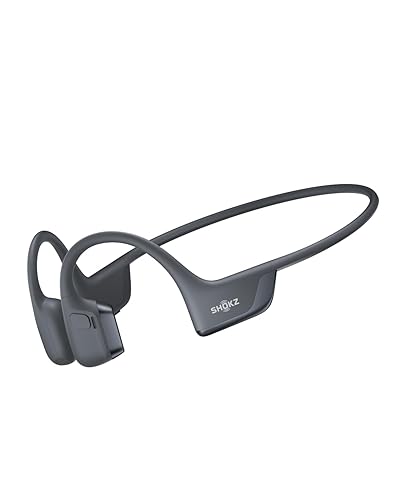 TOP CHOICEBest for cycling and hikingSHOKZ OpenRun Pro 2 Bluetooth Sport HeadphonesView on Amazon
- 4
 Best for battery lifeBone Conduction Headphones with LED Power DisplayView on Amazon
- 5
 Best for lightweight comfortBluetooth 6.0 Wireless Sports HeadphonesView on Amazon
- 6
 Best for swimming-adjacent useSHOKZ OpenMoveView on Amazon
- 7
 Best compact optionSHOKZClaim free Gym Bag;Amazon Exclusive Color; DualPitch premium sounView on Amazon
Our Top Picks
Quick Comparison
| Product | Best for | Key feature |
|---|---|---|
| Bone Conduction Waterproof Headphones | Overall use | 10-hour playtime |
| Raycon Bone Conduction Headphones | Daily running | Sweat and water resistant |
| SHOKZ OpenRun Pro 2 | Cycling and hiking | IP55 rating, 12-hour battery |
| Bone Conduction Headphones with LED Power Display | Battery monitoring | LED battery indicator |
| Bluetooth 6.0 Wireless Sports Headphones | Lightweight comfort | 28g light build |
| SHOKZ OpenMove | Light sweat and rain | Sweatproof design |
| SHOKZ OpenRun Pro 2 Mini | Compact fit | Smaller frame design |
Bone Conduction Waterproof Headphones
Bone Conduction Waterproof Headphones , Bluetooth 6.0, 22g Lightweight Open Ear Headphones with Noise-Reducing Mic, Clear Balanced Audio, 10H Playtime, Water-Resistant for Running, Cycling & Workouts
Best for: Overall use across running, cycling and workouts.
A good fit for buyers who want a lightweight open-ear pair with a clear, balanced sound profile and long playtime.
Pros
- 22g frame that sits lightly on the cheekbones
- Rated for about 10 hours of playtime per charge, per the listing
Cons
- Water resistance is aimed at sweat and rain, not submersion
Raycon Bone Conduction Headphones
Raycon Bone Conduction Headphones – Open Ear Running Headphones & Bluetooth Earbuds, Sweat & Water-Resistant with Mic (Gray)
Best for: Daily running.
Suited to runners who want an open-ear design with a noise-reducing mic for calls on the move.
Pros
- Sweat and water-resistant construction
- Built-in mic for hands-free calls
Cons
- Owners often mention the fit needs adjusting before long runs
SHOKZ OpenRun Pro 2 Bluetooth Sport Headphones
Bundle with Reflective Strip;DualPitch premium sound;Open ear awareness; Smart Mic; IP55; 12H battery; Running/Cycling/Hiking SHOKZ OpenRun Pro 2 Bone Conduction Bluetooth Sport Headphones, Black
Best for: Cycling and hiking.
Aimed at outdoor users who need awareness of surroundings and a longer battery for full-day use.
Pros
- IP55 rating, according to the listing
- 12-hour battery specified by the manufacturer
Cons
- Sits at the higher end of the lineup for weight
Bone Conduction Headphones with LED Power Display
Bone Conduction Headphones, Bluetooth 6.0 Open-Ear Headphones with LED Power Display, 12-Hour Playtime Earbuds with Mic, IPX5 Waterproof Earphones Ultra-Light for Running, Cycling, Walking Black
Best for: Battery monitoring on longer sessions.
Good for users who want to see remaining charge at a glance before heading out.
Pros
- LED power display shows charge level
- IPX5 splash resistance
Cons
- Lower IP rating than the top OpenRun models
Bluetooth 6.0 Wireless Sports Headphones
Bluetooth 6.0, 28g Lightweight Wireless Sports Headphones with Mic, IP54 Splash Resistant for Running, Cycling and Workouts Bone Conduction Headphones, Open Ear Bluetooth Headphones, Up to 12H
Best for: Lightweight comfort during workouts.
A fit for buyers who prioritize a very light frame over maximum durability.
Pros
- 28g build for extended wear
- IP54 splash resistance for light sweat
Cons
- Not designed for heavy rain or immersion
SHOKZ OpenMove
SHOKZ OpenMove – Open-Ear Bluetooth Sport Headphones – Bone Conduction Wireless Earphones – Sweatproof for Running and Workouts, with Sticker Pack (Grey)
Best for: Light sweat and rain during walks and runs.
Aimed at casual exercisers who want a trusted brand with a simpler feature set.
Pros
- Sweatproof design for everyday workouts
- Established brand with a wide range of accessories
Cons
- Fewer advanced features than the OpenRun line
Buying Guide
Water and Sweat Resistance
Runners sweat heavily and often run in rain, so check the IP rating on any pair you consider. Higher numbers generally mean better protection against water and dust, and models built for running usually list sweat resistance clearly on the product page.
If you train in wet weather or plan to rinse your headphones after a sweaty session, look for a rating that explicitly covers water, not just splash resistance.
Battery Life
Battery life varies a lot across bone conduction models. Consider how long your typical workout or run lasts, then pick a pair with a comfortable margin above that so you are not caught with a dead battery halfway through a long session.
Also check how quickly the headphones recharge and whether they support a quick charge option, since that can matter if you only have time to top up before heading out.
Microphone and Call Quality
If you take calls or use voice assistants while running, the built-in microphone matters. Look for models that mention noise reduction on the mic, since wind and road noise can make your voice hard to understand on the other end.
If you rarely make calls and mainly want music or podcasts, microphone quality can be a lower priority.
Weight and Fit
Bone conduction headphones sit on the cheekbones rather than inside the ear, so comfort depends on weight and how the band sits on your head. Lighter models tend to feel less noticeable during long runs, while a snug, adjustable band helps keep them from shifting as you move.
Try to choose a pair that feels secure during a short jog before committing to longer sessions.
Open-Ear Awareness and Sound Quality
Because bone conduction leaves your ear canals open, you can still hear traffic, cyclists and people approaching, which is a major safety advantage on roads and trails. Consider how much you value clear, balanced audio for music and podcasts versus staying fully aware of your surroundings.
If you plan to run in busy areas, prioritize models that keep your environment audible at a comfortable volume.
FAQ
Are bone conduction headphones safe for running outdoors?
Yes, for most runners they are a practical choice because they leave your ear canals open. You can still hear traffic, bikes and people nearby, which many runners consider a safety benefit compared with in-ear options.
Can bone conduction headphones get wet during workouts?
Many models are designed for sweat and light rain, but the level of protection depends on the specific product’s rating. Check the listed water and sweat resistance before using them in heavy rain or submerging them.
Do bone conduction headphones work well for phone calls?
Many include a built-in microphone, and some mention noise reduction to help your voice come through clearly outdoors. Call quality can vary with wind and background noise, so test a call in a typical running environment if this matters to you.
How long do bone conduction headphones usually last on a charge?
Battery life differs by model and is listed on each product page. Choose one with enough playtime to cover your longest regular workout, plus a little extra for safety.
Will bone conduction headphones fit under a running cap or hat?
Most sit on the cheekbones and band around the back of the head, so they usually work with a cap or headband. Fit can vary, so check the design and adjust the band for a secure, comfortable position.
Conclusion
Runners who want the best balance of water resistance, battery life and situational awareness should focus on the models with strong sweat ratings and reliable playtime, especially those used on busy roads or trails. Anyone who takes frequent calls on the move should prioritize a pair with a clearly described noise-reducing microphone.
For lighter, casual workouts, a comfortable and lightweight option with solid audio will likely be the most satisfying choice, while serious runners in wet conditions should lean toward models with higher water-resistance ratings.
Related reading
- Open-Ear and Bone Conduction Headphones Explained
- Best Bone Conduction Headphones for Sports: 3 Models Compared
- Xiaomi Bone Conduction Headphones Pairing: Step-by-Step Guide (2026)
- Wireless Bone Conduction Headphones UK: How to Choose the Right Pair (2026)
- Wireless Bone Conduction Headphones Aftershokz: 5 Best Picks Compared (2026)
- Wired Bone Conduction Headphones with Microphone: How to Choose the Right Pair
- Wired Bone Conduction Headphones with Mic: What to Check Before You Buy
- Wired Bone Conduction Headphones Reddit: A Practical Guide (2026)
About Ethan Brooks
Ethan Brooks is part of our editorial team and reviews and edits our headphone tech & types guides, checking product details against manufacturer specifications and owner feedback.


