By Ethan Brooks
Updated November 2026
Bone conduction headphones swimming with Spotify is possible, but the setup is different from a regular pair of earbuds. Most bone conduction models do not store music, and water blocks Bluetooth signals quickly. This guide explains how the technology works in the water, which features to check, and how to get music playing before you push off the wall.
How Bone Conduction Works Underwater
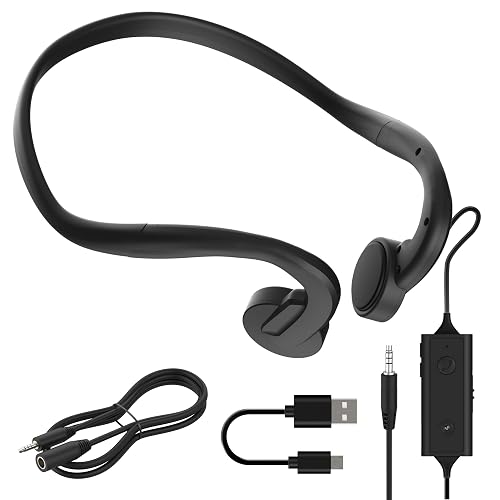
Bone conduction headphones send vibrations through your cheekbone instead of into your ear canal. Because the ear canal stays open, the sound reaches your inner ear through bone. That design is why many swimmers prefer them: you can still hear the pool environment, and no speaker has to seal against the ear.
The catch is that water is a poor medium for radio signals. Bluetooth loses strength quickly once your head goes under, so your phone usually cannot reach the headphones from the deck. For this reason, most swimmers rely on an MP3 player or a model with onboard storage rather than streaming Spotify live from a phone.
Step-by-Step: Getting Spotify Onto Your Headphones
- Confirm your headphones have built-in storage or a dedicated MP3 mode. Check the manufacturer’s listing for “internal memory” or “MP3 playback.” Standard Bluetooth-only models cannot play Spotify offline in the pool.
- Download the playlist or album in the Spotify app while you have Wi-Fi. Make sure the offline download is complete before you leave home.
- Connect the headphones to a computer or your phone, then transfer the files if the device supports it. Many swimming-focused models require a dedicated transfer app, so follow the manufacturer’s instructions.
- Test the headphones on dry land, pressing play and skipping tracks to confirm the controls work.
- Before swimming, make sure the water-resistance seal is intact and the charging port cover is closed.
If your model supports Bluetooth, expect to pair it with your phone on land and then rely on the stored music once you are in the water. For pairing details, see Shokz Bone Conduction Headphones Pairing: A Step-by-Step Guide.
Features That Matter for Swimming
Look for these specifications before you buy: A related read: 25 Best Bone Conduction Headphones.
- Water rating: Manufacturers specify an IP rating or similar mark. For swimming, look for a rating that explicitly covers submersion, not just splashes.
- Onboard storage: Enough memory to hold the number of songs you plan to play during a workout.
- Battery life: Manufacturers list playback hours. Compare that number to your typical session length.
- Fit: A secure band keeps the transducers in contact with your cheekbone during turns.
For a wider look at options, see Bone Conduction Headphones for Swimming: 5 Best Picks Compared (2026) and 7 Best Waterproof Bone Conduction Headphones for Swimming (2026).
Fit and Placement in the Pool
Placement affects both sound quality and comfort. The transducers should rest just in front of your ear, on the cheekbone, and the band should sit snugly behind your head. Loose headphones may slip during flip turns, while overly tight ones can cause discomfort during long sessions. Adjust in small increments, then test by doing a few easy laps.
If you are unsure about placement, Where to Place Bone Conduction Headphones: A Step-by-Step Fit Guide walks through the process.
Common Mistakes
- Assuming Bluetooth will stream Spotify underwater. Signals drop once your head is submerged.
- Skipping the offline download. Spotify cannot play cached music without it.
- Ignoring the water-resistance rating and using a model that is only splash-proof.
- Leaving the charging port uncovered after a charge.
- Forgetting to test controls on land before your first lap.
Recommended Gear
- Dedicated swimming bone conduction headphones: Built to handle submersion and designed around a secure pool fit. View on Amazon
- Waterproof MP3 players for swimmers: Useful when your headphones lack onboard memory. View on Amazon
FAQ
Can I stream Spotify live in the pool?
Usually not. Bluetooth signals weaken quickly underwater, so most swimmers use offline downloads stored on the headphones or an MP3 player.
Do all bone conduction headphones work in water?
No. Only models with an explicit submersion-rated water resistance are suitable for swimming. Check the manufacturer’s specifications before you enter the pool.
How do I keep the headphones from slipping during turns?
Choose a model with a secure band and adjust the fit so the transducers rest firmly on your cheekbone. Test a few laps before a full workout.
Conclusion
Bone conduction headphones can work well for swimming with Spotify music, provided you use offline downloads or onboard storage. Confirm the water rating, plan your playlist before you swim, and test the fit on dry land. Check the manufacturer’s official documentation for current specifications and compatibility.
Related reading
Ready to choose one?
About Ethan Brooks
Ethan Brooks is part of our editorial team and reviews and edits our headphone tech & types guides, checking product details against manufacturer specifications and owner feedback.