By Ethan Brooks
Updated November 2026
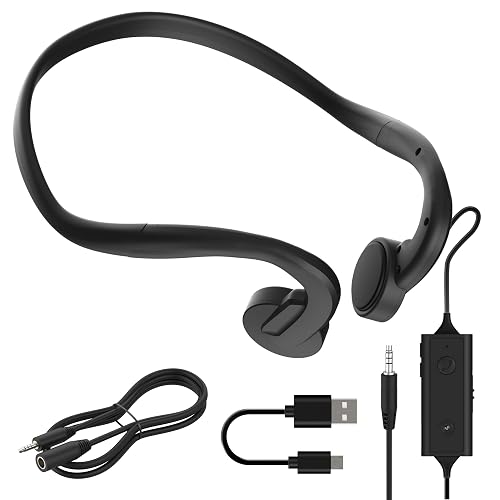
The best bone conduction headphones to wear with glasses are the ones that sit on your cheekbones or temples without pressing into your frame arms. This guide shows you how to judge that fit before you buy and how to adjust a pair once you have it. You will end up with a set that stays comfortable for hours alongside your eyewear.
Why Glasses Change the Fit Equation
Bone conduction headphones rest on the bone just in front of your ear, not inside it. That means your glasses arms, which run along the same area, compete for the same real estate. Two things usually cause trouble: the headphone band pushing your frames forward, and the transducer pads pressing against the arm hinge.
Shopping for one? See our guide: 8 Best Trekz Titanium Bone Conduction Headphones: Expert Picks Compared.
Most owners who wear glasses find the sweet spot is slightly further back on the temple than where they would place the headphones without frames. Expect a small trade-off in sound pressure at the very edge of that range. You may also like Low Latency Bone Conduction Headphones: A Practical Guide (2026).
How to Choose Headphones That Work With Your Frames
- Check the band tension. Look for a band with adjustable length and a flexible, open curve. Rigid bands tend to lift your glasses.
- Look at the pad size and shape. Smaller, slimmer transducer pads leave more room for thick or wide frame arms.
- Consider the weight. Lighter models put less downward and forward pressure on your frames over a long session.
- Read the manufacturer’s fit notes. Many brands state whether their design is compatible with eyeglasses. Treat those statements as the starting point for your own test.
Step-by-Step: Setting Up Your Headphones With Glasses On
- Put your glasses on first and make sure they sit level on your nose.
- Slide the headphones on so the band rests behind your head, not on top of your ears.
- Place the transducers on the flat part of the cheekbone just in front of the ear, staying clear of the hinge.
- Adjust the band length until the pads are snug but not pressing hard. You should be able to fit a finger between the band and the back of your head.
- Walk around, nod and turn your head. If your glasses shift, loosen the band slightly and reposition.
For a deeper walkthrough on positioning, see How to Wear Bone Conduction Headphones: A Step-by-Step Fit Guide. If you want a direct answer on compatibility, Can You Wear Bone Conduction Headphones With Glasses? A Fit Guide covers the main points.
Comparing Designs for Eyeglass Wearers
| Feature | Better for glasses | Less ideal for glasses |
|---|---|---|
| Band style | Flexible, adjustable open band | Rigid or fixed-length band |
| Transducer size | Small, slim pads | Large, bulky housings |
| Overall weight | Light, balanced build | Heavy, front-loaded design |
| Positioning range | Wide adjustment along the temple | Narrow fixed placement |
For broader comparisons across models, Top 7 Bone Conduction Open-Ear Headphones Compared for Every Need lists several designs and their typical use cases. If you are still deciding between formats, Bone Conduction Headphones vs In Ear: Which Fits Your Needs Best explains the trade-offs.
Common Mistakes to Avoid
- Placing the transducers on top of the frame hinge, which can cause buzzing and discomfort.
- Tightening the band to stop movement. Over-tight bands press your frames forward and can cause headaches.
- Skipping a movement test. Always nod and turn your head before committing to a fit.
- Assuming all pads fit all frames. Thick plastic frames and wraparound styles often need a different position.
- Ignoring sweat. If you exercise, check whether the pads slip when damp.
Recommended gear
A few accessories can make eyewear and bone conduction headphones work together more smoothly.
- A soft microfiber cloth helps keep transducer pads and lens surfaces clean without scratching. View on Amazon
- A slim eyeglass strap or retainer can hold your frames in place during active use. View on Amazon
- A hard-shell carrying case protects both your glasses and headphones when you are not wearing them. View on Amazon
FAQ
Will bone conduction headphones damage my glasses?
Normally they will not, but repeated pressure on the hinge or frame arms can loosen screws over time. Check your frames periodically and adjust the band if you notice shifting. We also found Safety Glasses with Bone Conduction Headphones: A Practical Guide useful on this point.
Can I wear bone conduction headphones over prescription sunglasses?
Often yes, though thicker sunglass arms may need a slightly different placement. Test the fit while walking and turning your head before relying on them for exercise.
Do I need a special model if I wear glasses every day?
Not necessarily. Look for a flexible band, slim transducers and light weight, then confirm the fit with your own frames. A professional optician can advise if you have a frame style that is hard to fit.
Conclusion
The best bone conduction headphones to wear with glasses balance a flexible band, slim pads and light weight, and they let you place the transducers away from your frame hinge. Test the fit with glasses on, move around and adjust in small steps. Once you find the right position, the combination can be comfortable for long listening sessions.
Related reading
- Wireless Bone Conduction Headphones Aftershokz: 5 Best Picks Compared (2026)
- Swim Headphones Bone Conduction: Can You Wear Them in the Pool? (2026)
Ready to choose one?
About Ethan Brooks
Ethan Brooks is part of our editorial team and reviews and edits our headphone tech & types guides, checking product details against manufacturer specifications and owner feedback.