 By Ethan Brooks
Updated November 2026
An ipx7 waterproof rating earbuds spec tells you that a pair can be submerged in about one meter of still water for 30 minutes without failing. That covers sweat, rain, a dropped earbud in a sink, and the occasional splash at the pool deck. In this guide you will learn what the IPX7 code means in the IEC 60529 standard, how it compares to other ratings, what it does not protect against, and how to check and maintain a pair so the rating stays meaningful over time.
What the IPX7 Code Actually Means
The rating comes from the IEC 60529 standard, which defines Ingress Protection (IP) codes. The first digit covers solid particles such as dust. The second digit covers liquids. In an IPX7 rating, the “X” means the device was not tested for dust, and the “7” means it was tested for temporary immersion.
Under the standard’s test conditions, the product is placed in water deep enough that the lowest point of the device sits at 1 meter, for 30 minutes. Manufacturers that claim IPX7 are stating that the earbuds passed that test without water ingress that would impair function. Nothing in the rating tells you about continuous submersion, pressurized water, hot water, or saltwater corrosion.
How IPX7 Compares to Other Liquid Ratings
Liquid ratings run from 0 (no protection) to 9K (high-pressure, high-temperature water jets). The codes most people encounter with earbuds are shown below. Values are the standard test conditions as manufacturers typically specify them. Are AirPods Pro's Waterproof? Ratings, Sweat Resistance and Care Tips goes further into this.
| Rating | Test Condition (as specified) | Typical Real-World Meaning |
|---|---|---|
| IPX4 | Splashing water from any direction | Sweat, light rain, gym use |
| IPX5 | Low-pressure water jets | Heavier sweat, hard rain |
| IPX7 | Temporary immersion at 1 m for 30 minutes | Accidental drops, rinsing under a tap, brief submersion |
| IPX8 | Continuous immersion, depth set by the manufacturer | Extended swimming or diving at the stated depth |
IPX7 is a middle tier. It offers real protection against accidental submersion, but it is not designed for swimming laps. If you plan to wear earbuds in a pool for long sessions, look for IPX8 with a stated depth and duration. For a deeper look at that tier, see IPX8 Waterproof Bluetooth Earbuds: How to Choose and Use Them (2026).
Step-by-Step: Choosing an IPX7 Pair
Use the following steps when comparing models so the rating matches your actual activities.
- Confirm the rating is per earbud and per case. Many spec sheets list IPX7 for the buds but only IPX4 or no rating for the charging case. Keep the case dry and away from sinks and pools.
- Check whether the rating applies to the whole product or only the buds. Some brands list the rating only for the earbud housings, and the charging contacts remain the weak point.
- Look for a stated test method. Reputable manufacturers name the standard (IEC 60529) and the test conditions. Vague wording like “water resistant” without an IP code is not comparable.
- Match the rating to your use. For running in rain and gym workouts, IPX4 or IPX5 is usually enough. For commuting in wet weather with a chance of drops, IPX7 adds margin. For swimming, prioritize IPX8.
- Review the fit and seal. A waterproof rating assumes a good seal. Ear tips that do not fit well let water track into the driver area during sweaty workouts. Try different tip sizes before relying on the rating.
Checking and Maintaining Your Earbuds
A rating is only as good as the condition of the device. Seals age, gaskets collect debris, and charging ports can corrode. Use this routine to keep an IPX7 pair performing as specified.
Before You Get Them Wet
- Confirm the charging case lid closes fully and the hinge is intact.
- Inspect the charging contacts on the buds and the case. Remove lint or dried sweat with a dry, soft brush.
- Make sure any port covers (if the model has them) are seated flat.
After Exposure to Water
- Rinse with fresh water if the buds were exposed to salt, chlorine, or sweat. Use only light running water, not pressure.
- Shake off excess water and wipe the exterior with a dry microfiber cloth.
- Let the earbuds air dry for at least several hours, with the case open, before charging or storing.
- Inspect the mesh grilles and ports. Trapped moisture can cause crackling or muffled sound, which usually clears with drying.
Common Mistakes
- Assuming IPX7 means swim-ready. Continuous submersion is outside the test. Long pool sessions can exceed what the rating covers.
- Charging wet earbuds. Moisture on the contacts can cause corrosion. Dry the buds and case completely first.
- Ignoring the case. The case is often rated lower than the buds. Keep it out of wet environments.
- Using hot water or soap. Heat, detergents, and oils can degrade seals and speaker mesh over time.
- Blasting with pressure. IPX7 is a still-water rating. Jets from a faucet or shower spray at close range are not part of the test.
- Trusting a rating after damage. A cracked housing or dented case can break the seal even if the spec sheet is unchanged.
Tips for Getting the Most From an IPX7 Rating
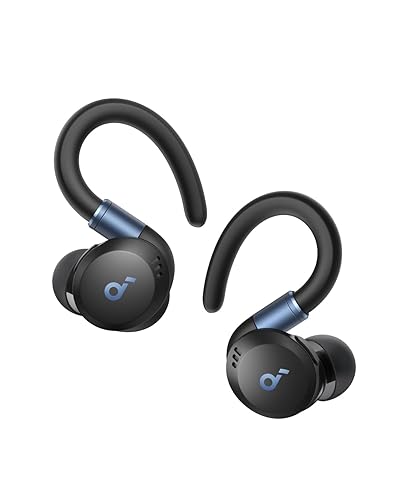
- Pick a pair with secure ear tips and an ear hook or fin if you run or cycle, since a stable fit reduces the chance of drops.
- Keep a spare set of tips. Silicone tips can lose their grip after sweat exposure and cleaning.
- Clean the mesh with a dry brush weekly, and wipe the exterior with a barely damp cloth if needed.
- Store the earbuds in a dry place, not in a gym bag with a wet towel.
- Read the warranty. Some manufacturers exclude liquid damage, so check what is covered before testing the rating.
Recommended gear
A few accessories help maintain an IPX7 pair. Choose items that support drying and cleaning rather than anything that replaces the rating itself.
- Soft-bristle cleaning brush for earbuds lets you clear the mesh and charging contacts without pushing debris deeper. View on Amazon
- Microfiber cleaning cloths dry the exterior without scratching the finish or leaving lint in the ports. View on Amazon
- Silicone ear tip replacement set gives you alternate sizes so you can keep a secure seal as the original tips wear. View on Amazon
- Sealed dry pouch for electronics keeps the case dry in a gym bag or on a boat. View on Amazon
For context on how different models apply their ratings, you can compare Zuma Waterproof TWS Earbuds: Features, IP Rating, and Buying Tips and Are Wireless and Waterproof Earbuds Worth It? IP Ratings Explained. If you prefer a workout-focused shortlist, 6 Best IPX7 Waterproof Wireless Earbuds for Workouts (2026) covers that category directly.
FAQ
Does IPX7 mean my earbuds can go in the pool?
Not for extended use. IPX7 covers temporary immersion in about one meter of still water for 30 minutes. Swimming involves movement, pressure changes, and longer exposure, so an IPX8 rating with a stated depth is the better choice for pool use.
Is IPX7 the same as waterproof?
No. “Waterproof” is a marketing term without a fixed test. IPX7 is a defined standard that describes a specific test. It means the device resists water under those conditions, not that it is impervious to all water.
Can I rinse IPX7 earbuds under the tap?
A light rinse with running fresh water is generally fine for removing sweat or salt. Avoid high pressure, hot water, and soap, since these are outside the test conditions and can damage seals.
Does the charging case also have an IPX7 rating?
Not always. Many manufacturers rate only the earbuds. Check the spec sheet for the case rating, and keep the case dry regardless.
Why are my earbuds crackling after a workout?
Moisture trapped in the speaker mesh or ear canal often causes crackling or muffled audio. Let them air dry with the case open, then gently brush the mesh. If the problem persists, check the ear tips for a proper seal.
Will IPX7 protect against saltwater?
The rating addresses water ingress, not corrosion. Saltwater can leave residue that degrades contacts over time. Rinse the earbuds with fresh water and dry them thoroughly after exposure to salt.
Does the rating expire or wear out?
The rating describes the device as tested when new. Seals and gaskets can degrade with age, heat, and physical stress. Regular inspection and careful handling help preserve the protection.
Should I consult anyone about waterproof earbuds?
For general use, the manufacturer’s manual and warranty terms are the best references. If you have hearing concerns or wear earbuds for long periods, consult an audiologist or your doctor.
Conclusion
An IPX7 rating means your earbuds can handle temporary immersion at about one meter for 30 minutes, which covers sweat, rain, and accidental drops. It does not mean they are built for swimming or continuous submersion. Confirm whether the case is rated, match the rating to your activities, and keep seals and contacts clean and dry. With that approach, the spec sheet becomes a reliable guide rather than a marketing promise.
Related reading
- Are TOZO T6 Earbuds Waterproof? IP Rating Explained and How to Use Them
- Are Soundcore P30i Earbuds Waterproof? IP Rating and Use Guide
Ready to choose one?
About Ethan Brooks
Ethan Brooks is part of our editorial team and reviews and edits our headphone tech & types guides, checking product details against manufacturer specifications and owner feedback.