 By Emily Parker
Updated November 2026
IPX8 waterproof Bluetooth earbuds are rated to survive continuous submersion in water beyond 1 meter, but the rating alone doesn’t tell you how well they will perform in a pool, a shower, or a sweaty gym session. This guide explains what the IPX8 rating means, how to verify a claim, how to pick a pair that fits your activity, and how to keep them working for years.
What IPX8 Actually Means
The IP code is defined by the international standard IEC 60529. The first digit covers protection against solid particles such as dust, and the second digit covers protection against liquids. An “8” in the second position means the device can be submerged continuously under conditions the manufacturer specifies. The standard leaves the depth and duration up to the maker, so two IPX8 earbuds can differ in how deep and how long they are rated to survive.
Manufacturers typically specify figures such as a depth of 1 meter for 30 minutes, or 1.5 meters for 30 minutes, though the exact numbers vary by brand and model. Read the spec sheet rather than assuming all IPX8 products are equal.
IPX8 Versus IPX7 and Lower Ratings
IPX7 covers temporary immersion, usually up to 1 meter for 30 minutes. IPX8 is meant for longer or deeper immersion as specified by the maker. For most people, the practical difference is that IPX8 earbuds are better suited to swimming laps, while IPX7 earbuds are usually fine for sweat, rain, and accidental dunks. Lower ratings such as IPX4 handle splashes and light sweat only.
Step 1: Check the Rating Details, Not Just the Label
Start by confirming the exact depth and time the manufacturer specifies. Look in the product manual or the official product page, not only the packaging. A few details to note:
- Maximum depth in meters, and the test duration
- Whether the rating applies to the earbuds only or to the charging case as well
- Whether the rating covers fresh water only, or includes chlorinated pool water and salt water
- Any warnings about hot water, soap, or oils
Many owners report that the charging case is not rated the same as the earbuds. Keep the case dry and closed, and don’t assume it can go underwater.
Step 2: Match the Earbuds to Your Activity
An IPX8 rating is only one piece of the puzzle. Your activity determines which other features matter most.
| Activity | What to Prioritize | Why It Matters |
|---|---|---|
| Lap swimming | IPX8 with a clear depth rating, secure fit, and in-ear design | Water pressure and constant immersion stress seals and fit |
| Running and gym workouts | IPX7 or IPX8, strong ear hooks or fins, sweat resistance | Sweat and movement test retention more than submersion |
| Showering | Any IPX7 or IPX8 model, plus a grip-friendly case | Warm water and soap are the main concerns, not depth |
| Open-water swimming | Confirmed salt water tolerance and an IPX8 spec | Salt and cold water can accelerate corrosion of contacts |
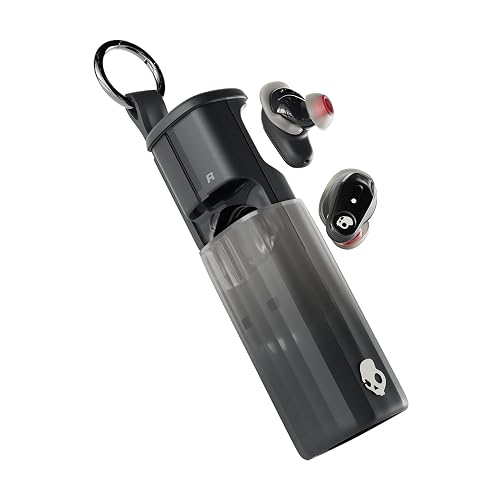
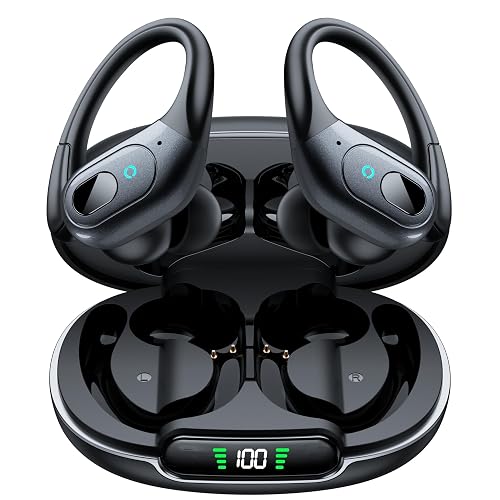
For a wider look at how these ratings play out across different models, see 7 Best Waterproof Earbuds Bluetooths for Workouts and Swimming (2026) and 6 Best Waterproof Earbuds for Swimmers (2026): Picks Compared.
Step 3: Evaluate Fit and Retention
Waterproofing does nothing if the earbuds fall out. Fit is the most common reason owners lose a pair in the water. Look for these features:
- Ear tips in several sizes, ideally including foam or silicone options that create a snug seal
- Wing tips, fins, or ear hooks that hold the earbud during head movement
- A weight distribution that doesn’t pull the bud outward
Before you swim, test the fit on dry land. Shake your head, jump, and do a few push-ups. If an earbud shifts, try a different tip size or a different model.
Understanding Bluetooth Range Underwater
Bluetooth signals do not travel well through water. Your phone or watch will generally lose connection once the earbuds are submerged, so most swimmers use the earbuds for playback stored on the device, or for lap counting and workout tracking after they surface. Plan your audio source accordingly. Some swimmers also use bone-conduction or open-ear designs, but those are not IPX8 products and should be assessed separately.
Step 4: Check Codec, Battery, and Controls
Once the physical requirements are met, look at the features that affect daily use:
- Codec support: SBC is the baseline. AAC improves quality on Apple devices. aptX variants can help on some Android phones. Check that your phone supports the codec you want.
- Battery life: Manufacturers usually list both earbud-only playtime and playtime with the case. Shorter playtime is common in workout-focused earbuds, so compare the realistic figure, not the best-case one.
- Touch controls: Wet fingers often trigger accidental taps. Models with physical buttons or fewer touch zones may be easier to use mid-workout.
For a deeper explanation of codecs and how they affect sound, read Top 8 Bluetooth Audio Codec Selection Picks: Headphones and Earbuds Compared.
Step 5: Maintain Them After Every Use
Water resistance decreases with wear, so routine care matters. Follow these steps after each swim or sweaty session:
- Rinse the earbuds and case in fresh, lukewarm water. Chlorine and salt residue can dry on the contacts.
- Shake out any water from the speaker mesh and ports. Don’t insert objects to clear them.
- Pat the exterior dry with a soft cloth and let the earbuds air-dry for several hours before charging.
- Check the charging case seal and contacts for debris or grit.
- Store the earbuds in the case, with the lid closed, in a dry room-temperature spot.
Owners often report that drying the case thoroughly prevents corrosion on the charging pins, which is one of the most frequent failure points in IPX8 models.
Common Mistakes
- Assuming IPX8 means “fully waterproof forever.” Seals age. Rinse and inspect regularly.
- Charging wet earbuds. Dry them completely first. Charging with moisture on the contacts can cause damage.
- Using hot water or soap to clean the speakers. Heat and detergents can degrade seals and adhesives.
- Ignoring the case rating. The case is often not submersible to the same extent as the earbuds.
- Skipping the fit test. A loose bud is far more likely to be lost than damaged.
- Expecting Bluetooth to work underwater. Plan on playing audio from local storage or taking the earbuds out to change tracks.
Tips for Longer Life
- Use the ear tip size that creates a seal without pressure pain.
- Keep firmware updated, since some manufacturers release improvements to Bluetooth stability and battery management.
- Avoid leaving earbuds in a hot car or in direct sun, where heat can break down adhesives.
- If you notice a crackle, muffled sound, or moisture indicator change, stop using them in water and check the manufacturer’s service options.
Recommended gear
A few inexpensive accessories help protect and maintain IPX8 earbuds, though none is required.
- Soft-bristle cleaning brush: A small brush helps clear lint and sweat residue from speaker grilles without poking the mesh. View on Amazon
- Silicone ear tip assortment: Extra tip sizes let you find a seal that stays put during swimming and running. View on Amazon
- Desiccant storage pouch: A small pouch with silica gel can help keep the case dry between sessions. View on Amazon
FAQ
Does IPX8 mean the earbuds can go in the pool?
An IPX8 rating means the earbuds are designed for continuous submersion under the depth and time the manufacturer specifies. Many owners use them for lap swimming, but you should check the exact spec and avoid conditions the maker doesn’t list, such as hot tubs with chemicals.
Are IPX8 earbuds safe in salt water?
Some models are rated for fresh water only. Salt water is more corrosive, so rinse the earbuds in fresh water after use and confirm the manufacturer’s position before exposing them to ocean water.
Can I use IPX8 earbuds in the shower?
Yes, most IPX7 and IPX8 earbuds handle shower spray without trouble. Avoid hot water and soap, and rinse the earbuds afterward. The charging case should stay dry.
Will Bluetooth keep working when the earbuds are underwater?
Generally no. Water blocks radio signals, so connection drops once the earbuds are submerged. Store music on your device for swimming, or choose a model designed for offline playback.
Does the IPX8 rating last forever?
No. Seals and gaskets can wear over time, and physical damage such as drops or cracks can compromise protection. Inspect the earbuds regularly and stop using them in water if you notice any damage.
Can I charge IPX8 earbuds right after they get wet?
It is better to dry them first. Let them air-dry for several hours and make sure the charging contacts are completely dry before placing them in the case.
What is the difference between IPX7 and IPX8 for workouts?
For sweat and rain, both ratings are usually sufficient. IPX8 is the better choice if you plan to submerge the earbuds regularly, such as during swimming.
Should I buy IPX8 earbuds for running?
They can be a good choice, but fit and retention matter more than the water rating for running. Look for secure ear hooks or fins, and test the fit before your first workout.
Conclusion
IPX8 waterproof Bluetooth earbuds offer strong protection when you match them to the right activity and confirm the specific depth and time rating. Focus on fit, codec support, and realistic battery life alongside the IP code. Rinse and dry them after every session, and treat the charging case with the same care. Following these steps will help your earbuds stay reliable through many seasons of swimming and training.
Related reading
- 7 Best Waterproof Bluetooth Earbuds for Swimming in 2026
- 7 Best IPX8 Waterproof Earbuds for Swimming (2026)
Ready to choose one?
About Emily Parker
Emily Parker is part of our editorial team and reviews and edits our headphone tech & types guides, checking product details against manufacturer specifications and owner feedback.