As an Amazon Associate I earn from qualifying purchases. This page may contain affiliate links.
Cycling headphones bone conduction designs have become a popular choice for riders who want music, navigation prompts or phone calls without sealing their ears off from traffic. Instead of pushing sound through the ear canal, these headphones rest on the cheekbones and send vibrations through bone to the inner ear, leaving the ear canal open. That matters on a busy road or a shared bike path. This guide compares eight models against the criteria that matter most on a bike: a secure fit at speed, water and sweat resistance, battery life, microphone pickup in wind, and how the audio holds up with road noise.
Our Top Picks
Quick Comparison
| Product | Best for | Key feature |
|---|---|---|
| New Waterproof Open-Ear Bone Conduction Headphones (Bluetooth 6.0) | Riders who want a lightweight, general-purpose pair | Ultra-light open-ear design |
| SHOKZ OpenRun Pro 2 Bone Conduction Bluetooth Sport Headphones | Riders who want a well-known sport brand and a reflective strip | Dual-pitch audio and IP55 rating |
| PSIER Bone Conduction Headphones, 2026 Upgrade Open Ear Running Headphones | Riders focused on comfort during long sessions | 23g frame with IPX5 water resistance |
| New Bone Conduction Headphones Bluetooth 6.0 Open Ear Earbuds with Mic | Riders who value reduced sound leakage | Balanced audio with IP54 protection |
| Bone Conduction Headphones, Wireless Bluetooth Open-Ear Sports Headphones with Mic | Riders who ride with a charger in their bag | Type-C quick charging |
| IPX5 Waterproof, 25.5g Lightweight Open-Ear Bone Conduction Headphones | Riders who ride in wet or humid conditions | Stated 12-hour playtime and IPX5 rating |
| Raycon Bone Conduction Headphones – Open Ear Running Headphones | Riders who prefer a consumer-audio brand | Sweat and water resistance with a built-in mic |
| Bone Conduction Headphones for Running with Mic and Rear Safety Light | Riders who ride on roads at dusk or night | Rear safety light and dual sound modes |
New Waterproof Open-Ear Bone Conduction Headphones – Bluetooth 6.0 Wireless Earbud

New Waterproof Open-Ear Bone Conduction Headphones – Bluetooth 6.0 Wireless Earbud, Ultra-Light, Long Battery Life, Stable Connection, Ideal for Running, Cycling, Workout, Hiking
This model suits riders who want a light, all-round open-ear pair for cycling, running and hiking without paying attention to a premium feature set. Its weight and open design make it easy to forget you are wearing it over a long ride.
Key specs
- Bluetooth 6.0 connectivity, as stated in the listing
- Ultra-light open-ear bone conduction design
- Waterproof rating listed on the product page
Pros
- Very light, so it sits comfortably on the cheekbones
- Open ear lets you hear traffic and bike bells
- Broad use case across cycling, gym and hiking
Cons
- Bass response is limited compared with in-ear designs, which is normal for bone conduction
- Owners sometimes report that a snug strap adjustment is needed for hard riding
SHOKZ OpenRun Pro 2 Bone Conduction Bluetooth Sport Headphones, Black
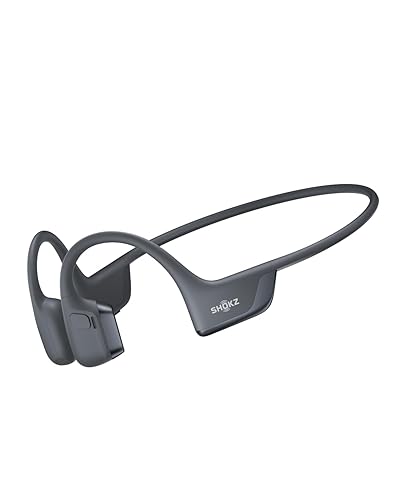
SHOKZBundle with Reflective Strip;DualPitch premium sound;Open ear awareness; Smart Mic; IP55; 12H battery; Running/Cycling/Hiking OpenRun Pro 2 Bone Conduction Bluetooth Sport Headphones, Black
This is a good match for riders who want a recognized sport-headphone brand with a reflective strip for visibility on the road. It is aimed at people who ride often and care about call quality as well as music.
Key specs
- IP55 rating, as stated in the listing
- Listed battery life of about 12 hours
- Smart microphone for calls
- Included reflective strip
Pros
- Strong brand reputation in the bone conduction category
- Reflective strip adds visibility on dusk rides
- Smart mic designed for outdoor pickup
Cons
- Higher-tier models in this category often cost more, and this one is positioned as a premium option
- Some owners find the fit requires adjustment for helmet use
PSIER Bone Conduction Headphones, 2026 Upgrade Open Ear Running Headphones

Bluetooth 6.0, 10Hrs Playtime, 23g Lightweight Comfort, IPX5 Waterproof, Bone Conduction Earbuds with Mic for Gym, Workouts PSIER Bone Conduction Headphones, 2026 Upgrade Open Ear Running Headphones
This pair fits riders who spend long hours in the saddle and want a featherweight frame. It is a reasonable pick for people who also use the headphones in the gym or on trails.
Key specs
- Bluetooth 6.0, as stated in the listing
- Listed weight of 23 g
- IPX5 water resistance
- Listed playtime of about 10 hours
Pros
- Very light frame suits long rides
- IPX5 rating handles sweat and rain
- Built-in mic for calls and voice assistants
Cons
- Shorter stated playtime than some competitors
- Fit can vary between head shapes, so check the return policy
New Bone Conduction Headphones Bluetooth 6.0 Open Ear Earbuds with Mic

New Bone Conduction Headphones Bluetooth 6.0 Open Ear Earbuds with Mic, Balanced Audio, Reduced Sound Leakage, IP54 Waterproof Secure Fit, Wireless Sports Headphones for Running, Workout & Cycling
Riders who share trails or ride near other people may appreciate a model that advertises reduced sound leakage. This one is suited to people who want quieter output at moderate volume.
Key specs
- Bluetooth 6.0, as stated in the listing
- IP54 water resistance
- Integrated microphone
Pros
- Advertised low sound leakage suits shared spaces
- IP54 protects against sweat and light rain
- Balanced audio profile for general listening
Cons
- IP54 offers less protection than IPX5 for heavy rain
- Leakage reduction is relative and still audible at high volume
Bone Conduction Headphones, Wireless Bluetooth Open-Ear Sports Headphones with Mic

Bone Conduction Headphones, Wireless Bluetooth Open-Ear Sports Headphones with Mic, Type-C Quick Charging Long Battery Life, Waterproof Earphones for Running, Walking, Cycling, Workout, Gift
This model suits riders who want a practical charging setup and a broad feature list for cycling, walking and workouts. It works well as a second pair for commuters.
Key specs
- Type-C charging, as stated in the listing
- Integrated microphone
- Waterproof rating listed on the product page
Pros
- Type-C charging matches most phone and bike-light cables
- Versatile across cycling and general exercise
- Mic supports hands-free calls on the road
Cons
- Generic listing details make some specs harder to verify
- Bass output is modest, as with most open-ear designs
IPX5 Waterproof, 25.5g Lightweight Open-Ear Bone Conduction Headphones

IPX5 Waterproof, 25.5g Lightweight, Secure Fit; Wireless Earphones with Clear Sound for Workouts/Cycling/Hiking Open-Ear Bone Conduction Headphones, 12H Playtime Running Headphone
This is a fit for riders who regularly ride in wet weather or high humidity. The IPX5 rating and light frame make it a sensible choice for rainy commutes.
Key specs
- IPX5 water resistance, as stated in the listing
- Listed weight of 25.5 g
- Listed playtime of about 12 hours
Pros
- IPX5 rating suits rain and heavy sweat
- Long stated playtime for multi-hour rides
- Light frame reduces fatigue around the ears
Cons
- Not fully submersible, so avoid swimming use
- Fit may loosen on very bumpy terrain
Raycon Bone Conduction Headphones – Open Ear Running Headphones & Bluetooth Earbuds (Gray)

Raycon Bone Conduction Headphones – Open Ear Running Headphones & Bluetooth Earbuds, Sweat & Water-Resistant with Mic (Gray)
Riders who prefer a well-known consumer-audio brand and a clean, minimal design may find this model appealing. It suits everyday riders more than competitive cyclists.
Key specs
- Sweat and water resistance, as stated in the listing
- Built-in microphone
- Gray color finish
Pros
- Recognized consumer-audio brand
- Simple controls suitable for gloved hands
- Mic supports calls and voice prompts
Cons
- Fewer advanced specs are listed compared with sport-focused rivals
- Some owners report needing to adjust the fit on longer rides
Bone Conduction Headphones for Running with Mic and Rear Safety Light

Dual Sound Modes, Adjustable Fit, 10H Playtime, USB-C Charging, Clear Calls, Lightweight Comfort for Gym, Cycling and Hiking. Bone Conduction Headphones for Running with mic and Rear Safety Light
This model is worth a look for riders who ride on roads at dusk or night and want a built-in rear light. Its dual sound modes give some flexibility for different riding conditions.
Key specs
- Dual sound modes, as stated in the listing
- Listed playtime of about 10 hours
- USB-C charging
- Rear safety light
Pros
- Rear safety light adds visibility after dark
- Dual sound modes adapt to different environments
- USB-C charging is convenient
Cons
- A safety light is not a substitute for a proper bike light system
- Light output and battery impact on the headphones should be checked in the spec sheet
Buying Guide
Choosing among cycling headphones bone conduction models comes down to a few measurable factors. Start with what you need the headphones to do, then check the specs that affect that use.
Selection Criteria
- Fit at speed: The transducers should sit firmly on the cheekbones. Adjustable straps or a flexible band help the frame stay put over bumps.
- Water and sweat resistance: IPX4 handles sweat and light splash, IPX5 handles rain and heavy sweat, and IP54 covers dust and light splashing. Manufacturers specify these ratings, and they do not mean the headphones can be submerged.
- Battery life: Most listings state playtime in hours. Long rides call for 10 hours or more on a single charge.
- Microphone: Wind noise is the main call-quality problem on a bike. Look for models that describe noise reduction on the mic.
Important Features
Bluetooth version affects range and connection stability. Newer versions such as 5.x and 6.0 are common in current listings. Weight matters on long rides, and frames in the low-20-gram range are often described as comfortable. Reflective elements and rear lights add visibility on dusk and night rides.
Specs to Check
- Bluetooth version and codec support
- IP rating and what it covers
- Stated playtime and charging time
- Weight in grams
- Charging port type (USB-C is common)
Choosing by Need
- Road commuting: Prioritize the open ear, a microphone and a rear light for low-light conditions.
- Long-distance riding: Prioritize weight, stated battery life and a secure fit.
- Wet-weather riding: Prioritize the IPX5 rating or better.
- Mixed use (gym, hiking, cycling): Prioritize versatility and a balanced sound profile.
Things to Watch Out For
- Bone conduction does not reproduce bass the way an in-ear or over-ear design does. Set expectations accordingly.
- Sound leakage increases at high volume, which may matter in group rides.
- Always keep one ear and your attention on the road. Open-ear designs help, but they do not replace good judgment.
- Check the return policy, since fit varies with head shape.
For a deeper explanation of the technology, see Open-Ear and Bone Conduction Headphones Explained. If you are comparing sport-focused options, Best Bone Conduction Headphones for Sports: 3 Models Compared offers another angle. Readers interested in how wireless audio is transmitted may find Headphone Connectivity: Bluetooth, LE Audio and Wired useful, and Wired vs Wireless Headphones: Real Trade-Offs covers the trade-offs in more depth.
FAQ
Are bone conduction headphones safe for cycling?
They leave the ear canal open, so you can hear traffic, bells and voices around you. That is the main safety argument for them. Riders should still keep the volume at a moderate level and stay aware of their surroundings. Anyone with a hearing condition or a question about their own situation should consult a healthcare professional.
Do bone conduction headphones work with a bike helmet?
Most models are designed to sit on the cheekbones and are generally compatible with helmets, though some straps can be affected by helmet fit. Check the product listing and try the fit with your helmet on before a long ride.
How waterproof do cycling headphones need to be?
For rain and heavy sweat, look for at least IPX5. IP54 covers splashing and sweat. Neither rating means the headphones are safe to submerge, so avoid swimming use unless the product states otherwise.
How long should the battery last for a ride?
For most cyclists, a stated playtime of 10 hours or more covers a full day of riding or several commutes between charges. Check the listing, since real-world playtime depends on volume and connection.
Is the microphone good enough for calls while riding?
Wind noise is the main challenge. Models that describe noise reduction on the mic tend to handle outdoor calls better, though performance varies. For important calls, pull over to a stable spot.
Can I use bone conduction headphones for music on the road?
Yes, and many riders do. Expect less bass than in-ear designs and some sound leakage at high volume. The open design makes it easier to hear your surroundings while listening.
Do I need a special codec for bone conduction headphones?
Most users rely on standard Bluetooth audio. Codec support matters more for high-fidelity listening, and bone conduction designs are generally not chosen for their codec performance.
Conclusion
Cycling headphones bone conduction models share the same core advantage: an open ear that keeps you aware of traffic. The right pick depends on how you ride. For wet conditions, prioritize an IPX5 rating and a light frame. For commuting at dusk, a rear safety light and a clear microphone make a difference. For long rides, check stated playtime and weight first. The eight models above cover those needs, and the Buying Guide gives you a checklist for comparing them against your own routes and habits.