By Ethan Brooks
Updated November 2026
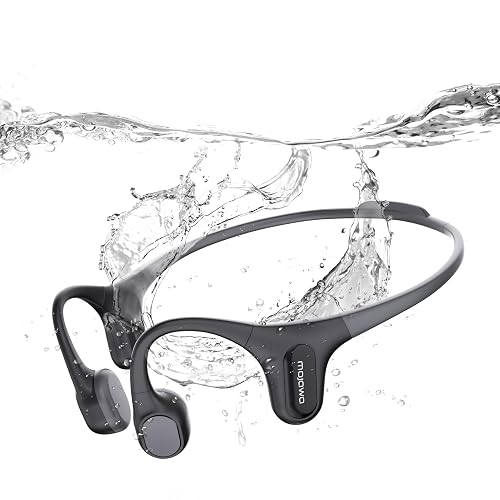
Bone conduction headphones bass quality is weaker than what you get from in-ear or over-ear models, and that is a design trait rather than a defect. These headphones send vibrations through your cheekbones to the inner ear, so the low frequencies that depend on a sealed air chamber come through less fully. This guide explains why that happens, which factors change the bass you actually hear, and how to test a pair so you know whether its low end will suit your listening.
Why bone conduction limits bass
Traditional headphones push air into your ear canal, and a tight seal helps the low frequencies build up. Bone conduction skips the canal entirely. A transducer rests on the cheekbone in front of the ear and sets the skull vibrating, and the cochlea picks up those vibrations directly. Because the drivers sit against the skin rather than moving a large column of air, they produce less energy at the lowest frequencies. Manufacturers rarely publish a full frequency response curve for this reason, so judge the bass by listening rather than by a single spec.
Shopping for one? See our guide: AfterShokz Titanium Wireless Bone Conduction Headphones Review (2026).
Factors that change how the bass sounds
Clamping pressure and contact
Bone conduction works only when the transducer maintains steady contact with the skin. A loose fit drops the low end sharply, while a firm, consistent fit lets more vibration through. Owners often report that moving the band a few millimeters makes a noticeable difference, so adjust before you decide the bass is poor. Worth reading next: How Do Bone Conduction Headphones Sound? What to Expect and Why.
Transducer design and placement
Transducer size, shape and the materials used all affect how much low-frequency energy reaches the skull. Placement matters too. The transducer should sit just in front of the ear, on the bone, not on the soft tissue at the jaw or temple. For detailed placement steps, see Where to Place Bone Conduction Headphones: A Step-by-Step Fit Guide.
Source audio and equalization
Music with heavy sub-bass will always sound thinner through bone conduction than through a sealed headphone. Many models let you adjust the EQ in a companion app, and boosting the lower bands can add perceived weight. Be careful, though. Pushing the low end too hard can cause distortion at higher volumes, so raise it gradually.
Codec and connection
Wireless connections compress audio, and that compression can reduce low-end detail. A wired connection to a good source usually preserves more of the bass. If you want to compare how different setups sound, Bone Conduction Headphones Sound Quality? covers the broader factors.
How to judge bass quality before you commit
- Choose a track you know well, with a clear, sustained bass line, such as a bass guitar or synth track.
- Put the headphones on at the fit you will use, with the transducer on the cheekbone just ahead of the ear.
- Play the track at a moderate volume and listen for whether the bass is present, tight and consistent.
- Adjust the band position slightly and listen again. A change of this kind should be audible.
- Repeat with a second track containing deep sub-bass, and note whether the lowest notes disappear or simply feel softer.
- Check for buzzing or rattling at high volume, which signals distortion rather than good bass.
| Listening goal | What to expect from bone conduction bass |
|---|---|
| Podcasts and spoken word | Clear and natural; low end is rarely missed |
| Pop and rock with steady bass | Acceptable warmth; sub-bass feels lighter |
| Electronic and hip-hop with deep sub-bass | Noticeably thinner than sealed headphones |
Common mistakes
- Judging bass with the headphones loose or sitting on the jaw.
- Comparing directly to sealed in-ear or over-ear models, which will almost always win on sub-bass.
- Maxing out the EQ and creating distortion instead of better bass.
- Testing with heavily compressed streaming audio, which hides low-end detail.
- Ignoring the open-ear design, which also lets in ambient noise and affects perceived fullness.
Recommended gear
- A small set of silicone or fabric covers that help keep the transducer in steady contact with the skin during longer sessions. View on Amazon
- A wired 3.5 mm cable with a lossless-capable source for comparing bass without wireless compression. View on Amazon
FAQ
Can bone conduction headphones ever produce strong bass?
They can produce a solid mid-bass and warmth, but deep sub-bass will usually sound lighter than from sealed headphones. Fit and EQ settings have a large effect on how full the low end feels. We also found Are Bone Conduction Headphones OSHA Approved? What Workers Should Know useful on this point.
Does fit affect bass more than the model itself?
In many cases, yes. A firm, consistent contact at the cheekbone can change the bass noticeably, so test the fit carefully before judging a pair. If you want more background, see How to Charge Raycon Bone Conduction Headphones: A Step-by-Step Guide.
Is bone conduction bass good enough for workouts?
For most workout playlists with steady beats, the bass is usually adequate. Anyone who wants strong sub-bass for bass-heavy music may prefer a sealed design. Consult a hearing professional if you have concerns about listening volume.
Conclusion
Bone conduction headphones give up some bass in exchange for an open, ear-canal-free design, so expect a lighter low end than sealed models. Focus on a secure fit, test with bass-heavy tracks, and adjust EQ carefully. With those steps, you can decide whether the bass meets your needs.
Related reading
Ready to choose one?
About Ethan Brooks
Ethan Brooks is part of our editorial team and reviews and edits our headphone tech & types guides, checking product details against manufacturer specifications and owner feedback.