 By Ethan Brooks
Updated November 2026
Bluetooth bone conduction headphones sit on your cheekbones and send sound through bone rather than through your ear canal, so your ears stay open to traffic, coworkers and trail sounds. Choosing a pair comes down to a few measurable things: how the band fits and whether it stays put during movement, the water and sweat rating, battery life per charge, microphone quality for calls, whether the Bluetooth version supports stable connections, and how the audio holds up at higher volume. The six models below are compared on those criteria using manufacturer specifications and patterns that owners commonly describe in reviews.
Our top picks at a glance
- 1
 TOP CHOICEBest overallNew Bone Conduction Headphones Bluetooth 6.0 Open Ear EarbudsView on Amazon
- 2
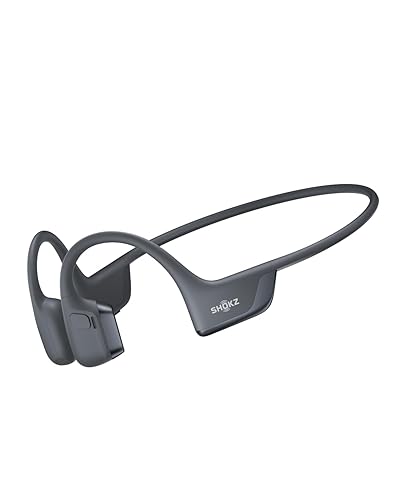 TOP CHOICEBest for serious trainingSHOKZ OpenRun Pro 2 Bone Conduction Bluetooth Sport HeadphonesView on Amazon
- 3
 TOP CHOICEBest for everyday commutingRaycon Bone Conduction Headphones – Open Ear Running Headphones & Bluetooth EarbudsView on Amazon
- 4
 Best budget pickBone Conduction Headphones, Wireless Bluetooth Open-Ear Sports Headphones with MicView on Amazon
- 5
 Best for lightweight useSHOKZ OpenMove Bluetooth Bone Conduction Sports Headphones – SS23 – GreyView on Amazon
- 6
 Best for music loversOtium Bone Conduction Headphones, 2026 Hybrid Stereo Open Ear HeadphonesView on Amazon
Our Top Picks
Quick Comparison
| Product | Best for | Key feature |
|---|---|---|
| New Bone Conduction Headphones Bluetooth 6.0 Open Ear Earbuds | Balanced all-round use | IP54 rating and Bluetooth 6.0 |
| SHOKZ OpenRun Pro 2 Bone Conduction Bluetooth Sport Headphones | Serious running and cycling | IP55 rating and 12-hour battery |
| Raycon Bone Conduction Headphones (Gray) | Commuting and daily wear | Sweat and water resistance with built-in mic |
| Bone Conduction Headphones, Wireless Bluetooth Open-Ear Sports Headphones | Budget-conscious buyers | Type-C fast charging and long battery life |
| SHOKZ OpenMove Bluetooth Bone Conduction Sports Headphones (Grey) | Light, casual wear | Lightweight open-ear design |
| Otium Bone Conduction Headphones, Hybrid Stereo Open Ear Headphones | Listening to music | Hybrid bone and air drivers with companion app |
New Bone Conduction Headphones Bluetooth 6.0 Open Ear Earbuds
New Bone Conduction Headphones Bluetooth 6.0 Open Ear Earbuds with Mic, Balanced Audio, Reduced Sound Leakage, IP54 Waterproof Secure Fit, Wireless Sports Headphones for Running, Workout & Cycling
Best for: Balanced all-round use
This pair suits people who want one set of open-ear headphones for gym sessions, walks and short calls without paying for a premium brand name. The listing emphasizes balanced audio and reduced sound leakage, which matters if you listen in a quiet office or on public transit.
Key specs
- Bluetooth 6.0 connectivity
- IP54 water and sweat resistance
- Built-in microphone
Pros
- Splash and sweat protection suitable for most workouts
- Bluetooth 6.0 is designed for more stable connections than older versions
- Secure-fit design meant for active use
Cons
- IP54 is not rated for swimming or submersion
- Bass response is lighter than what you get from some hybrid designs
Bottom line: A sensible first pair for someone who wants versatile, open-ear wear for training and everyday errands.
SHOKZ OpenRun Pro 2 Bone Conduction Bluetooth Sport Headphones
Bundle with Reflective Strip;DualPitch premium sound;Open ear awareness; Smart Mic; IP55; 12H battery; Running/Cycling/Hiking SHOKZ OpenRun Pro 2 Bone Conduction Bluetooth Sport Headphones, Black
Best for: Serious training
Runners and cyclists who train in traffic or on trails often want a pair that stays secure through long sessions and handles heavy sweat. This model is marketed around an IP55 rating and a reflective strip for low-light visibility.
Key specs
- IP55 dust and water resistance
- Up to 12 hours of battery life per the listing
- Smart microphone for calls
Pros
- IP55 rating handles rain and heavy sweat
- Long battery life for multi-hour sessions
- Reflective strip improves visibility on roads
Cons
- Premium positioning means it costs more than budget alternatives
- Not designed for swimming
Bottom line: The best fit for regular runners, cyclists and hikers who want a dependable sport-focused pair.
Raycon Bone Conduction Headphones – Open Ear Running Headphones & Bluetooth Earbuds
Raycon Bone Conduction Headphones – Open Ear Running Headphones & Bluetooth Earbuds, Sweat & Water-Resistant with Mic (Gray)
Best for: Commuting and daily wear
If you mostly use headphones on walks, errands and commutes, and want a clean look plus a usable microphone, this Raycon model fits well. Owners often describe it as comfortable for longer wear than in-ear buds.
Key specs
- Sweat and water resistance
- Built-in microphone
- Open-ear bone conduction design
Pros
- Comfortable for extended wear according to many owner reports
- Built-in mic is useful for short calls
- Good choice if you want to hear your surroundings
Cons
- Sound quality is less full than sealed earbuds
- Fit depends on head size, so trying one on first helps
Bottom line: A practical choice for commuters who value awareness of their surroundings over deep bass.
Bone Conduction Headphones, Wireless Bluetooth Open-Ear Sports Headphones with Mic
Bone Conduction Headphones, Wireless Bluetooth Open-Ear Sports Headphones with Mic, Type-C Quick Charging Long Battery Life, Waterproof Earphones for Running, Walking, Cycling, Workout, Gift
Best for: Budget-conscious buyers
For people who want to try bone conduction without committing to a premium model, this unbranded-style pair offers the core features: open-ear design, Bluetooth, a microphone and a Type-C charging port. It is a reasonable entry point for light workouts and walking.
Key specs
- Type-C quick charging
- Waterproof rating for sweat and light rain
- Built-in microphone
Pros
- Type-C charging is convenient and widely compatible
- Covers the essential features for active use
- Good starting point for first-time buyers
Cons
- Less detailed brand documentation than established makers
- Build and long-term durability may vary by unit
Bottom line: A workable budget pick for light, occasional use; heavier training may justify a stronger brand.
SHOKZ OpenMove Bluetooth Bone Conduction Sports Headphones – SS23 – Grey
SHOKZ OpenMove Bluetooth Bone Conduction Sports Headphones – SS23 – One – Grey
Best for: Light, casual wear
The OpenMove is aimed at people who want a lightweight, low-profile pair for walking, light jogging and everyday listening. It trades some of the ruggedness of higher-end sport models for comfort and a simpler design.
Key specs
- Bone conduction open-ear design
- Bluetooth wireless connection
- Sport-oriented build
Pros
- Lightweight design suits all-day casual wear
- Established brand with a long track record in bone conduction
- Simple controls that are easy to learn
Cons
- Lower water resistance than the newest sport models
- Older generation, so newer features may be missing
Bottom line: A comfortable, familiar option for casual users who do not need the highest durability ratings.
Otium Bone Conduction Headphones, 2026 Hybrid Stereo Open Ear Headphones
Hybrid Bone & Air Drivers Open Ear Earbuds, Bluetooth 6.0, AI Music App, 12H Playtime, IPX6 Waterproof, Running Headphones Otium Bone Conduction Headphones, 2026 Hybrid Stereo Open Ear Headphones
Best for: Music lovers
This hybrid design combines bone and air conduction drivers, aiming for fuller sound than bone conduction alone. It is a good match for listeners who care more about music quality and want a companion app for adjustments.
Key specs
- Hybrid bone and air drivers
- IPX6 waterproof rating
- Bluetooth 6.0 with a companion app
Pros
- Hybrid drivers can deliver fuller sound than pure bone conduction
- IPX6 rating handles heavy sweat and rain well
- App support allows for sound adjustments
Cons
- Hybrid designs can feel heavier than standard models
- Some app features depend on firmware updates
Bottom line: The strongest choice here if audio quality and app control matter more than the lightest possible fit.
Buying Guide
Fit and Comfort
Bone conduction headphones rest on the cheekbones just in front of the ears, so the band tension and contact points matter more than ear-tip size. Measure the circumference of your head just above the ears and compare it to the band’s stated range where the manufacturer lists it. Look for adjustable or flexible bands and check whether the transducers sit firmly without pinching. Many owners report that a snug fit improves bass response noticeably.
Good picks for this: SHOKZ OpenRun Pro 2, SHOKZ OpenMove
Water and Sweat Resistance
The IP rating system tells you how much protection to expect. The first digit covers dust and the second covers water. IP54 handles splashes and sweat, IP55 adds protection against low-pressure water jets, and IPX6 covers strong jets of water. None of these ratings equals swimming-level protection, so check the listing before using a pair in a pool or open water.
Good picks for this: Otium Bone Conduction Headphones, New Bone Conduction Headphones Bluetooth 6.0
Battery Life and Charging
Compare the battery life the manufacturer lists and remember that real-world time drops at higher volume and when Bluetooth is streaming continuously. A pair rated around 12 hours can cover a long run or a full workday on a single charge. Type-C charging is a practical standard because most laptops and phones use the same cable type.
Good picks for this: SHOKZ OpenRun Pro 2, Bone Conduction Headphones Wireless Bluetooth Open-Ear Sports Headphones
Bluetooth Version and Connection Stability
Newer Bluetooth versions generally offer better range, lower power use and more stable connections. Bluetooth 6.0 is listed on several current models. A stable link matters most when you walk or run with your phone in a pocket or armband, because body blocking can cause dropouts.
Good picks for this: New Bone Conduction Headphones Bluetooth 6.0, Otium Bone Conduction Headphones
Microphone Quality
If you take calls, look for a built-in microphone and check whether the listing mentions noise reduction. Bone conduction designs can pick up your voice through the cheekbones, which some users find clearer in windy conditions than standard earbud mics. Test a call in a quiet room before relying on it in traffic.
Good picks for this: Raycon Bone Conduction Headphones, SHOKZ OpenRun Pro 2
Sound Quality and Volume
Bone conduction carries less bass than sealed earbuds because the sound reaches the inner ear through bone rather than a sealed canal. Hybrid designs that add an air-conduction driver can fill in the low end. If you mainly listen to podcasts or audiobooks, pure bone conduction is usually adequate. Keep volume at a moderate level and take listening breaks, since high volume is a concern with any headphone type.
Good picks for this: Otium Bone Conduction Headphones, SHOKZ OpenMove
Weight and Use Case
Match the design to where you will wear the headphones. Heavier models with larger battery packs suit long training sessions, while lighter models feel better for casual walks and all-day wear. A quick check: if you forget you are wearing them after 20 minutes, the weight is likely right for you.
Good picks for this: SHOKZ OpenMove, Raycon Bone Conduction Headphones
FAQ
Are bluetooth bone conduction headphones safe to use every day?
Most manufacturers position bone conduction as an open-ear design that lets you hear ambient sound. Moderate volume and regular breaks are the standard guidance for any headphone type. If you have hearing concerns or ear pain, consult an audiologist or doctor before extended use.
Do bone conduction headphones work for swimming?
Most listed models carry splash or sweat ratings, not submersion ratings. Check the specific IP rating and the manufacturer’s instructions. Products designed explicitly for swimming are a separate category.
How do bone conduction headphones compare with open-ear earbuds?
Bone conduction sends sound through the cheekbones and leaves the ear canal open. Open-ear earbuds usually sit near the canal without sealing it and deliver sound through air. Bone conduction tends to keep the ear canal fully unobstructed, while open-ear earbuds often provide slightly fuller sound.
Will bluetooth bone conduction headphones fit under a hat or helmet?
Many people wear them under caps and some cycling helmets, but fit varies. Check whether the band still sits on the cheekbones with a helmet on before a ride, and make sure nothing interferes with helmet straps or fit.
What should I check before buying?
Confirm the IP rating for your activity, the Bluetooth version, the battery life you need and whether a built-in mic matters. Also read the return policy and try the headphones on if you can, because fit is the most common reason for returns.
How long do the batteries last?
Listed battery life assumes moderate volume and continuous Bluetooth use. Expect less at high volume or in cold weather. Charging with the included cable and avoiding deep discharges generally helps battery health over time.
Conclusion
For balanced everyday use, the New Bone Conduction Headphones Bluetooth 6.0 is a sensible starting point. Serious runners and cyclists will likely prefer the SHOKZ OpenRun Pro 2 for its sport-focused rating and battery life. The Raycon model suits commuters, the budget Wireless Bluetooth Open-Ear pair works for light use, the SHOKZ OpenMove fits casual wear, and the Otium hybrid design is the best match for listeners who prioritize sound. Match the pick to your activity, check the IP rating against your conditions, and confirm fit before committing.
Sources
- Information on hearing health, noise exposure and safe listening habits (nidcd.nih.gov)
- Guidance on noise-induced hearing loss and prevention (cdc.gov)
- Background on Bluetooth versions and connection standards
Related reading
- Top 7 Bone Conduction Open-Ear Headphones Compared for Every Need
- Raycon Bone Conduction Headphones: Fit, Features and How to Choose
- Raycon Bone Conduction Headphones Charger: 6 Best Replacement Cables of 2026
- Openear Bone Conduction Headphones: A Step-by-Step Buyer's Guide
About Ethan Brooks
Ethan Brooks is part of our editorial team and reviews and edits our headphone tech & types guides, checking product details against manufacturer specifications and owner feedback.