By Lucy Langley
Updated November 2026
Waterproof earbuds for swimmers need to do three things well: seal out water at the pool, stay secure while you turn your head to breathe, and play music or podcasts without a phone nearby. This list compares six models that manufacturers position for swimming, with a focus on the criteria that matter most in the water: IP rating, onboard storage, fit and retention, battery life, and how the audio reaches your ears. Each pick is described from its listing and common owner feedback patterns, not from personal testing.
Our top picks at a glance
- 1
 TOP CHOICEBest overallIPX8 Waterproof Earbuds for Swimming, Open Ear Earbuds With 32GB MP3 ModeView on Amazon
- 2
 TOP CHOICEBest for open-ear comfortOpen Ear Earbuds with 32GB Memory, Switch to MP3 Mode Underwater, AI Music GenerationView on Amazon
- 3
 TOP CHOICEBest for noise isolationBeatH2O S36 Underwater Headphones, Noise-Cancelling Secure In-Ear FitView on Amazon
- 4
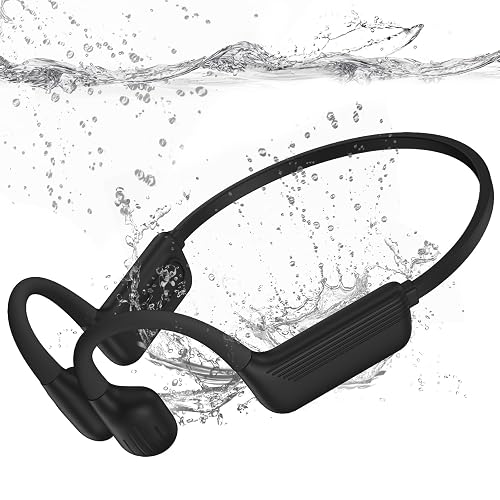 Best for long battery lifeBluetooth 6.0 Swimming Headphones, Bone Conduction, IP68 WaterproofView on Amazon
- 5
 Best budget pickWaterproof Earbuds for Swimming with MP3 Mode 32GBView on Amazon
- 6
 Best for running and surfingANSTEN Swimming Headphones Bluetooth 6.0 Bone Conduction, IPX8 WaterproofView on Amazon
Our Top Picks
Start with the table, then read the individual sections for the details that matter to you.
| Product | Best for | Key feature |
|---|---|---|
| IPX8 Waterproof Earbuds for Swimming, Open Ear Earbuds With 32GB MP3 Mode | Overall use in pool and open water | 32GB storage with MP3 mode underwater |
| Open Ear Earbuds with 32GB Memory, AI Music Generation | Open-ear comfort | Open-ear design with 8-hour playtime listing |
| BeatH2O S36 Underwater Headphones | Noise isolation and a secure fit | Bluetooth 5.4 with 8GB memory |
| Bone Conduction Swimming Headphones, IP68 Waterproof | Long battery life | Bluetooth 6.0 with 32GB memory |
| Waterproof Earbuds for Swimming with MP3 Mode 32GB | Budget-conscious swimmers | IPX8 rating with MP3 mode |
| ANSTEN Swimming Headphones Bluetooth 6.0 | Running, surfing and cycling as well as swimming | IPX8 rating with 8GB memory |
IPX8 Waterproof Earbuds for Swimming, Open Ear Earbuds With 32GB MP3 Mode
IPX8 Waterproof Earbuds for Swimming, Open Ear Earbuds With 32GB MP3 Mode,8H Playtime Bluetooth 5.4 for Running Bone Conduction Headphones for Swimming, Waterproof Swimming Headphones
Best for: Overall use in pool and open water
This is a good match for swimmers who want one pair for lap sessions, workouts on land and open-water practice. Its open-ear design keeps your ear canal free, which many swimmers prefer for awareness of their surroundings.
Key specs
- IPX8 waterproof rating, as stated in the listing
- 32GB onboard memory with MP3 mode for playback without a phone
- Bluetooth connectivity for use on land
Pros
- Onboard storage lets you listen in the water without a connected device
- Open-ear design reduces the sealed-canal feeling during long sessions
- Listing positions it for swimming, running and general workouts
Cons
- Open-ear designs leak less sound in quiet pools but offer little passive isolation
- Fit can vary between swimmers, so check the included ear hooks or tips
Bottom line: A strong first choice for swimmers who want versatility across pool and land workouts.
Open Ear Earbuds with 32GB Memory, Switch to MP3 Mode Underwater, AI Music Generation
Open Ear Earbuds with 32GB Memory, Switch to MP3 Mode Underwater, AI Music Generation, 8H Playtime Bluetooth 6.0 for Running PSIER Bone Conduction Headphones, IPX8 Waterproof Swimming Headphones
Best for: Open-ear comfort
Swimmers who find sealed earbuds uncomfortable or who want to hear the pool environment, such as lifeguard whistles, will likely prefer this open-ear style.
Key specs
- 32GB memory with MP3 mode underwater
- Bluetooth 6.0 connectivity as listed
- IPX8 waterproof rating as listed
Pros
- Open-ear fit keeps the ear canal clear
- Onboard memory supports swimming without a phone
- Bluetooth 6.0 may help with stable connections on land
Cons
- Open-ear designs provide little isolation from pool noise
- Owners often mention that secure fit depends on how the hooks sit behind the ear
Bottom line: Best for swimmers who prioritize awareness and comfort over sound isolation.
BeatH2O S36 Underwater Headphones, Noise-Cancelling Secure In-Ear Fit
Clear Sound & Noise-Cancelling, Secure In-Ear Fit MP3 Player & Bluetooth 5.4 , 8GB Underwater Headphones for Swimming Running IPX8 Waterproof Swimming Earbuds, BeatH2O S36 Headphones Bone Conduction
Best for: Noise isolation and a secure fit
This model is aimed at swimmers who want the sound to feel fuller and who need the earpiece to stay put during flip turns and freestyle breathing.
Key specs
- Bluetooth 5.4 connectivity as listed
- 8GB memory with MP3 playback
- IPX8 waterproof rating as listed
Pros
- In-ear fit tends to block more pool noise than open-ear designs
- Listing emphasizes a secure fit for active movement
- Works for running and cycling as well as swimming
Cons
- Smaller 8GB memory holds fewer songs than 32GB models
- Sealed canals can feel warm during long workouts
Bottom line: A good pick for swimmers who want stronger isolation and a firm fit.
Bluetooth 6.0 Swimming Headphones, Bone Conduction, IP68 Waterproof
Bluetooth6.0, 32GB Memory,Soft Liquid Silicone,24g No Burden,Open Ear Enhanced Surround‑Awareness, Running,Lap Pool Swimming Bone Conduction Swimming Headphones,IP68 Waterproof Underwater Swim Earbuds
Best for: Long battery life
Swimmers who train for long sessions or who want to keep the earpieces on for extended laps will appreciate the battery focus in the listing.
Key specs
- Bluetooth 6.0 connectivity as listed
- 32GB memory with MP3 mode
- IP68 waterproof rating as listed
- Lightweight design, listed at 24 grams
Pros
- Large onboard memory supports extended listening
- IP68 rating suggests suitability for submersion beyond typical splash resistance
- Soft silicone construction is designed for comfort
Cons
- Bone-conduction style means audio is transmitted through the cheekbone, which some swimmers find less immersive
- Battery claims vary by use, so verify runtime in your own sessions
Bottom line: A solid option for swimmers who value endurance and a light, comfortable fit.
Waterproof Earbuds for Swimming with MP3 Mode 32GB
Waterproof Earbuds for Swimming ,Open Ear Earphones with MP3 Mode 32GB,8H Play Bluetooth 5.4 Ear Buds Secure Fit for Running Swimming Headphones Bone Conduction Headphones Bluetooth IPX8 Waterproof
Best for: Budget-conscious swimmers
This is a practical choice for swimmers who want waterproof audio with onboard storage without paying for premium features they may not use.
Key specs
- IPX8 waterproof rating as listed
- 32GB memory with MP3 mode
- Bluetooth 5.4 connectivity as listed
Pros
- Onboard storage covers basic underwater listening needs
- Bluetooth 5.4 handles everyday pairing on land
- Secure-fit design is emphasized in the listing
Cons
- Budget models may have less refined sound than premium options
- Owners often recommend trying different ear tips for the best seal
Bottom line: Good for swimmers who want core features at a lower-cost tier.
ANSTEN Swimming Headphones Bluetooth 6.0 Bone Conduction, IPX8 Waterproof
ANSTEN Swimming Headphones Bluetooth 6.0 Bone Conduction Headphones, IPX8 Waterproof Earbuds with MP3 Mode 8GB Memory Open Ear Earphones, Underwater Headphones for Swimming Running Surfing Cycling
Best for: Running, surfing and cycling as well as swimming
Multi-sport users who want one device for pool laps, outdoor runs and water sports will find this model’s broader use case appealing.
Key specs
- Bluetooth 6.0 connectivity as listed
- 8GB memory with MP3 mode
- IPX8 waterproof rating as listed
Pros
- Listing covers swimming, running, surfing and cycling
- Bluetooth 6.0 is listed for stable connections
- IPX8 rating is designed for immersion
Cons
- 8GB memory holds fewer tracks than 32GB options
- Bone-conduction designs may sound thinner in noisy environments
Bottom line: The right choice for swimmers who train across several sports.
Buying Guide
Waterproof rating (IP and IPX)
The IP code tells you how well a device resists solids and liquids. The first digit covers dust, and the second covers water. IPX8 means the manufacturer rates the device for continuous immersion beyond 1 meter, as specified by the maker, while IP68 is typically used for dust-tight and submersible designs. Check the depth and duration in the spec sheet rather than assuming all ratings are equal.
Good picks for this: IPX8 Waterproof Earbuds for Swimming and BeatH2O S36 Underwater Headphones
Onboard memory and MP3 mode
Bluetooth signals do not travel well through water, so most swimmers rely on onboard storage. A 32GB model can hold thousands of songs, while 8GB models hold far fewer. MP3 mode lets you load playlists in advance and listen without a phone. Consider how many hours of audio you want per session before you choose a capacity.
Good picks for this: Waterproof Earbuds for Swimming with MP3 Mode 32GB and Bluetooth 6.0 Swimming Headphones
Open-ear versus in-ear and bone conduction designs
Open-ear and bone-conduction designs leave the ear canal open, so you can hear the pool and surroundings. In-ear designs seal the canal, which can improve isolation and bass response but may feel tight after long sessions. Choose based on whether you prioritize awareness or immersion.
Good picks for this: Open Ear Earbuds with 32GB Memory and ANSTEN Swimming Headphones
Fit and retention
A secure fit is essential for swimming because the earpieces must survive head movement and water flow. Look for ear hooks, wing tips, or fins, and test different tip sizes before you swim. A seal that feels snug on dry land may loosen once wet, so re-check the fit after a few laps.
Good picks for this: BeatH2O S36 Underwater Headphones and Waterproof Earbuds for Swimming with MP3 Mode 32GB
Battery life and charging
Battery life listings are usually measured under specific conditions, so real-world runtime may be shorter, especially with MP3 playback at higher volumes. Check the rated hours in the listing and plan for a charge after each session. Make sure you know how the case or cable keeps the charging port dry.
Good picks for this: Bluetooth 6.0 Swimming Headphones and Open Ear Earbuds with 32GB Memory
Bluetooth version and connectivity on land
Bluetooth is mainly useful on land for pairing with a phone, changing tracks or taking calls. Newer Bluetooth versions are listed for improved range and stability, but you do not need the newest standard for swimming itself. Focus on reliable pairing with the devices you use most.
Good picks for this: IPX8 Waterproof Earbuds for Swimming and ANSTEN Swimming Headphones
Care and drying after use
Rinse your earbuds with fresh water after pool or open-water use, especially if you swim in chlorinated or salt water. Shake out trapped water, dry the ports, and let the device air-dry before charging. Avoid inserting cotton swabs or sharp objects into charging contacts, and follow the manufacturer’s care instructions.
Good picks for this: Bluetooth 6.0 Swimming Headphones and BeatH2O S36 Underwater Headphones
FAQ
Can I use regular Bluetooth earbuds in the pool?
Standard earbuds are rarely rated for submersion. Swimming earbuds are designed with specific waterproof ratings and often include onboard storage, because Bluetooth signals struggle to pass through water.
What IP rating do I need for swimming?
Look for IPX8 or IP68 ratings, since they indicate protection against continuous immersion. Check the manufacturer’s stated depth and time limits for your intended use.
Is bone conduction better than in-ear for swimming?
Neither is better for everyone. Bone-conduction designs keep your ears open and help you hear your surroundings, while in-ear designs usually block more noise and feel more immersive.
How much memory do I need for swimming?
A 32GB model can hold thousands of songs, while 8GB holds a smaller library. If you plan long sessions, choose higher storage and load your playlists before you enter the water.
Can I listen to music while swimming laps?
Yes, if the model includes onboard MP3 mode. Load your music before you swim, because Bluetooth connections do not work reliably underwater.
How do I keep my swimming earbuds from falling out?
Try different ear tips or hooks, and test the fit on dry land before swimming. Re-check the fit after a few laps, since water and movement can loosen the seal.
How should I clean and dry swimming earbuds?
Rinse them in fresh water after use, shake out trapped water, and air-dry the ports before charging. If you have questions about water damage or warranty coverage, contact the manufacturer or a qualified repair service.
Conclusion
For most swimmers who want one pair for pool and open-water sessions, the open-ear IPX8 model with 32GB memory is a versatile starting point. Choose an open-ear design if you want to hear your surroundings, a sealed in-ear model if you want stronger isolation, and a budget or multi-sport option if you train across several activities. Verify the IP rating, storage and fit against your own swimming habits before you buy.
Sources
- Guidance on water safety and recreational water use, including swimming environment considerations (cdc.gov)
- Research on hearing health and safe listening volumes, relevant to in-ear and open-ear use (nih.gov)
- Background on the IP Code standard and how ingress protection ratings are defined
Related reading
- Waterproof Earbuds for Swimming: 6 Best Picks Compared (2026)
- Swimbuds Sport Waterproof Earbuds: Setup, Fit, and Use Guide (2026)
- 7 Best Waterproof Earbuds for Shower Use in 2026
- 7 Best True Wireless Earbuds Waterproofs for Workouts and Travel (2026)

About Lucy Langley
Lucy has been writing about headphone tech & types for this site, with an eye on clear explanations, honest trade-offs and options for different needs and budgets.