 By Ethan Brooks
Updated November 2026
The beats powerbeats fit wireless workout earbuds are built around a hook-and-wing design meant to hold position during running, lifting and high-intensity sessions. This guide explains what that design does, how to judge whether it will fit your ears, and how to set up and care for the earbuds so they stay secure and last through regular training. By the end, you should be able to decide whether this style suits your workouts and how to get the most from it.
What the Powerbeats Fit Design Actually Does
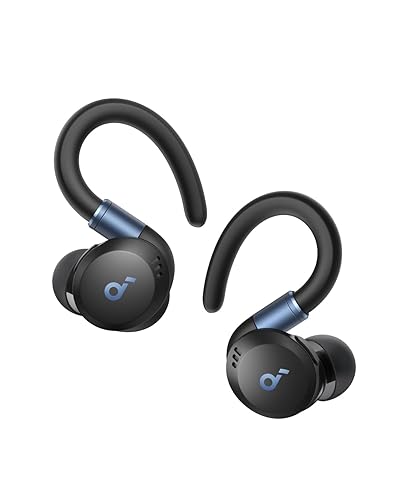
Most sport earbuds use one of three retention methods: a silicone tip that seals in the ear canal, a fin or wing that rests in the outer ear, or a hook that wraps over the top of the ear. The Powerbeats Fit line combines a flexible ear hook with a tip, so the earbud is supported both in the canal and at the outer rim of the ear. This matters when you move quickly, because the weight of the bud is spread across two contact points instead of one.
Shopping for one? See our guide: 5 Best Wireless Earbuds Waterproofs for Workouts and Running (2026).
Manufacturers generally describe this style as suited to running, gym work and cycling. The trade-off is that the hook adds a little bulk, and some people find it less comfortable for all-day wear than a slim in-ear design. If you plan to wear earbuds for long commutes or office calls, compare the hook style against lighter options before deciding. Our overview of Beats Wireless Workout Earbuds: How to Choose the Right Pair (2026) covers how the different Beats shapes compare.
Step 1: Check Whether the Shape Suits Your Ears
Ear shape varies more than most people expect. A good starting point is to look at how the hook sits behind your ear and whether the bud angles naturally into your canal. Before buying, ask yourself the following questions:
- Do you wear glasses? Thick frames can push against the hook and loosen the fit.
- Do you wear a helmet, headband or hat with a tight brim? Bulky headwear can rotate the bud out of position.
- Do you lie on your side during sleep or recovery? Hooks can press uncomfortably against the ear over time.
- Have you previously found in-ear buds fell out during running? That history is useful evidence about your ear anatomy.
If you have very small ears or a particularly shallow outer ear, the hook may not sit securely. In that case, a fin or a sport-tip design may serve you better.
Step 2: Test the Fit Before Your First Workout
Fit is the single biggest factor in whether these earbuds stay put, so take time to set them up properly. Follow this sequence:
- Choose the ear tip size that creates a light seal without pain. Most kits include several sizes, typically labeled small, medium and large.
- Slide the hook over the top of your ear first, then guide the bud into the canal with a gentle twist. Avoid forcing the bud in, since that can shift the tip out of place.
- Shake your head side to side and nod up and down. If the bud moves noticeably, try the next tip size up or down.
- Jog in place for two to three minutes. Listen for changes in sound, which often signal a loosening seal, and check whether the bud slides outward.
- Run the earbuds through a short warm-up before a full session, so you can adjust before sweat builds up.
Tip size and seal
A proper seal improves both bass response and stability. If the seal is too loose, bass sounds thin and the earbud drifts. If it is too tight, you may feel pressure in the canal after 20 to 30 minutes. Aim for the smallest tip that holds firmly when you shake your head.
Step 3: Understand the Water and Sweat Ratings
Sweat resistance is one reason people choose sport earbuds, but ratings are easy to misread. Water resistance is expressed as an IP code, where the first digit covers solid particles and the second covers liquid. A higher second digit means better protection against water. Check the official specification for the exact rating before assuming the earbuds can handle rain, pool use or heavy sweating. Manufacturers specify what their testing covers, and that testing does not mean the product is designed for swimming or submersion.
For a deeper look at what those codes mean in practice, read Are Beats Wireless Earbuds Waterproof? IP Ratings Explained for Buyers.
Step 4: Set Up Controls and Audio Settings
Once the fit is right, configure the controls so you can adjust without pulling the earbuds out during a set. Pair the earbuds through your phone’s Bluetooth menu, then open the companion app if one is available for your model. In most cases you can:
- Assign press or tap actions for play, pause, skip and volume.
- Adjust equalizer presets, which is useful if you find bass too heavy during running.
- Enable or disable transparency or noise control, depending on whether you need to hear traffic outdoors.
- Check battery levels and update firmware when prompted.
Firmware updates sometimes improve connection stability, so keep the app installed and check it every few weeks.
Step 5: Clean and Maintain the Earbuds
Sweat, skin oil and earwax build up on the tips and hooks, and that buildup reduces grip. Wipe the earbuds after every session with a dry microfiber cloth. Remove the tips and rinse them with lukewarm water and mild soap if they feel sticky, then let them air-dry fully before reattaching. Avoid pressurized air or sharp tools near the speaker mesh, since they can push debris deeper inside.
Common Mistakes to Avoid
- Using the largest tip by default. Oversized tips can feel secure at first but cause fatigue and pressure during long sessions.
- Ignoring the hook position. If the hook sits too high or too low, the bud will tilt and slip.
- Storing the case in a hot car. Heat can degrade battery performance over time.
- Assuming full waterproofing. Sweat resistance is not the same as swim-safe protection.
- Skipping firmware updates. Connection issues are often fixed through updates rather than hardware changes.
Tips for Better Performance During Workouts
- Wear a thin sweatband or headband if you sweat heavily around the ears, since it reduces moisture reaching the bud.
- Carry the charging case during longer trips so you are not caught with low battery mid-session.
- Re-seat the earbuds after your warm-up, because movement early in a workout can shift them slightly.
- Keep the phone close to your body during runs, since Bluetooth signals can drop when the phone is on the far side of you.
Recommended gear
A few accessories can make the fit more secure and the earbuds easier to maintain.
- Sweat-resistant headband — absorbs moisture around the ears, which reduces slippage caused by sweat on the hook. View on Amazon
- Microfiber cleaning cloths — remove sweat and oil from the speaker mesh and hooks without scratching the finish. View on Amazon
- Replacement ear tip kit — lets you test multiple sizes if the factory tips do not seal well in your ears. View on Amazon
FAQ
Are the Powerbeats Fit earbuds good for running?
Many owners use them for running because the hook helps hold the bud in place during repeated impact. Fit still depends on your ear shape, so test them with a short jog before committing to long runs.
Do the hooks hurt after long wear?
Some people feel pressure over the top of the ear after an hour or more. Adjusting the hook angle and trying a different tip size often reduces discomfort. If pain persists, consider a lighter style.
How do I know which tip size to use?
Choose the smallest tip that holds a firm seal when you shake your head and jog gently. A tip that creates pressure or pain is too large.
Can I use these earbuds while swimming?
Sweat resistance is not the same as swim protection. Check the manufacturer’s IP rating and instructions before exposing the earbuds to pools or open water, and follow their guidance on submersion.
Why does the sound cut out during workouts?
Bluetooth signals can drop when your phone is blocked by your body or placed far away. Keep the phone on the same side as your earbuds, and check for firmware updates that may improve connection stability.
How often should I replace the ear tips?
Replace tips when they lose flexibility, tear, or no longer seal well. Replacement kits are widely available, and the timing depends on how often you train and how you clean the tips.
Are these earbuds right for everyday use as well as workouts?
They can work for everyday listening, but the hook adds bulk that some people find less comfortable for all-day wear. If you want a lighter option for office use, compare styles before buying. For broader comparisons, see Top 5 Best Workout Earbuds for iPhone: Compared for Running and Gym (2026).
Conclusion
The beats powerbeats fit wireless workout earbuds suit people who need a secure hold during running and gym sessions. Success depends on choosing the right tip size, positioning the hook correctly and checking the fit with a short warm-up. Maintain the earbuds regularly and keep the firmware current, and they should stay reliable through your training. For guidance on comfort during long sessions, see Most Comfortable Workout Earbuds: 5 Best Picks for Long Sessions (2026).
Related reading
- Top 6 Best Waterproof Truly Wireless Earbuds for Workouts and Swimming
- Top 5 Best Waterproof Wireless Earbuds with Mic for Workouts and Swimming
- 7 Best Wireless Workout Earbuds Under $50 of 2026
- 7 Best Waterproof Wireless Bluetooth Earbuds for Workouts and Swimming (2026)
Ready to choose one?
About Ethan Brooks
Ethan Brooks is part of our editorial team and reviews and edits our headphone tech & types guides, checking product details against manufacturer specifications and owner feedback.