 By Emily Parker
The jabra elite 65t bluetooth codec question comes up a lot for anyone shopping for true wireless earbuds, and for good reason. The Jabra Elite 65t is a compact, well-regarded pair of in-ear buds built around a standard Bluetooth audio stack, so how they handle codecs determines how good your music sounds from a phone and how responsive they feel for video and games. This review is based on manufacturer specifications and the patterns owners commonly report, not on our own lab measurements. It is written for listeners who want solid everyday sound and clear calls at a moderate price, and it is less suited to people who need top-tier high-resolution streaming, the lowest possible latency for competitive gaming, or the widest range of wireless audio extras.
Product Overview
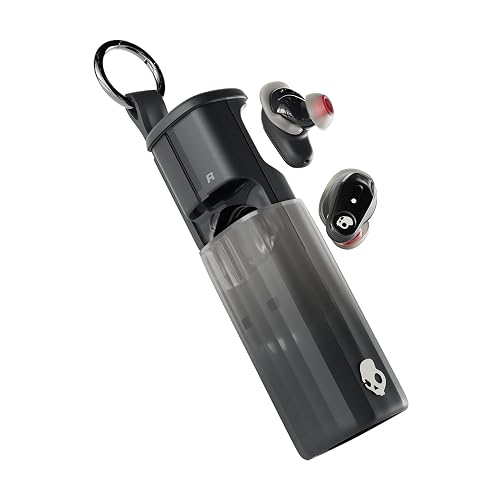
The Jabra Elite 65t is a true wireless earbud model from Jabra, a brand known for business headsets and consumer audio. It uses a small, lightweight housing with an in-ear fit and an optional stability design that many owners find secure during workouts and commutes. Each bud operates on its own, and the case recharges them and extends total playback time. The product sits in the mainstream segment of the market, so it is positioned as a budget pick or a value-focused option rather than a flagship.
From a codec standpoint, the earbuds rely on the Bluetooth audio profiles most phones support by default. In practice, that means SBC is the baseline, and AAC is the most relevant upgrade for iPhone users. Android devices vary by manufacturer and model. If you want a refresher on what these formats do, Bluetooth Codecs Explained: SBC, AAC, aptX, LDAC, LC3 covers the differences in plain terms.
Key Features & Specifications
The table below lists specifications that Jabra publishes or that are widely documented for this model. Confirm current details on the manufacturer’s site before buying, since firmware updates and revisions can change behavior.
| Feature | What It Means |
|---|---|
| Form factor | True wireless, in-ear with a compact charging case |
| Bluetooth connectivity | Standard Bluetooth audio with multipoint-style pairing for two devices |
| Audio codecs | SBC as the universal baseline; AAC support on compatible devices |
| Active noise cancellation | Not a flagship ANC design; passive isolation from the in-ear fit does most of the work |
| Microphones | Multiple mics with beamforming for call clarity |
| Water and sweat resistance | Rated for sweat and light rain, intended for workouts rather than submersion |
| Controls | Touch or tap controls for playback, calls and voice assistant access, configurable in the companion app |
| Battery life | Several hours per charge with additional cycles from the case |
The most important spec for this article’s focus is the codec support. Because the earbuds use the common Bluetooth audio stack, you will not get aptX or LDAC unless the buds themselves advertise them, and this model is not positioned around those high-bitrate options. In everyday use, your phone chooses the codec both devices can negotiate, so the result depends heavily on your source device.
Pros & Cons
Pros
- Compact, lightweight design that owners often describe as comfortable for long listening sessions.
- Clear voice pickup on calls, which is a common strength of Jabra products.
- Broad compatibility because SBC works with nearly every Bluetooth source.
- AAC support gives iPhone users a noticeable step up from the baseline codec.
- Useful controls and companion app options for customizing gestures.
- Practical sweat resistance for gym and outdoor use.
Cons
- No advanced high-resolution codec like LDAC on the spec sheet, which limits gains for Android users with capable phones.
- Noise isolation depends mainly on fit, so commuters in loud environments may want stronger active cancellation.
- Latency is adequate for video but may feel slightly behind for fast-paced mobile gaming.
- App-based customization can be less consistent across platforms.
Performance Analysis
Codec performance is where many buyers get confused, so it helps to separate what the earbuds can do from what your phone will actually use. When both devices support AAC, an iPhone and these earbuds typically negotiate AAC, which tends to sound smoother than SBC at the same nominal bitrate. On Android, the phone may select aptX, LDAC or SBC depending on the manufacturer and the earbud’s advertised support. Owners commonly report that the codec shown in developer options or the phone’s Bluetooth menu is the best place to confirm what is active.
For sound quality, the in-ear tuning is generally described as balanced with a moderate bass emphasis. Pairing the earbuds with AAC or a good SBC implementation produces clean mids and controlled highs, though listeners who prefer a wide soundstage or detailed treble may find the presentation a little conservative. Because the codec ceiling is set by the Bluetooth standard in use, the difference between a well-encoded SBC stream and AAC is audible on some tracks but not dramatic on others. Source quality, streaming bitrate and fit matter as much as the codec label.
Latency deserves a mention. Typical Bluetooth audio latency is acceptable for music and most video, but noticeable for rhythm games or fast-cut shorts. Owners often report that the phone’s game mode or a low-latency setting helps when available. Call quality is one of the stronger areas, with owners frequently praising voice clarity in moderate wind and typical office noise. Battery life is adequate for a full day of mixed use with the case, though heavy ANC-style use is not a factor here since the model is not built around that feature.
Consult a professional audiologist if you experience ear discomfort or hearing changes after extended use at high volumes. Keep listening levels moderate, and take breaks during long sessions.
Who Should Buy This Product?
The Jabra Elite 65t makes the most sense for listeners who want a comfortable, secure, everyday pair of earbuds that handle calls well and pair easily with iPhones and Android phones alike. Gym-goers and commuters who value a small case and sweat resistance will find it practical. Remote workers who spend hours on calls may appreciate the microphone performance more than the audio tuning.
You should skip these earbuds if you need strong active noise cancellation for loud flights or open offices, if you want high-resolution wireless audio through LDAC or aptX Adaptive, or if you play competitive games that depend on very low latency. In those cases, Headphone Technology Explained: ANC, Codecs, Spatial Audio will help you decide which features matter most for your use.
Buying Guide
Before you buy any true wireless earbud, check three things: your phone’s supported codecs, how you plan to use the earbuds, and whether the fit is comfortable over time. Phone compatibility matters most. Look up your device’s Bluetooth codec support, which is often listed in the manufacturer’s specifications or developer documentation. For wireless connection basics, Headphone Connectivity: Bluetooth, LE Audio and Wired explains pairing, multipoint and the newer LE Audio standard.
Fit comes next. Try different ear tip sizes, and if the earbuds include a stability wing or fin, check that it sits securely during movement. A poor seal reduces both bass and isolation, which can make any codec sound worse. Finally, consider whether you need extras like active noise cancellation, a companion app or a specific voice assistant integration.
If the Jabra Elite 65t does not fit your needs, these well-known alternatives are worth comparing:
- Sony WF-1000XM5: A premium option with strong active noise cancellation and support for LDAC on compatible Android phones. View on Amazon
- Apple AirPods Pro (2nd generation): A strong choice for iPhone users, with AAC support, adaptive noise control and tight ecosystem integration. View on Amazon
- Samsung Galaxy Buds2 Pro: A solid pick for Galaxy phone owners, with support for higher-bitrate codecs on compatible devices and active noise cancellation. View on Amazon
For a broader look at mid-range over-ear options that handle music and calls well, see 9 Best What's a Good Mid-range Over-ear Bluetooth Headphone That Works Wells for Both Music and Video Calls (2026): Expert Picks.
FAQ
Does the Jabra Elite 65t support aptX?
Support depends on the specific model revision and firmware. Check the manufacturer’s current specification sheet before assuming aptX is available, because the codec list is what determines the result.
Which codec will my iPhone use with these earbuds?
iPhones use AAC when the connected device supports it, and this model is generally documented as compatible with AAC. You can confirm the active connection in the phone’s Bluetooth settings or a diagnostic tool.
Is there a noticeable difference between SBC and AAC?
Many listeners hear a difference on well-recorded tracks, with AAC often sounding smoother. On compressed streams or in noisy environments, the difference is harder to notice.
Will these earbuds work with Android phones?
Yes. They use standard Bluetooth audio, so they pair with most Android devices. The codec you get depends on the phone’s supported and selected codecs.
Are the Jabra Elite 65t good for gaming?
They are fine for casual gaming and video, but latency may feel slightly delayed in fast-paced titles. Wired or low-latency wireless options are better for competitive play.
Can I use these earbuds for calls at the office?
Owners generally report clear voice pickup, which makes them suitable for office and remote work calls, especially in quiet to moderately noisy rooms.
How do I check which codec is active?
On Android, enable developer options and look for the Bluetooth audio codec setting. On iPhone, the codec is managed by iOS and is not shown directly, so compatibility is usually the best guide.
Final Verdict
The Jabra Elite 65t is a sensible, comfortable pair of true wireless earbuds with clear calls, a practical case and broad codec compatibility through SBC and AAC. It is not built for high-resolution codec fans or for listeners who need the strongest noise cancellation, but it is a dependable everyday choice for commuters, gym users and remote workers. Check your phone’s codec support first, try the ear tips for a secure seal, and compare it against the alternatives above before you commit. You can review current availability here: View on Amazon.
Related reading
About Emily Parker
Emily Parker is part of our editorial team and reviews and edits our headphone tech & types guides, checking product details against manufacturer specifications and owner feedback.