By Ethan Brooks
Updated November 2026
Jabra earbuds can be used for some swimming, but the answer depends on the model’s IP rating and what you plan to do in the water. This guide explains how to check whether a pair of Jabra waterproof earbuds swimming use is realistic, how to read the rating, and how to avoid the mistakes that cause early failure.
Step 1: Check the IP rating before anything else
Jabra’s waterproofing is listed as an IP (Ingress Protection) rating, and the two digits matter. The first digit covers dust and solid particles. The second digit covers water. A rating of IPX4 means splash resistance, IPX7 means the earbuds can be submerged briefly in fresh water at a set depth, and IPX8 means continuous submersion beyond that, with the depth and duration set by the manufacturer. Check the product page or manual for the exact rating of your model, since ratings differ across the Jabra lineup.
Shopping for one? See our guide: 6 Best Waterproof Earbuds for Swimming in 2026: Picks Compared.
For a full breakdown by model, see Are Jabra Earbuds Waterproof? IP Ratings by Model and What They Mean.
Step 2: Match the rating to how you will swim
Use the rating to decide how much water exposure is reasonable. Manufacturers typically test under controlled conditions, so treat the rating as a ceiling, not a guarantee for every situation.
| Activity | What to look for |
|---|---|
| Showering, rain, sweaty workouts | IPX4 or higher is usually sufficient |
| Laps in a pool, shallow water | IPX7 or higher, with the manual’s depth and time limits respected |
| Open water, long sessions, diving | Check the manual; most earbuds are not designed for this |
Step 3: Prepare the earbuds before each session
- Confirm the charging case lid and the earbud seals are fully closed and undamaged.
- Dry the earbuds and the charging contacts with a soft cloth after each session.
- Remove the earbuds and rinse them in fresh water if they were exposed to chlorine or salt water.
- Let them air-dry with the case open for several hours before charging.
Step 4: Understand what the earbuds can and cannot do in the pool
Waterproofing protects the electronics, but it does not make the earbuds stay in your ears. Many swimmers find that fit loosens as the seals absorb water and as you turn your head. Bluetooth signal also drops quickly underwater, so the audio you hear mid-lap may cut out. Most swimmers use earbuds poolside or during dry breaks, not while actively swimming.
Common mistakes
- Assuming any waterproof rating covers swimming without reading the manual’s limits.
- Charging the earbuds while they are still wet, which can corrode contacts.
- Skipping the rinse after chlorinated or salt water.
- Expecting reliable audio while submerged, since Bluetooth does not travel well through water.
- Testing the earbuds in deep water to see how they perform, which can void warranty coverage.
Recommended gear
- A soft microfiber cloth helps dry the earbuds and case without scratching the surface, and it works well for wiping chlorine residue. View on Amazon
- A small dry bag or waterproof pouch keeps the case dry when you carry it to and from the pool. View on Amazon
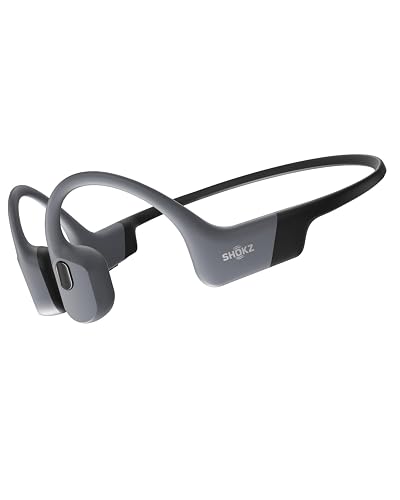
- A pair of swim-specific bone-conduction headphones can be a better choice if you want audio while your ears stay open, though they are a different product type. View on Amazon
FAQ
Can I wear Jabra earbuds while swimming laps?
Only if the model’s IP rating and manual permit submersion at the depth you reach. Even then, fit and Bluetooth audio are often unreliable in the water, so most swimmers use them outside the pool.
Do chlorine and salt water damage Jabra earbuds?
Both can corrode contacts and degrade seals over time. Rinsing with fresh water and drying thoroughly after each use reduces the risk.
Where can I confirm my model’s waterproof rating?
Check the official Jabra product page or the printed manual for your specific model. If you are unsure about warranty coverage for water exposure, contact Jabra support before testing in the water.
Conclusion
Jabra waterproof earbuds swimming use works best when you match the IP rating to your activity and follow the manufacturer’s limits. Treat the earbuds as water-resistant gear for pool breaks, rinses and workouts rather than as underwater audio devices. Read the manual before your first session.
Related reading
- Ipx7 Waterproof Earbuds for Swimming: What to Know Before You Buy (2026)
- Are There Waterproof Earbuds for Swimming? What Works and What Doesn't
- Apple Waterproof Earbuds for Swimming: What Works and What Doesn't
Ready to choose one?
About Ethan Brooks
Ethan Brooks is part of our editorial team and reviews and edits our headphone tech & types guides, checking product details against manufacturer specifications and owner feedback.