 By Ethan Brooks
Updated November 2026
Noise cancelling waterproof earbuds boat models are a practical choice for people who want to block out background noise on a train or treadmill and still rinse off sweat afterward. This guide walks through how to evaluate that combination: the water-resistance rating, the type of noise cancelling, fit and seal, battery behavior, and the features that matter most for your routine. By the end, you will know which specs to check on the box and which claims to read with a bit of caution.
Start With What You Actually Need Them For
Before comparing specs, decide where the earbuds will spend most of their time. Water resistance and noise cancelling are both useful, but they affect design choices in different ways. A pair built for running in the rain may use a sealed fit and a lighter ANC circuit, while a pair built for air travel may prioritize battery life and a more comfortable fit for long sessions.
- Gym and running: Look for a secure fit, sweat resistance, and ear hooks or fins if the earbuds tend to shift.
- Commuting: Prioritize ANC strength, call microphone quality, and a case that fits your pocket.
- Swimming or open-water activity: Water resistance matters more than ANC, and most manufacturers warn against submersion in saltwater or chlorinated pools.
- Office or study: Adaptive ANC and comfort for multi-hour wear will matter more than waterproofing.
If you are still deciding between a general-purpose pair and a sport-focused model, it helps to read a few curated lists. The roundup titled Wireless Earbuds Waterproof Noise Cancelling: 7 Best Picks (2026) shows how different models balance these features, and 6 Best Waterproof Noise Cancelling Earbuds for Workouts and Travel (2026) focuses on the activity-driven use cases.
Understand Water Resistance Ratings Before You Buy
Water resistance is usually stated as an IP (Ingress Protection) code. The first digit covers solid particles such as dust, and the second covers liquids. A rating of IPX4 means the earbuds resist splashes from any direction, which is enough for sweat and light rain. IPX5 and IPX7 step up to water jets and temporary immersion. The “X” in these codes means the dust resistance was not tested.
Manufacturers commonly specify that IPX7 earbuds can survive immersion in up to one meter of fresh water for about 30 minutes. That is a meaningful protection level, but it is not a swimming rating, and submersion can still damage seals over time. Consult the product manual before exposing any electronics to salt water, chlorine, or hot tubs. For more background, the explainer Ipx7 Waterproof Rating Earbuds: What IPX7 Means and How to Choose (2026) breaks down how these numbers are tested.
| IP Rating | What It Typically Covers | Good For |
|---|---|---|
| IPX4 | Splashes from any direction | Sweat, light rain |
| IPX5 | Low-pressure water jets | Heavy sweat, outdoor workouts |
| IPX7 | Temporary immersion in about 1 m of fresh water | Rain, accidental drops in a sink |
| IPX8 | Continuous immersion beyond 1 m (depth set by maker) | Swimming-adjacent use, read the manual |
How Noise Cancelling Works in Earbuds
Active noise cancelling uses small microphones to pick up outside sound, then generates an inverted waveform that cancels the lower-frequency hum of engines, fans, and air conditioners. It works best on steady, low-frequency noise and is much less effective against sudden sounds like voices or door slams. Most true wireless earbuds use feedforward ANC (microphones facing outward), feedback ANC (microphones facing the ear canal), or a hybrid of both.
In practice, the quality of the seal affects ANC as much as the processing does. If the tips leak air, low-frequency cancellation drops noticeably. This is one reason waterproof sport earbuds sometimes feel quieter in ANC mode than their spec sheets suggest: their fit may be different from a standard in-ear design.
Transparency and Ambient Modes
Most models offer a transparency or ambient mode that passes outside sound through the microphones. This is important for runners and cyclists who need to hear traffic. When comparing models, check whether transparency sounds natural or metallic, since some budget designs struggle with this.
Step-by-Step: Choosing the Right Pair
- Define your top use case. Pick one primary activity so you do not overpay for features you will rarely use.
- Check the IP rating. For sweat and rain, IPX4 or IPX5 is usually enough. For drops and brief immersion, look for IPX7.
- Read the ANC specs. Look for mentions of feedforward, feedback, or hybrid ANC, and whether there are adjustable levels.
- Test fit at home. Use the included tip sizes, shake your head, and do a short jog in place. If the seal breaks, try another size or a different tip style.
- Evaluate battery life for your routine. Manufacturers usually list battery life with ANC on and off. Expect shorter runtime with ANC active and a larger gap in cold weather.
- Confirm the case and charging. A case with an IP rating of its own is helpful for gym bags. Check whether it supports wireless charging if that matters to you.
- Check the Bluetooth codec and app support. If you stream from an Android phone, look for codecs such as aptX or LDAC. Companion apps often control EQ and ANC levels.
Quick Fit Checklist
- Earbuds stay in place during a full jump-and-twist routine
- ANC feels noticeably stronger with the correct tip size
- No pressure pain after 30 minutes of wear
- Transparency mode lets you hear a conversation at normal volume
- Case lid latches firmly and seals against dust
Common Mistakes to Avoid
- Assuming IPX7 means swimmable. Water resistance is tested under controlled conditions. Chlorine, salt, soap, and hot water can all degrade seals.
- Ignoring tip size. The wrong tip is the most common reason people think ANC is weak or that earbuds fall out.
- Charging a wet case. Dry the case and the charging contacts before plugging in. Moisture can cause corrosion over time.
- Expecting full silence. ANC reduces steady noise but does not eliminate speech or sudden sounds.
- Skipping firmware updates. Updates sometimes improve ANC tuning, call quality, and water-related reliability.
Tips for Getting the Most Out of Your Earbuds
Rinse your earbuds with fresh water after workouts in salty or chlorinated environments, then dry the speaker grilles with a soft cloth. Wipe the charging contacts occasionally and avoid using sharp tools to clear wax from the mesh. If you use transparency mode outdoors, keep the volume moderate so you can still hear your surroundings clearly.
For travel, a short test before a long flight helps. Sit in a quiet room, switch ANC on and off, and note how much the engine rumble drops. Then check whether the earbuds stay comfortable for the duration of your trip. If you spend most of your time at a desk instead, Noise Cancelling for Study: 6 Best Picks for Focus in 2026 covers which features matter for concentration.
Recommended gear
Some accessories make it easier to keep your earbuds sealed, clean, and charged. These are the categories worth considering.
- Replacement silicone or foam tips in multiple sizes: A better seal improves both ANC and water resistance, and a spare set is useful if tips wear out. View on Amazon
- Soft cleaning brush with a fine tip: Clears debris from speaker mesh without pushing it deeper into the grille. View on Amazon
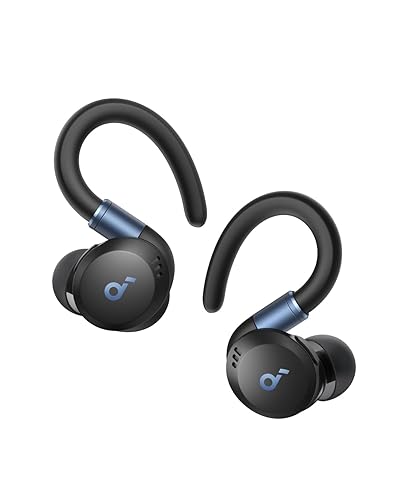
- Sweat-resistant ear hooks or wing tips: Helpful if your earbuds tend to shift during running or cycling. View on Amazon
- Small waterproof pouch for the case: Useful for gym bags and beach days, though it should not be used for submersion. View on Amazon
FAQ
Are noise cancelling waterproof earbuds boat models good for swimming?
Most are designed for sweat, rain, and brief splashes rather than swimming. Even with a high IP rating, chlorine, salt, and pressure changes can wear seals over time. Check the manufacturer’s guidance before using them in any water activity beyond rinsing.
What does IPX7 actually protect against?
IPX7 indicates the earbuds can survive temporary immersion in about one meter of fresh water for roughly 30 minutes under test conditions. It does not guarantee protection against high-pressure jets or long-term submersion.
Does active noise cancelling work well during workouts?
It works, but its effect depends on fit. ANC is strongest against steady low-frequency sounds like machinery and wind. Movement can break the seal, so a secure tip size matters more during exercise.
Why does ANC sound weaker on some earbuds than others?
Differences usually come from microphone placement, processing quality, and how well the tips seal the ear canal. A poor seal can reduce bass cancellation noticeably even if the hardware is capable.
How often should I clean my earbuds?
Wipe the outside after each workout and clean the mesh grilles every week or two, depending on how much you use them. Avoid liquids near the speaker openings and let everything air dry fully.
Will ANC drain the battery quickly?
Yes, active noise cancelling generally reduces battery life compared with normal playback. Check the manufacturer’s stated runtime with ANC on, and plan for shorter sessions in cold conditions.
Can I use these earbuds for phone calls in windy conditions?
Call quality varies. Models with beamforming microphones and wind-noise reduction tend to perform better outdoors. Test calls in a windy spot before relying on them for important conversations.
Should I see a professional about hearing concerns?
If you experience ringing, pain, or hearing changes after using earbuds at higher volumes, consult an audiologist or doctor. Keeping volume moderate and taking listening breaks can help protect your hearing.
Conclusion
The right pair of noise cancelling waterproof earbuds boat models depends on how you plan to use them. Match the IP rating to your environment, test the fit with the right tips, and read ANC and battery claims with your routine in mind. Treat water resistance as protection against sweat and accidental splashes rather than a license for swimming, and your earbuds should serve you well for years.
Related reading
- 6 Best Noise Canceling Waterproof Earbuds Compared for Workouts and Travel
- Noise Cancelling in Ear Earbuds: 5 Best Picks for Every Need (2026)
Ready to choose one?
About Ethan Brooks
Ethan Brooks is part of our editorial team and reviews and edits our headphone tech & types guides, checking product details against manufacturer specifications and owner feedback.